Statistics Canada released data this week showing that 120,640 Canadians left the country in the most recent calendar year, the highest annual total since the agency began tracking the figure in the early 2000s. The net outflow, which excludes temporary work permits and student visas, has become a focal point for policymakers who warn that a growing brain drain could strain the nation's labour market.
For comparison, the United States recorded roughly 150,000 citizens who emigrated abroad in the same period, according to the Department of State's annual "International Travel and Migration" report. While the absolute numbers are similar, Canada's population of about 38 million means its emigration rate is roughly three times higher than that of the United States, which has a population of 332 million.
Historically, Canada has been a net recipient of migrants, especially from the United States, Europe and Asia. The 2020 Census showed that more than one‑million U.S.‑born residents lived in Canada, attracted by the country's social safety net and relatively open immigration system. The current reversal reflects a confluence of fiscal, housing and health‑care pressures that have surfaced over the past decade.
One of the most cited grievances is the level of personal income tax. In 2023 the Canada Revenue Agency listed the top marginal tax brackets at 54.8 percent in Newfoundland and Labrador, 54 percent in Nova Scotia, and 53.5 percent in both British Columbia and Ontario. By contrast, the highest federal marginal rate in the United States is 37 percent, with state rates adding another 0‑13 percent in most jurisdictions.
Provincial sales taxes add another layer of cost. Canada's federal Goods and Services Tax (GST) sits at 5 percent, while provinces apply a Harmonized Sales Tax (HST) or separate Provincial Sales Tax (PST). Quebec's combined rate reaches 14.975 percent, Ontario's 13 percent, and British Columbia's 12 percent. The United States, by comparison, relies on a patchwork of state and local sales taxes that average about 7 percent nationwide.
Capital gains and inheritance are also taxed as ordinary income, albeit at reduced rates. The top capital‑gains tax in Canada can rise to 27.5 percent, compared with the United States' 20 percent long‑term capital‑gains rate. Moreover, Canada imposes a deemed‑disposition tax on assets that appreciate after death, meaning heirs may owe tax on the increase in value of inherited property, a charge that does not exist in most U.S. states.
These tax structures intersect with income trends. The International Monetary Fund's World Economic Outlook listed Canada's nominal GDP per capita at US $55,728 in 2023, well below the United States' US $90,027. Real wage growth in Canada has been modest over the last ten years, while the United States has seen a steadier rise, according to the Organisation for Economic Co‑operation and Development (OECD).
Housing affordability compounds the fiscal picture. The Canadian Real Estate Association reported an average home price of US $487,540 in 2024, compared with the U.S. median of US $410,700 from the National Association of Realtors. Canadian homes are also smaller on average, 1,948 sq ft versus 2,299 sq ft in the United States, meaning Canadians often pay more for less space.
Analysts link the price surge to sustained immigration levels. Canada admitted over 400,000 permanent residents in 2023, a record high, according to Immigration, Refugees and Citizenship Canada. The influx has boosted demand for housing, while zoning restrictions and lengthy approval processes have limited new supply, driving up prices in major markets such as Toronto and Vancouver.
Health‑care wait times have emerged as another driver of dissatisfaction. A 2025 Fraser Institute report found that Canadians waited an average of 28.6 weeks for medically necessary specialist appointments, and that the country ranked last among 14 industrialised nations for doctors per capita. The same report noted an average eight‑week wait for cardiac surgery and nearly ten months for neurosurgery.
Emergency‑room congestion adds to the strain. The Canadian Broadcasting Corporation cited a federal health‑care audit showing that 1 in 10 hospital admissions in the 2024‑2025 fiscal year involved a stay of more than 48 hours in the emergency department. The audit also highlighted that roughly 15 percent of Canadians lack a regular primary‑care physician, forcing many to rely on urgent‑care clinics for routine issues.
Canada's assisted‑dying legislation, first enacted in 2016, has generated additional public debate. Statistics Canada recorded 2,500 deaths under the Medical Assistance in Dying (MAiD) program in 2023, a figure that now exceeds the annual number of traffic fatalities, which stood at 2,200 in the same year. While supporters argue the law respects personal autonomy, critics contend that broader social pressures may influence vulnerable patients.
Security concerns have also entered the conversation. Royal Canadian Mounted Police data released in 2024 showed that 71 percent of religiously motivated hate crimes targeted Jews, translating to roughly two to three incidents per day nationwide. The National Post reported that a Jewish Canadian is 22 times more likely to be a victim of a hate crime than any other demographic, a statistic that has prompted calls for stronger hate‑crime legislation.
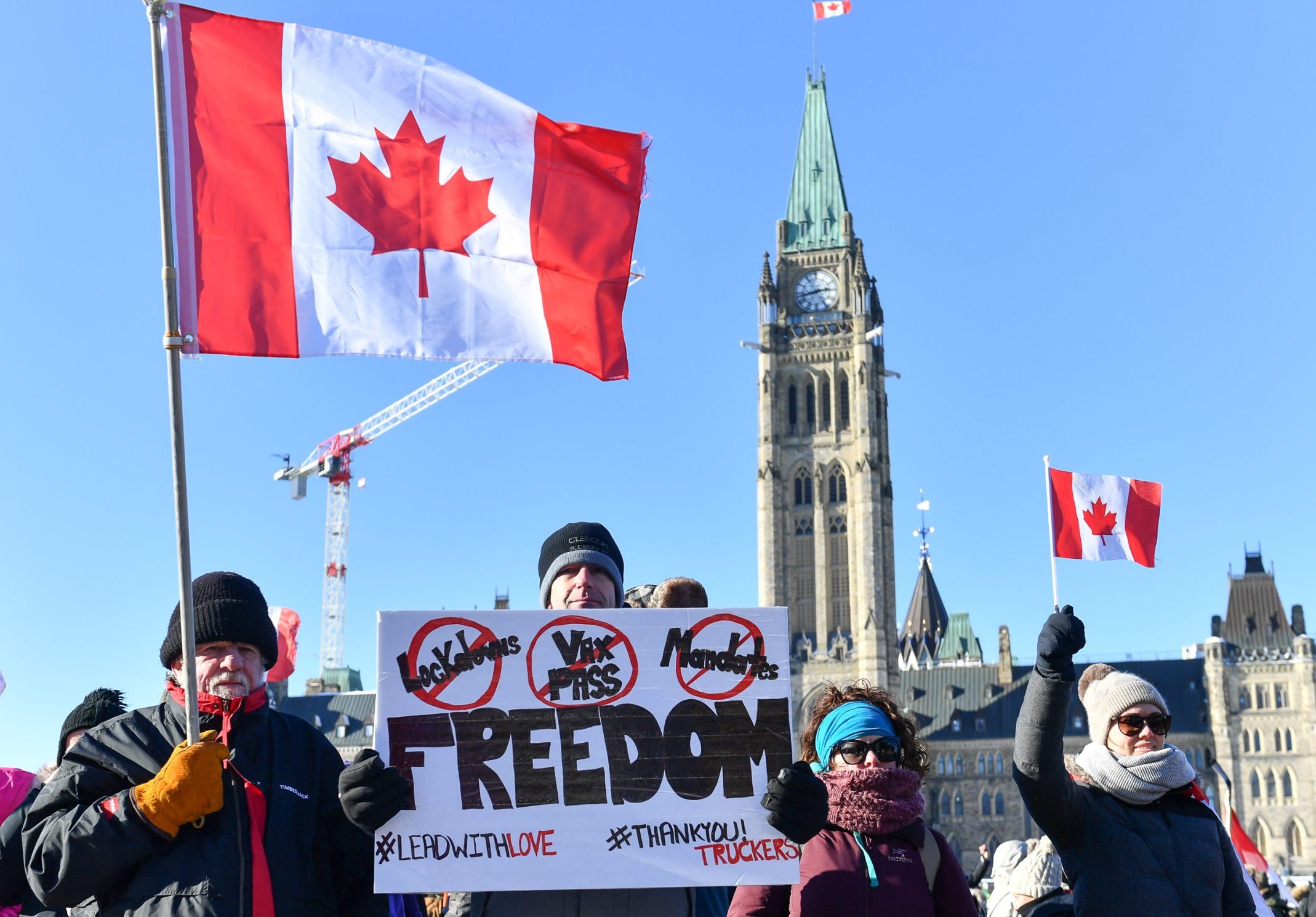
Freedom of expression has been tested in recent court cases. In September 2024, the Crown Prosecutor announced charges against two organizers of the 2022 "Freedom Convoy" protests, alleging mischief and other offences. The defendants face potential sentences of up to eight years, despite the protests being framed as a response to COVID‑19 public‑health measures. Conservative leader Pierre Poilievre criticized the prosecutions as disproportionate, arguing that they signal a broader trend of curbing dissent.
Opposition parties have seized on these issues ahead of the federal election scheduled for October 2025. The Liberal government, led by Prime Minister Justin Trudeau, has pledged to review tax brackets, accelerate housing construction and increase funding for health‑care staffing. The Conservative Party, meanwhile, has called for a reduction in the top marginal tax rate and a review of the MAiD framework.
For American observers, the Canadian outflow raises several practical considerations. The United States could see an influx of skilled professionals, particularly health‑care workers, engineers and IT specialists, who are seeking higher wages and more flexible work environments. According to the American Immigration Council, Canada has been a net source of H‑1B visa applicants for the past five years, a trend that may intensify if the current pressures persist.
Conversely, Canadian policymakers worry about the loss of talent in sectors already facing shortages. The Canadian Medical Association estimates a deficit of 60,000 physicians by 2030, a gap that could widen if more graduates choose to practice in the United States, where salaries are on average 30 percent higher after adjusting for cost of living.
Looking ahead, the federal government has commissioned a task force to examine "economic competitiveness and quality of life" indicators, with a report due in early 2026. The task force will evaluate tax reforms, housing supply measures and health‑care capacity, and it is expected to hold public hearings across the country.
Whether those recommendations translate into legislative action will likely hinge on the outcome of the 2025 election. If the Liberals retain power, they may have the political capital to push incremental reforms; a Conservative victory could bring a more aggressive tax‑cut agenda but also raise questions about funding for public services.
For now, the data points to a growing sense of discontent among Canadians who feel that high taxes, expensive homes and long health‑care waits are eroding the country's traditional appeal. As the numbers continue to climb, both sides of the border will be watching closely to see how Canada addresses the challenges that are prompting its citizens to look southward.