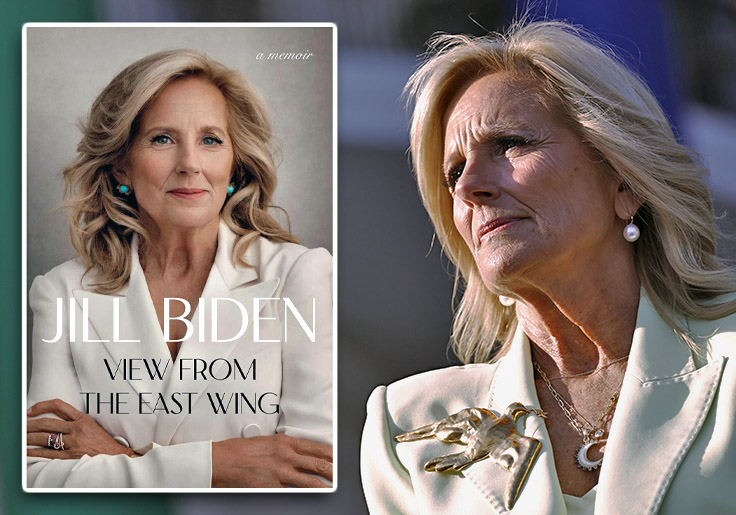
Dr Jill Biden’s new memoir, View from the East Wing, provides an unvarnished look at life in the nation’s most powerful residence. The former educator‑turned‑first lady uses the book to detail the ceremonial and social obligations that accompany the role, from hosting opulent banquets to arranging private concerts funded by the public purse.
Celebrating the teaching profession in style
Among the anecdotes, Biden highlights a dinner she organised for the White House’s Teachers of the Year. The event, held in the State Dining Room, featured an elaborate menu and a performance by the U.S. Army Chorus and Strings. She describes the evening as her “proudest moment as a professional teacher”, underscoring how the occasion blended her educational background with the pageantry of the executive mansion.
Elite circles and high‑profile friendships
The memoir repeatedly references interactions with well‑known figures. Biden recounts conversations with musicians such as Bono and fashion designer Ralph Lauren, and notes a close relationship with donor Ellen Susman, whom she describes as an “ultra‑wealthy” supporter. These passages illustrate her immersion in the network of Washington’s affluent and influential.
Questions about presidential health
While the book celebrates the perks of the position, it also touches on a contentious moment from a recent debate. Joe Biden made a comment about “beating Medicare”, prompting speculation about his cognitive fitness. Jill Biden’s subsequent explanations are portrayed as brief and lacking in detail, leaving readers uncertain about what she knew and when.
Motivation behind the memoir
Throughout the narrative, the former first lady repeatedly stresses that she wrote the work “for the sake of history”. Critics, however, argue that the text also serves to defend her husband’s reputation and to justify her own place within the capital’s power structure.
Overall, View from the East Wing offers a layered portrait of a public figure navigating personal ambition, professional pride and the expectations of an elite political environment. The book’s candid tone provides insight into the daily realities of the White House, even as it blurs the line between factual recounting and personal promotion.