At a Thursday morning press briefing in the Pentagon, US Secretary of War Pete Hegseth delivered a stark warning to the Iranian government. He described the regime as “pirates and terrorists” and said the United States would keep the newly imposed Persian Gulf blockade in place “for as long as it takes”.
Blockade details and economic impact
The blockade, which began three days before the briefing, is intended to choke off Iran’s illicit oil sales to adversaries such as China. Former Treasury Department official Miad Maleki estimated that the restrictions could cost Iran roughly $435 million each day, amounting to about $13 billion a month in combined losses to imports and exports.
Military enforcement
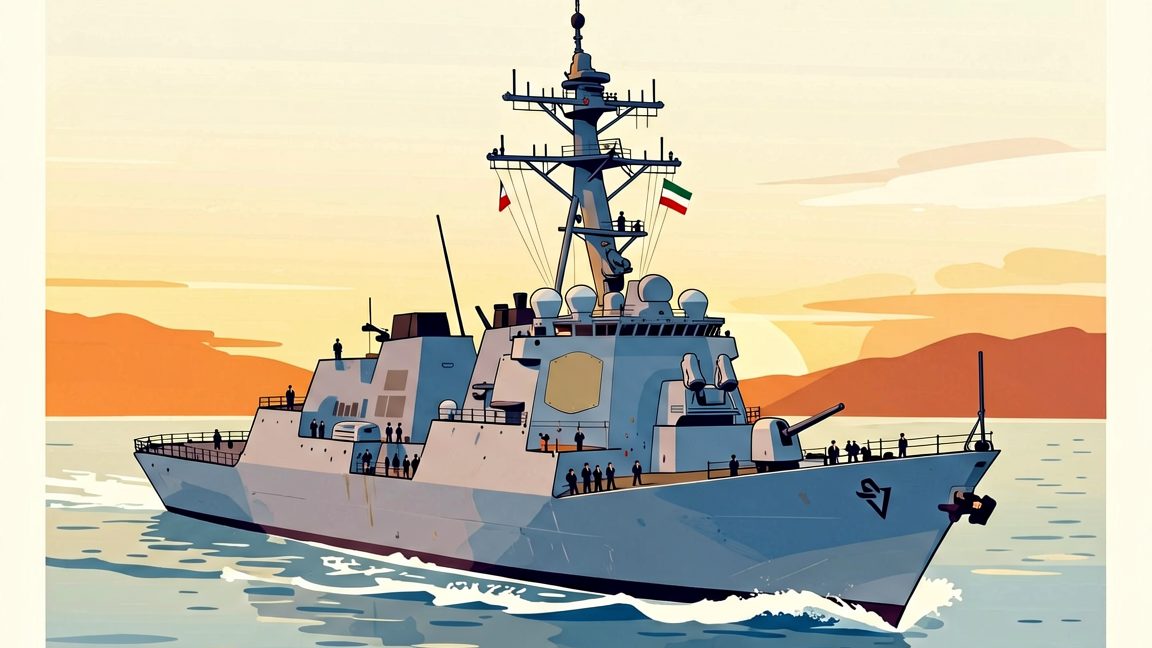
Joint Chiefs of Staff Chairman General Dan Caine, speaking alongside Hegseth, said US forces have already turned back 13 vessels that approached the restricted zone. He noted that the ships chose to reverse course, describing their decision as “the wise choice”. The blockade applies to any vessel heading to or from Iranian ports, but it does not extend to the Strait of Hormuz itself, meaning ships that are merely transiting the Gulf without entering Iranian ports are permitted to pass.
According to General Caine, US forces have not yet boarded any ship, though the option remains if Tehran attempts to breach the line. Within the first two hours of the operation, a handful of “attempted blockade runners” tried to cross the perimeter and were intercepted by a combination of intelligence, surveillance, reconnaissance and tactical assets. At the time of the briefing, 12 ships remained inside the blockade line, while one vessel turned back before even attempting a breach.
Intelligence and potential escalation
Hegseth asserted that US intelligence networks are closely monitoring Iran’s attempts to relocate missile launchers and other military equipment during the ongoing ceasefire. He warned that any Iranian move to challenge the blockade would be met with a strong response, including the use of air strikes on infrastructure, power and energy facilities.
He added that the United States is “reloading with more power than ever before and better intelligence”, signalling a readiness to intensify pressure if required.
Political rhetoric and media criticism
Beyond the strategic message, Hegseth launched a broader attack on what he termed the “legacy trump‑hating press”, accusing it of publishing an “endless stream of garbage” that undermines US warfighters. He recalled a recent church service where readings from the Gospel of Mark prompted him to liken the press to the Pharisees who dismissed Jesus’ healing efforts, suggesting a politically motivated animus against President Trump.
He concluded by urging journalists to recognise the “goodness, the historic success of our troops, the courage of this president and this historic moment”.
Outlook
The situation remains volatile, with the blockade poised to exert significant pressure on Iran’s energy trade and, by extension, its capacity to fund its nuclear programme. Both Washington and Tehran appear prepared for further escalation, making the Persian Gulf a focal point of international security concerns.