On Monday CBS News ran a story that highlighted a series of deleted tweets posted by Abdul El‑Sayed, the Democratic candidate for the U.S. Senate seat in Michigan. The piece noted that the tweets, which were removed from El‑Sayed's account earlier this year, referenced the September 11 attacks and included language that the outlet described as "controversial." The report also quoted CBS political reporter Zak Hudak, who said the revelations could bring "renewed scrutiny and fresh political attack" to the campaign.
El‑Sayed, a former Detroit health official who entered the Senate race after serving as a professor of public health at the University of Michigan, has faced a crowded Democratic primary. His platform emphasizes health equity, climate action and economic development. The emergence of the deleted tweets adds a new dimension to a contest that has already featured debates over health policy, gun control and the legacy of former Senator Debbie Stabenow.
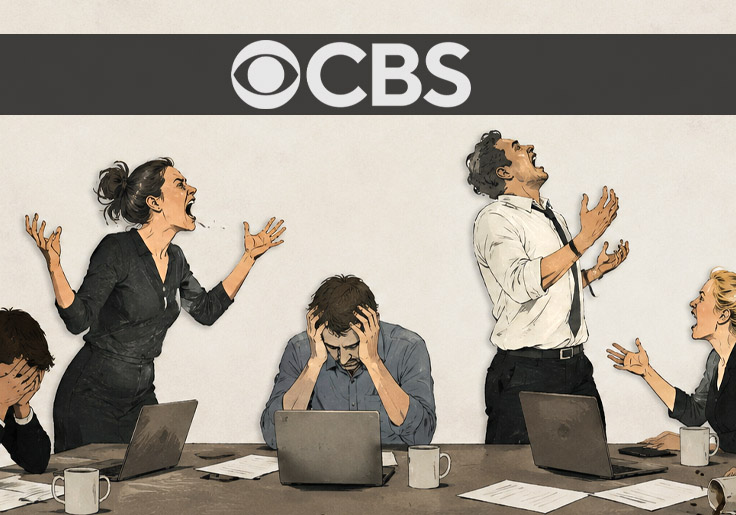
The CBS article was titled "Deleted tweets by Michigan Senate candidate Abdul El‑Sayed raise questions about his views on 9/11." The headline, according to the story, accurately reflected the content of the piece. However, a number of CBS staff members expressed dissatisfaction with the way the story was framed. In an anonymous interview with media blogger Oliver Darcy, who has previously contributed to CNN, several journalists described the coverage as "overblown" and suggested that the editorial decision to emphasize the tweets was driven more by a desire for a headline than by substantive news value.
Darcy's reporting, which appeared on his personal blog, quoted a CBS employee who said the newsroom was "pummeled by a storm of outrage" after the story ran. The same source alleged that the network's leadership, including senior editor Bari Weiss, had "tweaked" the headline to make it more sensational. The employee's comments were not corroborated by other CBS officials, and the network has not issued a formal response to the allegations.
Critics of the CBS coverage argue that the focus on a handful of deleted tweets diverts attention from the substantive policy debates that dominate the Michigan Senate primary. "They took a small nugget of news, forced it into something much larger," one staffer told Darcy. The staffer's remark reflects a broader concern among journalists that the media sometimes prioritize controversy over depth, a criticism that has been leveled at both sides of the political aisle.
Media analysts note that the episode occurs at a time when news organizations are under intense pressure to produce clicks and social media engagement. A 2023 Pew Research Center study found that stories with a personal or scandal‑type angle generate higher online traffic than those focused on policy analysis. CBS, like many other outlets, has been navigating the tension between audience metrics and editorial standards.
In the context of the Michigan Senate race, the timing of the CBS story could have electoral implications. Michigan's primary is scheduled for August 6, and the Democratic field includes former U.S. Representative Elissa Slotkin, former Congressman Hill Harper and several other candidates. Polls from the Michigan Polling Center in early July showed Slotkin with a comfortable lead, while El‑Sayed trailed in the mid‑teens. A controversy that draws negative attention could further erode his support among moderate voters.
El‑Sayed's campaign responded to the CBS report with a brief statement that the tweets were "taken out of context" and that they had been deleted because they no longer reflected his current views. The campaign did not request a retraction from CBS, but it did ask for a clarification on the tweet's original wording. No official correction has been issued by the network.
The episode also raises questions about newsroom culture and the handling of internal dissent. CBS News, a division of the larger Paramount Global corporation, has a long history of investigative reporting and has won multiple Pulitzer Prizes. Its editorial guidelines, published on the company's website, emphasize accuracy, fairness and independence. When staff members feel those standards are compromised, they can file an internal grievance through the company's ombudsman, a process that is not publicly documented in this case.
Journalism scholars point out that internal criticism can be a healthy sign of a newsroom's self‑regulation. "When reporters voice concerns about story framing, it can lead to better editorial decisions," said Dr. Laura Martinez, a professor of journalism at Northwestern University. "However, the effectiveness of that feedback depends on whether management is willing to engage with it openly."
Beyond the immediate controversy, the incident reflects a broader pattern of political candidates facing scrutiny over past social‑media activity. In recent election cycles, both Republican and Democratic candidates have been held accountable for old posts that surface online. The Federal Election Commission does not regulate such content, but the public's expectation for transparency has grown, especially as voters rely more on digital platforms for information.
For American voters, the CBS story underscores the importance of examining a candidate's full record, including statements made on personal accounts. For Canadian observers, the episode offers a reminder that media coverage of U.S. elections can influence cross‑border perceptions, especially given the close economic ties between the two countries and the shared interest in the composition of the U.S. Senate, which shapes trade and security policy.
Looking ahead, CBS is expected to continue covering the Michigan Senate primary as it unfolds. The network's political desk will likely monitor any further developments related to El‑Sayed's past statements, as well as the broader dynamics of the race. Whether the internal criticism leads to changes in editorial practice remains uncertain, but the discussion highlights the ongoing challenge newsrooms face in balancing speed, impact and accuracy.
In the meantime, voters in Michigan and across the United States will have to weigh the relevance of a candidate's deleted social‑media posts against their policy positions and track record. The CBS story, and the reaction it provoked within the newsroom, adds another layer to the complex calculus that defines modern political campaigns.