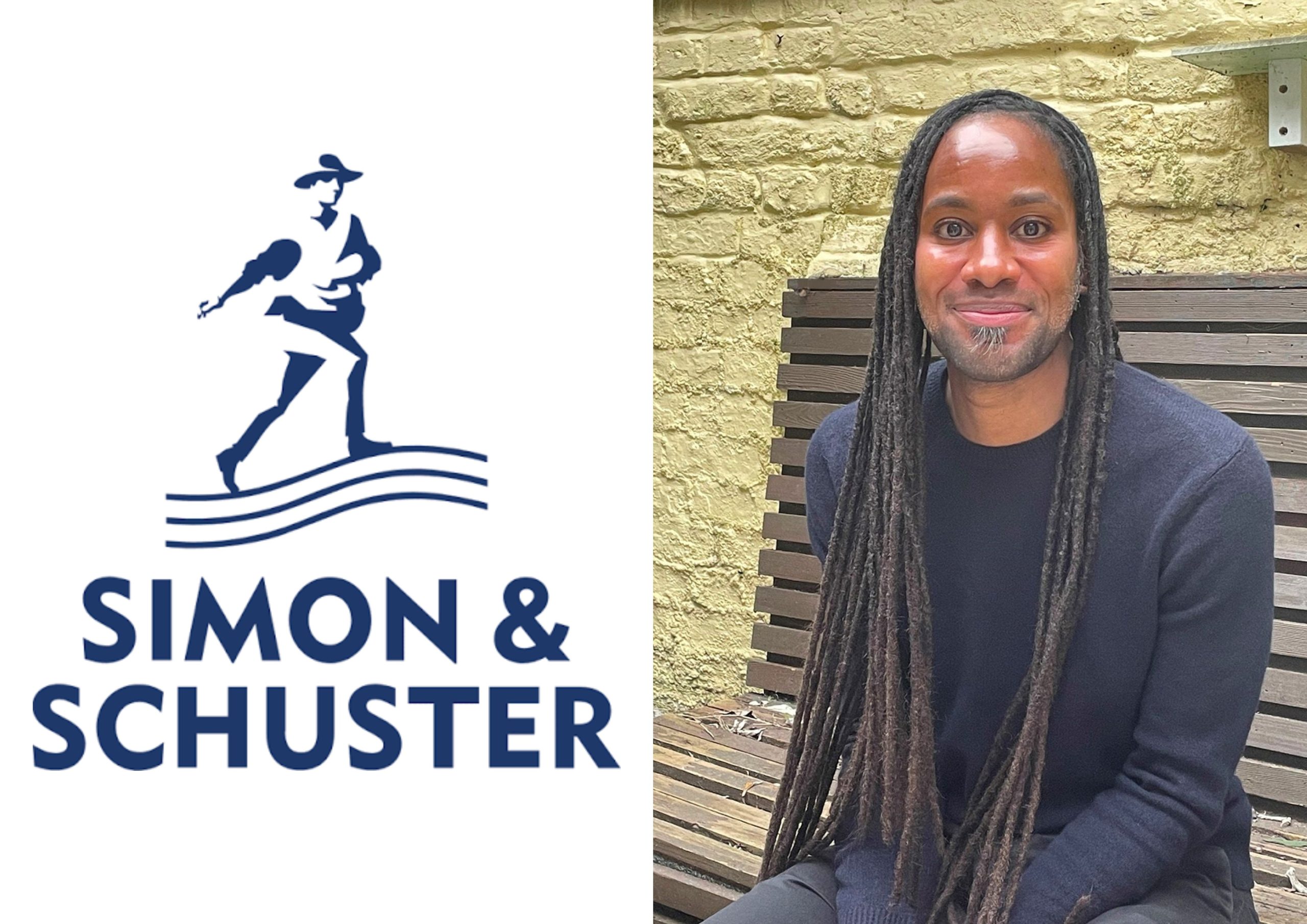
Simon & Schuster, the KKR‑owned imprint that released "Great and Unfortunate Things" earlier this month, is confronting a wave of criticism after a New York Times investigation concluded that several of the book's central claims about Cambridge professor Jason Arday were inaccurate. The investigation, published shortly after the book's launch, has sparked a broader debate about fact‑checking practices in the memoir market and the responsibilities of publishers when a work touches on race and personal trauma.
Arday, a sociologist who made history as the youngest Black scholar appointed to a professorship at Cambridge University, positioned his memoir as a story of personal triumph over adversity. The narrative described him as non‑verbal until age eleven, a detail that formed a cornerstone of the book's emotional appeal. The memoir was marketed in the United States as a "memoir of overcoming remarkable challenges and responding to adversity with resilience."
The New York Times report, published after the book's launch, examined public records, school archives and interviews with former teachers. It found no evidence to support the claim that Arday was unable to speak until his pre‑teen years. The investigation also highlighted discrepancies in his account of early family circumstances, suggesting that the memoir contained embellishments that went beyond typical storytelling. The newspaper noted that while memoirs often rely on memory, the lack of corroborating documentation for such a pivotal claim raised legitimate concerns about accuracy.
British broadcaster Channel 4 aired an interview with Kehinde Andrews, a colleague and friend of Arday, who blamed "the media" for the professor's suicide on Friday. Andrews described the situation as a modern lynching, saying, "A man was lynched yesterday. He's now dead because he's black." American scholar Ibram X. Kendi echoed the sentiment, characterizing the press coverage as a form of racial violence. Both comments have been cited by commentators as reflecting the heightened sensitivity surrounding narratives of Black achievement in the current cultural climate.
Simon & Schuster's response has been limited. The publisher removed a video interview and an audio excerpt from the book's promotional page, actions that suggest an acknowledgement of the controversy. However, a spokesperson, Julia Prosser, declined to comment on why the edits were made or whether the publisher continues to stand by the memoir's factual claims. The silence has been interpreted by industry analysts as a strategic decision to avoid further legal exposure while the publisher assesses the next steps.
Simon & Schuster is one of the "Big Five" publishing houses in the United States, a group that also includes Penguin Random House, HarperCollins, Hachette and Macmillan. The company was acquired by private‑equity firm KKR in 2020, a deal that has drawn attention to how financial owners influence editorial decisions. Critics of private‑equity ownership argue that profit‑driven mandates can pressure editors to prioritize marketable titles over rigorous verification, especially when a book promises strong sales in a politically charged niche.
In the memoir market, publishers typically rely on authors and their agents to verify biographical details, but they also employ fact‑checkers for high‑profile releases. Fact‑checking can involve cross‑checking dates, educational records, and public statements. The extent of fact‑checking for Arday's book has not been disclosed, and the lack of a clear statement from Simon & Schuster has fueled speculation that the process may have been less thorough than usual. Industry observers note that memoirs with a strong social justice angle often receive expedited timelines, which can reduce the window for deep verification.
The memoir lists Eve Claxton as a ghostwriter, though her name does not appear on the U.S. cover. Ghostwriters are common in celebrity and political memoirs, often shaping the narrative while allowing the subject to retain primary credit. The omission of Claxton's name on the American edition raises questions about transparency, especially when the book's credibility is now under scrutiny. Publishing contracts usually include clauses that grant the ghostwriter a fee and a confidentiality agreement, but they do not always require public attribution.
The controversy touches on broader debates about race, representation and media accountability in both the United Kingdom and North America. In the United Kingdom, the appointment of a Black professor at a historic institution like Cambridge has been celebrated as a step toward greater diversity. In the United States, the book's launch coincided with heightened sensitivity to stories of Black achievement, a factor that may have amplified both the initial enthusiasm and the subsequent backlash. Scholars note that the current media environment often amplifies narratives that align with prevailing social movements, sometimes at the expense of rigorous fact‑checking.
From a legal perspective, publishers can face defamation claims if a memoir contains false statements that damage a third party's reputation. However, proving liability requires showing that the publisher acted with actual knowledge of falsity or reckless disregard for the truth. Simon & Schuster's removal of promotional material could be interpreted as an effort to mitigate risk, but the company has not indicated whether it will pursue a recall or issue a public correction. Legal experts point out that even absent a lawsuit, reputational damage can affect future acquisitions and author relationships.
For readers and booksellers, the dispute creates uncertainty about the memoir's authenticity and marketability. Early sales figures have not been released, but the controversy is likely to affect both brick‑and‑mortar retailers and online platforms that have already listed the title. Retailers may choose to flag the book with a disclaimer, a practice that has become more common after high‑profile memoir scandals such as the "A Million Little Pieces" case in 2006. Some independent bookstores have already placed the title on a separate shelf pending further clarification.
Looking ahead, the publisher's next steps will be closely watched. Industry observers expect Simon & Schuster to either issue a revised edition with corrected facts or to withdraw the title entirely. The outcome could influence how publishing houses handle memoirs that rely heavily on personal testimony, especially when those narratives intersect with sensitive social issues. A decision to issue a revised edition would likely involve a transparent errata process, while a full withdrawal could set a precedent for swift action in similar cases.
Meanwhile, the tragedy of Arday's death continues to dominate discussions about mental health in academia. Universities in both the United Kingdom and the United States have faced criticism for inadequate support systems for scholars dealing with public scrutiny. The case may prompt institutions to re‑examine how they protect faculty members whose personal histories become matters of public debate. Recent surveys of academic staff indicate that a significant percentage feel that mental‑health resources are insufficient, a concern that has been amplified by high‑profile incidents such as this.
In sum, the Simon & Schuster controversy over Jason Arday's memoir underscores the intersecting pressures of commercial publishing, racial representation, and the legal obligations of fact‑checking. How the publisher resolves the dispute will likely shape industry standards for memoir verification and may influence the broader conversation about how stories of Black achievement are told, received, and held accountable in the public sphere.