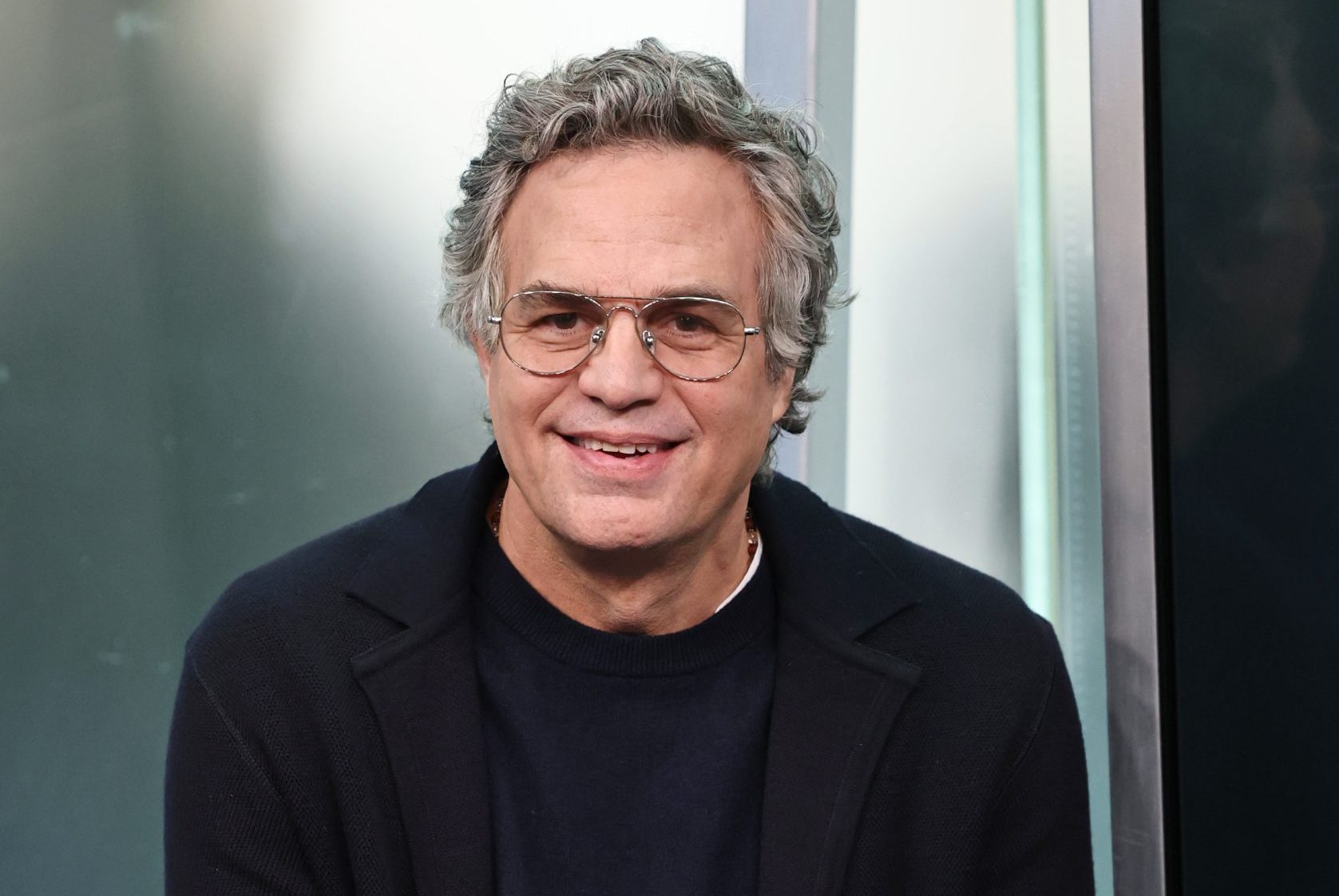
Mark Ruffalo, best known for playing the Hulk in the Marvel Cinematic Universe, posted a lengthy Instagram thread this week that linked the planned Paramount‑Skydance acquisition of Warner Bros. Discovery to "oligarchs" and "inhuman forces." He singled out Paramount owner David Ellison and his father Larry Ellison, accusing Oracle, the software firm founded by Larry, of providing "profoundly scary technologies" to Israel and warning that the merger would create "one of the largest media conglomerates in the world."
Ruffalo also targeted Safra Catz, an Israeli‑American board member of Paramount and former CEO of Oracle, claiming she "revels in what we now have come to see as a genocide, which was built on an apartheid system of oppression powered by Oracle." The remarks arrived as Paramount, now controlled by the Ellisons, announced its intent to acquire Warner Bros. Discovery, a move that has already sparked debate over media concentration in the United States.
Paramount responded quickly, labeling Ruffalo's statements as "antisemitic tropes." The studio's public relations team issued a statement that the actor's comments crossed the line from legitimate criticism of Israeli policy into hateful generalizations about Jewish people. Ruffalo rebutted on X, insisting that criticism of Israel should not be conflated with antisemitism and demanding the right to voice his concerns without being labeled a bigot.
Within the entertainment community, the Creative Community for Peace, a coalition of industry figures that describes itself as working to counter the rise of antisemitism, called for platforms to withdraw from Ruffalo until he retracts his remarks. The group issued a press release describing his messaging as "antisemitic" and urging studios, festivals, and talent agencies to distance themselves from the actor.
United Talent Agency, one of the three largest talent agencies in Hollywood and the firm that represents Ruffalo, has not issued a public comment on the controversy. Reporters who reached the agency for a statement received no reply. The silence stands out because UTA previously severed ties with two high‑profile actresses over similar Israel‑related criticism.
In November 2023, UTA dropped Susan Sarandon after the veteran actress participated in an anti‑Israel rally and suggested that Jews who felt threatened by rising antisemitism were "getting a taste" of what it is like to be Muslim in the United States. The agency's decision was widely reported as a direct response to the political fallout from Sarandon's remarks.
Kate Beckinsale, who was represented by UTA at the time, alleged in April that the agency terminated her representation the same day as Sarandon because she "liked" a social‑media post that accused Israel of genocide. Beckinsale publicly accused UTA of applying a double standard, noting that Ruffalo, a male actor with a larger box‑office draw, remained under the agency's umbrella while she faced termination.
Beckinsale wrote on social media, "I guess having a penis in Hollywood really counts for a lot, because you've not been fired by the same agent that I had." Her comment referenced Shani Rosenzweig, a UTA partner listed as Ruffalo's point agent on IMDb, who also represented Sarandon and Beckinsale. Rosenzweig declined interview requests, and the agency's official spokesperson did not address the allegations.
The contrast in treatment raises questions about how talent agencies weigh commercial value against political risk. Ruffalo's involvement in the Marvel franchise and his lead role in the HBO series "Task" have generated substantial revenue for his representatives. "Task," a drama about a priest‑turned‑FBI agent, was renewed for a second season after strong ratings, further cementing Ruffalo's marketability.
Hollywood's relationship with the Israel‑Palestine debate has shifted in recent years. Public opinion in the United States has become more divided, with younger voters showing greater sympathy for Palestinian concerns, while older and more affluent donors often maintain strong pro‑Israel positions. The entertainment industry, which relies heavily on financing from wealthy investors, may therefore be more cautious about alienating a segment of its financial base.
United Talent Agency's executives have publicly supported Israel in the past. In October 2023, Rosenzweig signed a letter organized by Creative Community for Peace that condemned the Hamas attacks and affirmed Israel's right to self‑defence. Sixteen other UTA employees also signed the letter, a fact that anti‑Israel activists have highlighted in protests outside the home of UTA vice chairman Jay Sures.
While the agency has not formally responded to Ruffalo's case, a subtle change was noted on its speakers bureau website. The page that previously listed Ruffalo as an available speaker was removed, suggesting that UTA may be limiting his public‑speaking opportunities without ending the representation outright.
For American voters, the episode illustrates how cultural figures can become flashpoints in broader foreign‑policy debates. The upcoming midterm elections are likely to feature Israel‑related rhetoric, especially in swing districts where Jewish and Arab American communities are both active. A talent agency's decision to retain or drop a client can send a signal to political donors and advocacy groups about where the entertainment industry's loyalties lie.
In Canada, the controversy mirrors ongoing discussions about the country's own media concentration and foreign‑policy stances. Canadian broadcasters have faced scrutiny over ownership ties to U.S. conglomerates, and Canadian politicians have debated the nation's response to the Israel‑Palestine conflict. While the UTA decision does not directly affect Canadian policy, it adds to a trans‑border conversation about how cultural institutions handle politically charged speech.
Legal experts note that talent agencies are private firms with broad discretion to choose clients, but they also operate under contract law that can be challenged if a termination appears discriminatory. Beckinsale's claim of a gender‑based double standard could, in theory, be examined under employment‑law principles, though most agency‑client relationships are governed by separate agreements that give agencies wide latitude.
As the Paramount‑Skydance deal moves forward, industry observers will watch whether the merger influences the tone of future commentary on Israel. The consolidation could give the new entity greater leverage over content distribution, potentially shaping how studios address contentious geopolitical topics.
For now, Ruffalo remains represented by UTA, continues to promote his upcoming projects, and faces a polarized audience. Whether the agency's silence will be interpreted as tacit approval or a strategic avoidance of further controversy remains to be seen.