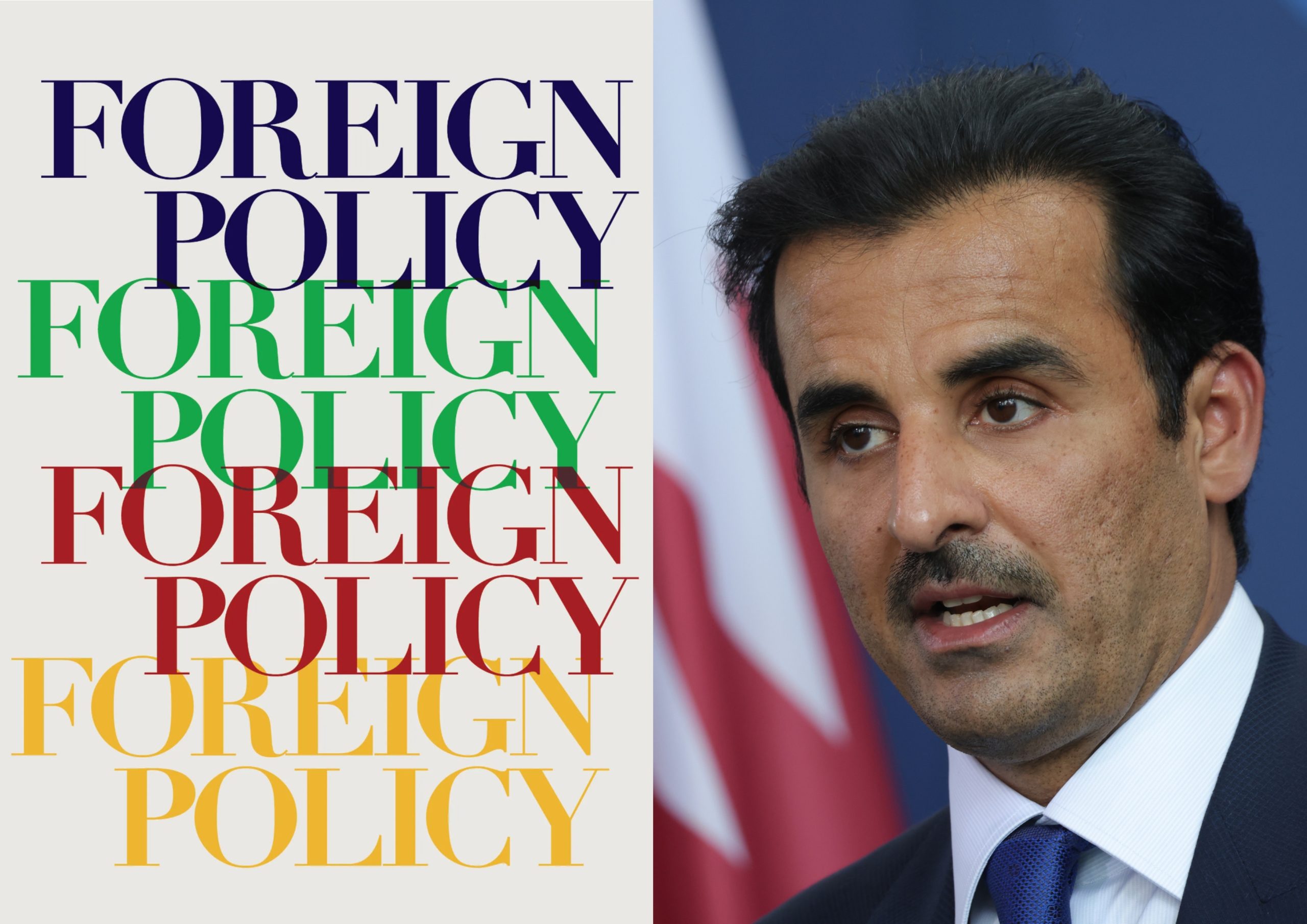
Foreign Policy, the Washington‑based foreign‑affairs magazine, has formal ties to the State of Qatar that extend beyond a simple sponsorship arrangement, a new investigation by the Washington Free Beacon shows. The magazine's partnership with the Doha Forum, a conference organized by Qatar's Ministry of Foreign Affairs under the patronage of Emir Sheikh Tamim bin Hamad Al Thani, includes co‑produced podcasts, event organization and paid social‑media promotion of articles that echo Doha's diplomatic positions.
According to the Free Beacon report, Foreign Policy has published a series of pieces that describe Israel's actions in Gaza as "genocide" and label former President Donald Trump's approach to Iran as a "reckless war." The articles also portray Qatar's stance against a US‑led conflict with Tehran in a favorable light. In one July story the magazine praised Representative Alexandria Ocasio‑Cortez for her "foreign‑policy prowess," a post that the outlet paid to boost on the X platform.
The partnership with the Doha Forum began with a contract to produce two "Doha Debates" podcasts, titled Global Reboot and Counterpoint. The magazine also helped organize a high‑level panel discussion in January 2026 on the sidelines of the World Economic Forum in Davos, an event the Qatari state news agency described as a preparatory step for the Doha Forum scheduled for December 2026 in Qatar.
Foreign Policy's ownership structure adds another layer to the story. The publication is owned by Graham Holdings, a diversified company that also controls Slate and a range of businesses from education services to local television stations. Graham Holdings acquired Foreign Policy in 2019, and the magazine's editorial leadership, including editor‑in‑chief Ravi Agrawal, has overseen the expansion of its Doha‑related content.
Critics argue that the Qatar‑funded "Doha Debates" series receives financial support from the Qatar Foundation, an organization overseen by Sheikha Moza bint Nasser, the mother of the emir. The foundation has a reputation for monitoring how its grantees discuss sensitive topics such as Hamas and the October 7 attacks. Observers note that articles published after the Davos panel often align closely with Qatar's official narrative, including an August 6 analysis that asked why Israel rejected a Hamas disarmament plan.
One July essay labeled Prime Minister Benjamin Netanyahu's "Palestine philosophy" as "consistently disastrous" and featured a photograph of the Israeli leader with an outstretched arm reminiscent of a Nazi salute. A separate August 4 book review opened with a lament about the suppression of pro‑Hamas demonstrations on US campuses in the spring of 2024, framing the debate over the term "genocide" as a partisan battle.
The magazine's coverage of the United States‑Iran relationship follows a similar pattern. A July 23 piece argued that Iran had gained the upper hand in the conflict and suggested that the only way out of Trump's "reckless war" was to pay Iran to open the Strait of Hormuz. Another article from the same day described the Trump‑Saudi nuclear pact as "diplomatic malpractice," a criticism that resonates with Qatar's own opposition to Saudi policy.
Congressional staffers who monitor Middle‑East policy have taken note. A senior Republican aide told the Free Beacon that "everyone knows Qatar has bought its way into every part of Washington DC," adding that journalists often receive "files on someone Qatar doesn't like." The comment reflects a broader concern that Qatar's soft‑power strategy, which includes funding conferences, hosting US military bases and supporting educational initiatives, may be shaping US discourse.
Qatar's influence‑building efforts date back at least a decade. A 2010 State Department cable released by WikiLeaks quoted Qatari officials describing international conferences and US‑based military facilities as "their aircraft carriers" and "their nuclear weapons." The cable highlighted the emirate's reliance on diplomatic outreach to compensate for its lack of a conventional armed force.
Beyond media, Qatar has invested heavily in American higher education. Georgetown University operates a campus in Doha and runs programs that prepare future US diplomats. A June 2025 study by the Institute for the Study of Global Antisemitism and Policy argued that Georgetown's Doha‑linked centers promote political Islam and anti‑Israel narratives, echoing concerns raised about Foreign Policy's coverage.
The Free Beacon's findings raise questions about editorial independence at a publication that bills itself as "the global magazine of news and ideas." While Foreign Policy has not responded to requests for comment, the report underscores the need for readers to consider the financial relationships that may shape the framing of contentious foreign‑policy issues.
For American and Canadian audiences, the controversy matters because the magazine's analysis often informs policymakers, think‑tank researchers and university curricula. If a prominent outlet consistently reflects the perspective of a foreign government, it could affect public opinion on Israel‑Palestine, US‑Iran relations and broader Middle‑East strategy, topics that regularly surface in congressional hearings and electoral debates.
Media watchdog groups have called for greater transparency in foreign‑funded media partnerships. The Federal Communications Commission requires disclosure of foreign ownership for broadcast outlets, but print and digital publications operate under less stringent rules. Advocates argue that clearer labeling of sponsored content would help readers assess potential bias.
As the Doha Forum prepares for its 2026 edition, the partnership with Foreign Policy is likely to continue. Observers will watch whether the magazine's coverage shifts in response to evolving US elections, Israeli political developments and the ongoing debate over Iran's nuclear program. The episode adds to a growing conversation about how state‑funded influence operations intersect with American journalism.