Albi, a Palestinian‑focused eatery in Washington, D.C., has been awarded a four‑star review by the New York Times – the first time the newspaper has bestowed its highest rating on a restaurant outside New York City. The review, published in 2026, marks the sixth venue ever to achieve the accolade since the Times began reviewing restaurants in 1963, joining an exclusive group of five New York establishments.
Chef Michael Rafidi’s vision
The review, written by Ligaya Mishan, praised the restaurant’s “overt, unabashed pleasure” and described chef Michael Rafidi’s approach as creating “a wholly realized world.” Rafidi, who was raised in Maryland to grandparents from Ramallah, has publicly dedicated awards to Palestine and has been vocal in criticism of Israeli policies. The restaurant’s website features a poem by Palestinian poet Mahmoud Darwish, who left the Palestine Liberation Organization in 1993 over the Oslo Accords.
Wine list and political signalling
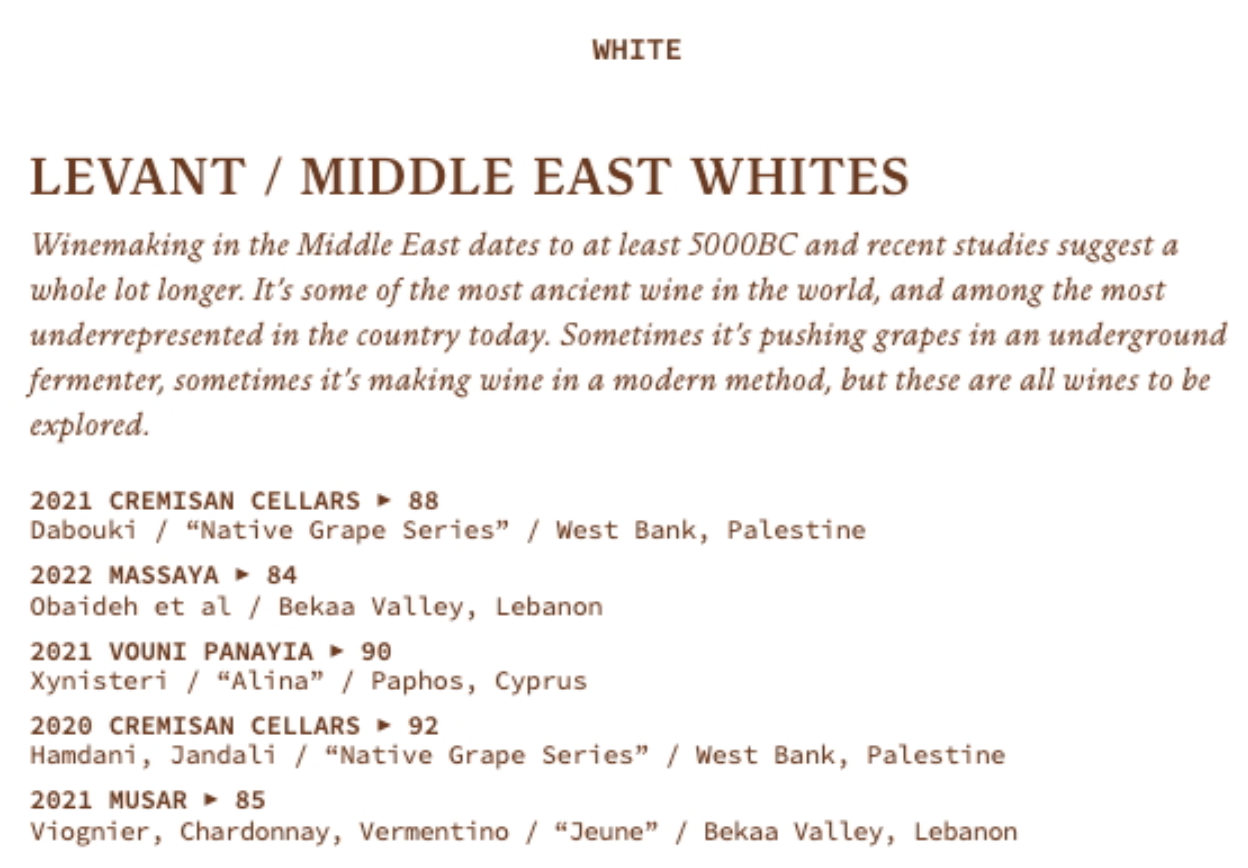
Albi’s wine list showcases Lebanese bottles priced as high as $650, while deliberately omitting any Israeli labels. The Times has previously characterised Lebanon’s Bekaa Valley – a key source of many of those wines – as a “Hezbollah bastion” and “one of Hezbollah’s most fertile recruiting grounds.” The United States designates Hezbollah as a foreign terrorist organisation, citing attacks such as the 1983 Beirut bombings that killed 299 people, most of them Americans.
Criticism of the rating criteria
In a 2026 interview with the Columbia Journalism Review, Mishan said her work aims to “undermine the current order and redistribute power.” She has also described the four‑star standard as requiring “love,” while colleague Tejal Rao has said it demands “extraordinary, subversive or transcendent” qualities. These statements have fuelled a debate among readers, some of whom wonder whether the rating reflects political alignment as much as culinary excellence.
Pattern of political framing
The Albi review follows a pattern of Times coverage that often frames Palestinian cuisine through a political lens. In 2024 Mishan wrote about a Palestinian dessert, referencing “life under Israel’s occupation of the West Bank and its blockade of Gaza,” and concluded that “food may be the most effective form of propaganda.” Critics have noted that the paper has previously downplayed Israeli connections of chefs such as Yotam Ottolenghi, describing him simply as “British.”
Restaurant policies and public reaction
Albi’s website lists a 3% “employee wellness fee” and indicates that certain dishes conform to halal standards. After winning a James Beard Foundation award in 2024, Rafidi posted on Instagram: “This award is dedicated to the people of Palestine.” Reader comments have been mixed; one reviewer wrote, “Is Albi an outstanding restaurant? Yes. Is it having a particular moment for reasons other than the food? Absolutely.”
first reported by The New York Times