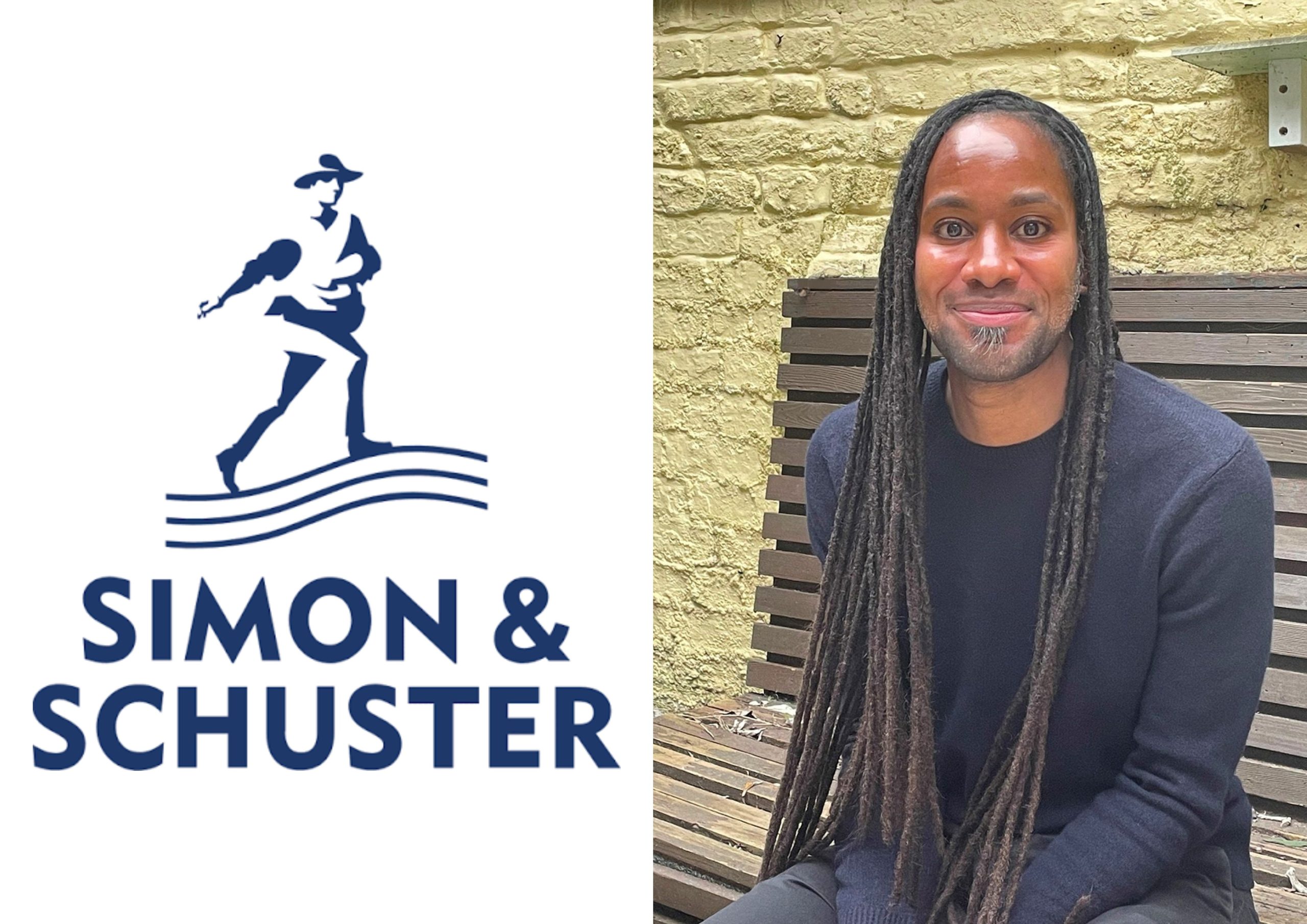
Jason Arday left his post at Cambridge University after an inquiry into his scholarly conduct. The university investigation preceded the publication of a memoir titled Great and Unfortunate Things, which is being released by Simon & Schuster.
The Washington Free Beacon obtained early copies of the manuscript before its public launch. According to the publisher, the manuscript underwent editorial revisions between January and June of this year. Those changes included re‑writing direct quotations, removing the names of individuals linked to Arday’s charitable work and softening language that could be interpreted as incriminating.
The extent of the edits has raised questions about how much Simon & Schuster knew of the accusations against Arday before they were made public. The memoir recounts Arday’s upbringing as a severely autistic, working‑class Briton and his achievement as the youngest black professor in Cambridge’s eight‑century history. However, the book has been accused of plagiarism, dishonesty and academic fraud.
A spokesperson for Simon & Schuster said that Arday worked closely with a co‑writer and that the publisher’s editorial and legal teams were involved in researching, writing and corroborating the narrative. The memoir was produced with the assistance of ghostwriter and editor Eve Claxton.
Columbia University linguistics professor John McWhorter criticised the decision to publish, arguing that it dehumanises Arday and shows a lack of compassion for someone facing serious misconduct allegations. The Good Law Project, a left‑wing legal advocacy group, initially defended Arday, circulating an open letter that described the accusations as entirely false and a product of a racist right‑wing conspiracy. After further evidence emerged, several Cambridge academics who had signed the letter withdrew their support, and one also removed his affiliation with the university.
Belgian scholar Nathan Cofnas, who first reported plagiarism claims against Arday, said the case demonstrates that sheer will is insufficient without skill and talent. Critics have also described Arday’s appointment at Cambridge as tokenism.
The controversy has sparked a wider discussion about academic integrity, diversity and inclusion in higher education. Simon & Schuster has not yet decided whether to withdraw the memoir or take other actions in response to the criticism.