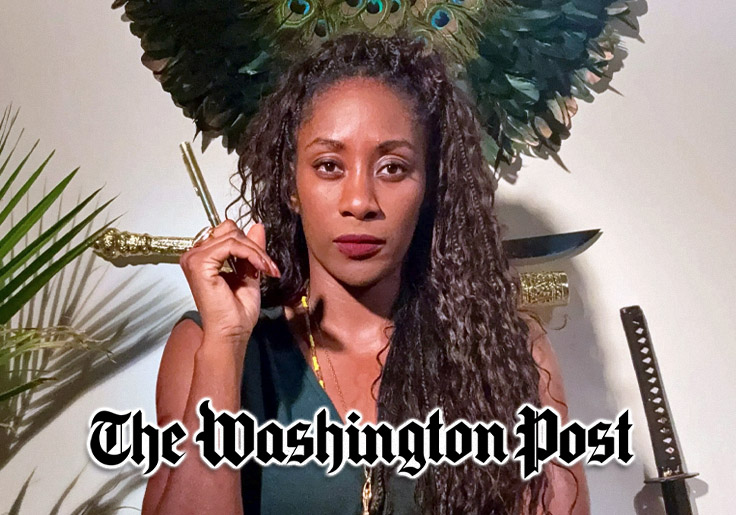
Sarah Miller Espinosa, a private arbitrator appointed under the Washington Post's labor agreement, issued a decision last week ordering the newspaper to rehire columnist Karen Attiah, restore her benefits and pay her back wages dating to her September 11 dismissal. The ruling rejected the Post's claim that Attiah's conduct constituted "gross misconduct" and concluded the outlet lacked "good and sufficient cause" to terminate her contract.
Attiah, a senior writer known for commentary on race and politics, was let go after a series‑of public statements that the Post deemed inflammatory. In September 2023 she described the recently murdered activist Charlie Kirk as a "white man that espoused violence" and criticized what she called "performative mourning" by his supporters. The column sparked a backlash on social media and led the Post's management to terminate her employment the same day.
Following her dismissal, Attiah filed a grievance with the newspaper's union, alleging that the action was part of a broader effort to silence Black voices in American institutions. In her filing she claimed she was being "silenced" for exposing "racial double standards" and described the termination as evidence of a "broader purge of Black voices" from media and academia.
During the arbitration hearing, the Post argued that Attiah's remarks on the social network Bluesky, which it described as "deranged #Resistance diehards," amounted to gross misconduct. Espinosa dismissed that argument, stating that the speech did not rise to the level required for summary dismissal under the collective bargaining agreement. "The employer has not demonstrated that the employee's conduct was so severe as to justify termination without prior progressive discipline," the arbitrator wrote in her decision.
Attiah hailed the outcome as "a victory for journalists everywhere," and told the New York Times she would be "willing to go back" to the Post despite the "repeated trashing" of the paper and its leaders in the months surrounding her dismissal. "I'm ready to return to the newsroom and continue the work of holding power accountable," she said in the interview.
The Post issued a brief statement saying it "respects the arbitration process, which is generally binding under the terms of its labor agreement." The newspaper did not comment on whether it intends to comply with the reinstatement order, leaving the next steps uncertain.
The case shines a light on the role of arbitration in newsroom labor disputes. Many major U.S. media companies, including the Post, have collective bargaining agreements that require disputes over termination to be resolved by a neutral arbitrator rather than through the courts. The process is intended to provide a faster, less costly resolution, but critics argue it can limit employees' ability to challenge dismissals in public courts.
Arbitration decisions are typically final and binding, though parties may seek judicial review only on narrow grounds such as fraud or a clear violation of public policy. In practice, most media outlets honor arbitrators' rulings to avoid costly litigation and potential damage to their reputation among journalists and labor groups.
Attiah's case is not the first high‑profile media arbitration involving allegations of ideological bias. In 2020, a senior editor at a major national newspaper was reinstated after an arbitrator found that the outlet had failed to follow its own progressive‑discipline procedures before issuing a termination notice. That precedent underscores the importance of procedural compliance in labor contracts, a point Espinosa emphasized in her decision.
The broader context of the dispute is the ongoing debate over diversity, equity and inclusion (DEI) initiatives in American institutions. Attiah has been an outspoken critic of what she describes as a "global anti‑DEI age," arguing that "removing Black people from public life has become an explicit political project, orchestrated at the highest levels of government, academia, and media." In a Substack post she linked the alleged purge to recent resignations of Black college presidents and the departures of high‑profile Black journalists.
Her commentary has drawn both support and condemnation. Advocates for DEI argue that Attiah's perspective highlights systemic inequities that persist despite corporate diversity pledges. Opponents contend that her statements, including a refusal to apologize for expressing solidarity with Hamas after the Oct. 7 attacks and a claim that "white women" enable "racist terrorism," cross the line from critique to incitement.
Attiah's public persona also includes a series of provocative images, such as a professional photoshoot in front of the Post's headquarters holding a flaming newspaper and wearing a socialist ball gag. She has used social media to promote a personal fitness regimen, claiming a "20‑pound muscle gain" that she says will help her "beat up racists and evade the cops if necessary." While these details are peripheral to the arbitration, they have been cited by critics to question her professionalism.
Legal experts note that the arbitrator's ruling does not address the substance of Attiah's public statements, only whether the Post followed its contractual obligations. "The decision is about process, not speech," said a labor‑law professor at Georgetown University. "If the newspaper can demonstrate that it had a legitimate, documented reason for termination that complies with the agreement, the arbitrator could have ruled differently."
For American journalists, the case may serve as a cautionary tale about the limits of editorial freedom when employment contracts are involved. Many newsroom unions have been pushing for stronger protections against termination for political speech, arguing that such safeguards are essential for a free press. The National Press Club's legal committee has indicated it will monitor the Post's compliance with the arbitrator's order.
In Canada, similar arbitration mechanisms exist under collective agreements in major media outlets such as the Toronto Star and the Globe and Mail. Canadian journalists' unions have long advocated for transparent grievance processes, and the Attiah decision could prompt cross‑border discussions about the balance between editorial independence and contractual discipline.
Should the Washington Post comply, Attiah would likely return to the opinion pages, where her columns have historically drawn both high engagement and controversy. Her reinstatement could also influence upcoming labor negotiations at other news organizations, many of which are currently renegotiating contracts in the wake of layoffs and the shift to digital revenue models.
Regardless of the outcome, the arbitration underscores the growing entanglement of media labor relations with the nation's cultural wars over DEI, free speech and the role of the press. As the Post weighs its next move, the decision will be watched closely by journalists, unions and media owners alike, all of whom are navigating an increasingly polarized environment where employment disputes can quickly become flashpoints for broader ideological battles.