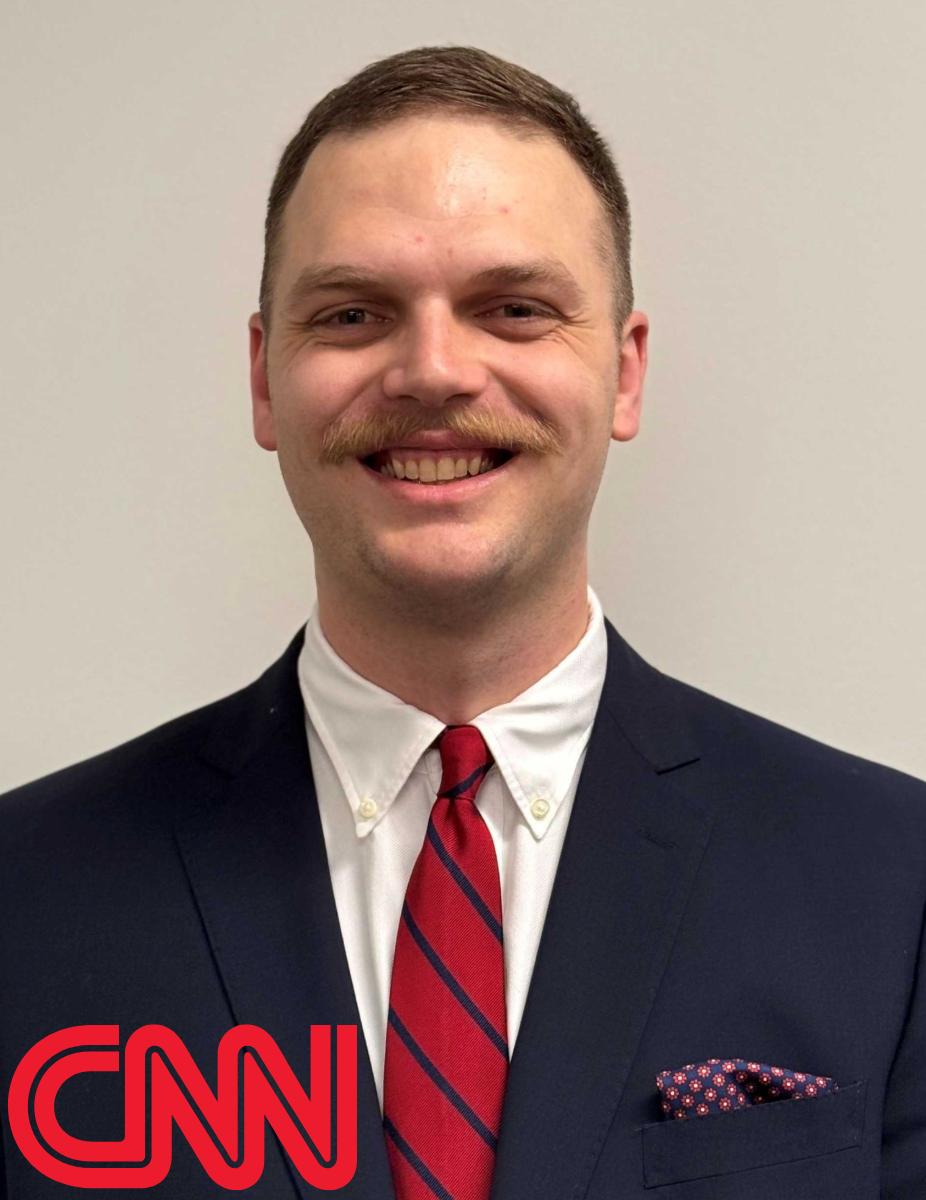
The Outrider Foundation, a Madison, Wisconsin-based charity funded by Democratic donor Frank Burgess, has partnered with CNN to support the work of reporter Davis Winkie, who covers national security and nuclear threats. The foundation describes itself as a "non-political, nonpartisan 501c3 organization" that aims to educate the public about nuclear security threats and climate issues.
However, the partnership has raised questions about the potential for press bias and the influence of outside organizations on news coverage. The Outrider Foundation's website urges readers to take action on nuclear issues, including contacting their representatives in Congress and donating money to support the organization's work. The foundation also claims that many U.S. representatives receive donation money from powerful companies that make nuclear weapons, such as Northrop Grumman and Boeing.
CNN has stated that it retains full editorial control of all reporting, despite the partnership with the Outrider Foundation. However, the situation has sparked concerns about the potential for bias and the erosion of the network's reputation for impartiality. The news business has been financially challenging in recent years, and news organizations have taken to seeking funding from charities and other organizations to support their coverage.
The New York Times, for example, has published anti-Israel content subsidized by a far-left nonprofit called the Pulitzer Center. The Associated Press's climate coverage is also paid for by left-wing foundations opposed to fossil fuels. These partnerships have raised questions about the potential for press bias and the influence of outside organizations on news coverage.
Davis Winkie, the CNN reporter whose work is supported by the Outrider Foundation, has a background in the Air National Guard and studied European history and classics at Vanderbilt University. His articles for CNN are also promoted on the Outrider Foundation website. Journalism Funding Partners, a left-wing nonprofit, is also involved with the CNN fellowship and has received funding from the Democracy Fund, a far-left charity funded by anti-Israel billionaire Pierre Omidyar.
Before joining CNN, Winkie and the Outrider Foundation had a similar deal with USA Today, where he covered the White House and the Pentagon. The partnership between CNN and the Outrider Foundation has sparked concerns about the potential for bias and the influence of outside organizations on news coverage. A CNN spokeswoman referred to the disclaimer that CNN retains full editorial control of all reporting, but the situation has raised questions about the potential for press bias and the erosion of the network's reputation for impartiality.
The issue highlights the double standard when it comes to press bias. When conservative organizations or individuals attempt to exert influence over news coverage, they are often met with criticism and scrutiny. However, when left-wing organizations or individuals are involved, the situation is often viewed as acceptable or even desirable. The partnership between CNN and the Outrider Foundation is just one example of the potential for press bias and the influence of outside organizations on news coverage.
The situation also raises questions about the role of journalism in society and the potential for bias and influence. As news organizations continue to face financial challenges, they may be increasingly reliant on funding from charities and other organizations. This could lead to a situation in which news coverage is shaped by the interests and agendas of these organizations, rather than a commitment to impartiality and accuracy.
Ultimately, the partnership between CNN and the Outrider Foundation highlights the need for greater transparency and accountability in journalism. News organizations must be careful to avoid any appearance of bias or influence, and must be willing to disclose their funding sources and any potential conflicts of interest. Only through greater transparency and accountability can the public trust in journalism be maintained, and the integrity of the news media be preserved.
In the United States, the Federal Communications Commission (FCC) has rules in place to ensure that broadcast networks, including CNN, maintain their editorial independence. However, these rules do not apply to online news organizations or partnerships with charities. The FCC also requires broadcast networks to disclose any sponsorship or funding arrangements that may affect their coverage.
In Canada, the Canadian Radio-television and Telecommunications Commission (CRTC) has similar rules in place to ensure that broadcast networks maintain their editorial independence. The CRTC also requires broadcast networks to disclose any sponsorship or funding arrangements that may affect their coverage.
The partnership between CNN and the Outrider Foundation also raises questions about the role of charities and non-profit organizations in shaping public discourse. While charities and non-profit organizations can play an important role in promoting social causes and educating the public, they can also be used to promote partisan agendas and influence public opinion.
The Outrider Foundation's partnership with CNN is not the only example of a charity or non-profit organization partnering with a news organization. The Rockefeller Foundation, for example, has partnered with news organizations such as NPR and PBS to support coverage of issues such as climate change and economic development.
However, the partnership between CNN and the Outrider Foundation is notable because of the potential for bias and influence. The Outrider Foundation's website makes it clear that the organization has a strong anti-nuclear agenda, and the partnership with CNN raises questions about whether the network's coverage of nuclear issues will be shaped by this agenda.
As the news media continues to evolve and face new challenges, it is essential that news organizations prioritize transparency and accountability. This includes disclosing funding sources and potential conflicts of interest, as well as being transparent about their editorial processes and decision-making. Only through greater transparency and accountability can the public trust in journalism be maintained, and the integrity of the news media be preserved.