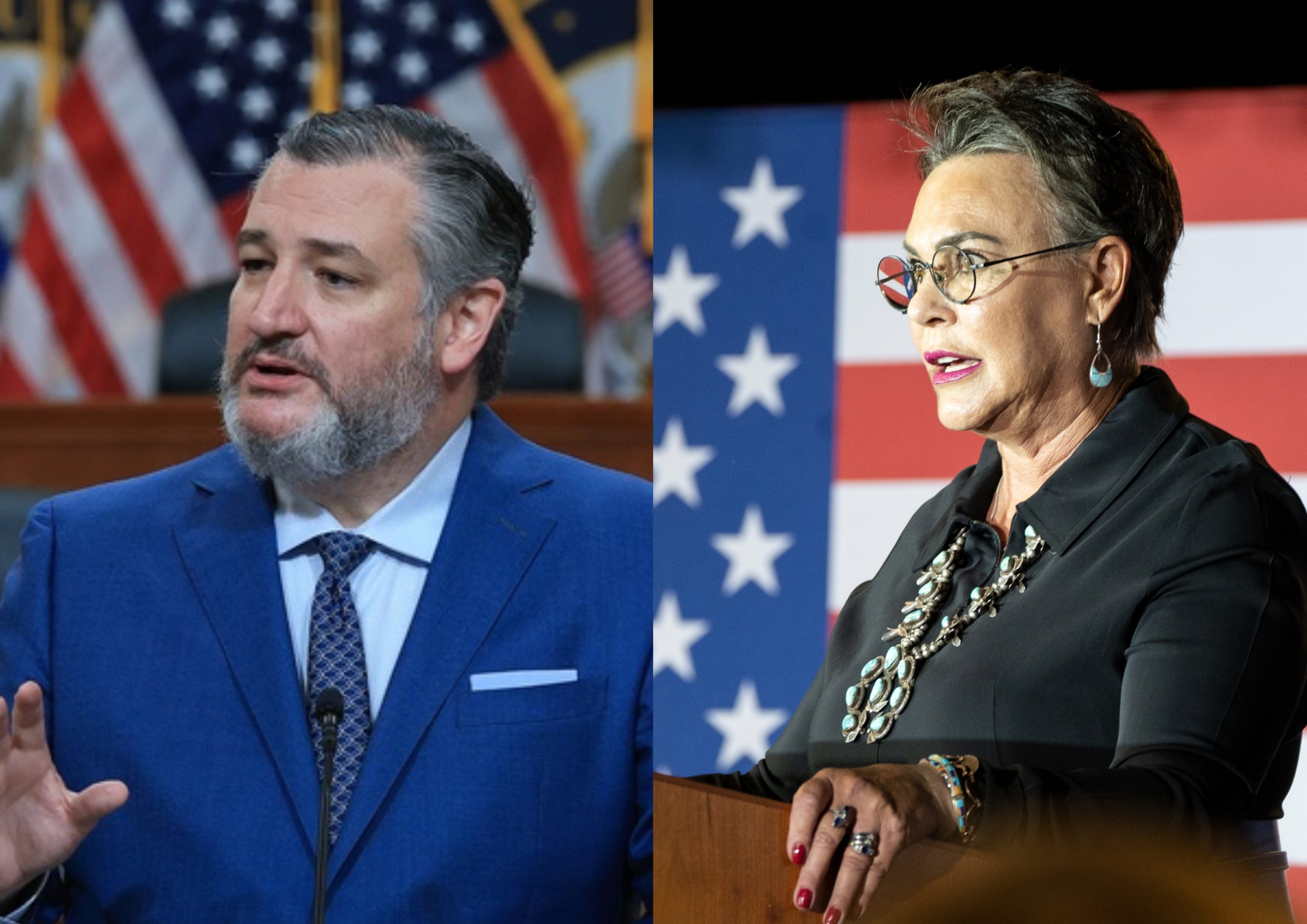
Senator Ted Cruz (R., Texas) and Representative Harriet Hageman (R., Wyo.) have introduced the Stop Climate Shakedowns Act in Congress. The proposal would bar states and municipalities from pursuing lawsuits or passing laws that seek to impose financial penalties on oil and gas companies for their alleged contribution to climate change.
Legislation details
The bill marks the first federal attempt to curtail the growing number of state‑level actions that target the fossil‑fuel sector. If enacted, it would nullify existing and future state lawsuits and statutes that aim to recover billions of dollars in damages.
Supporters' arguments
Cruz and Hageman contend that the state actions constitute an abuse of the judicial system, warning that they could raise energy prices, trigger job losses and place undue hardship on American families. They argue that climate‑related regulation is a national issue best handled by the federal government, not by a patchwork of state initiatives.
Opposition and criticism
Environmental organisations have denounced the measure, saying it grants oil firms "immunity" and shields them from accountability. The majority of the jurisdictions pursuing climate litigation are represented by the San Francisco‑based firm Sher Edling, which receives funding from left‑wing, environmentally focused nonprofits. This arrangement has prompted ethics concerns among some lawmakers and has led to at least one complaint filed with the IRS.
Democratic‑led states and cities argue that the bill would undermine their ability to address the urgent climate crisis and to hold corporations responsible for emissions. They view the proposal as an overreach of federal authority that would erode state sovereignty.
Legal context
Constitutional law scholar John Shu believes the legislation is likely to survive constitutional scrutiny, noting that it does not protect companies from intentional wrongdoing and aligns with the Constitution’s allocation of power over interstate and international matters to the federal government.
The Supreme Court is scheduled to hear a separate climate‑change case in the coming months, a decision that could influence the fate of the Stop Climate Shakedowns Act and the broader legal battles over corporate responsibility for greenhouse‑gas emissions.
As the bill moves through the legislative process, it is expected to encounter strong resistance from environmental groups, Democratic lawmakers and state attorneys general. Its ultimate success will depend on whether its sponsors can assemble a coalition capable of overcoming that opposition.