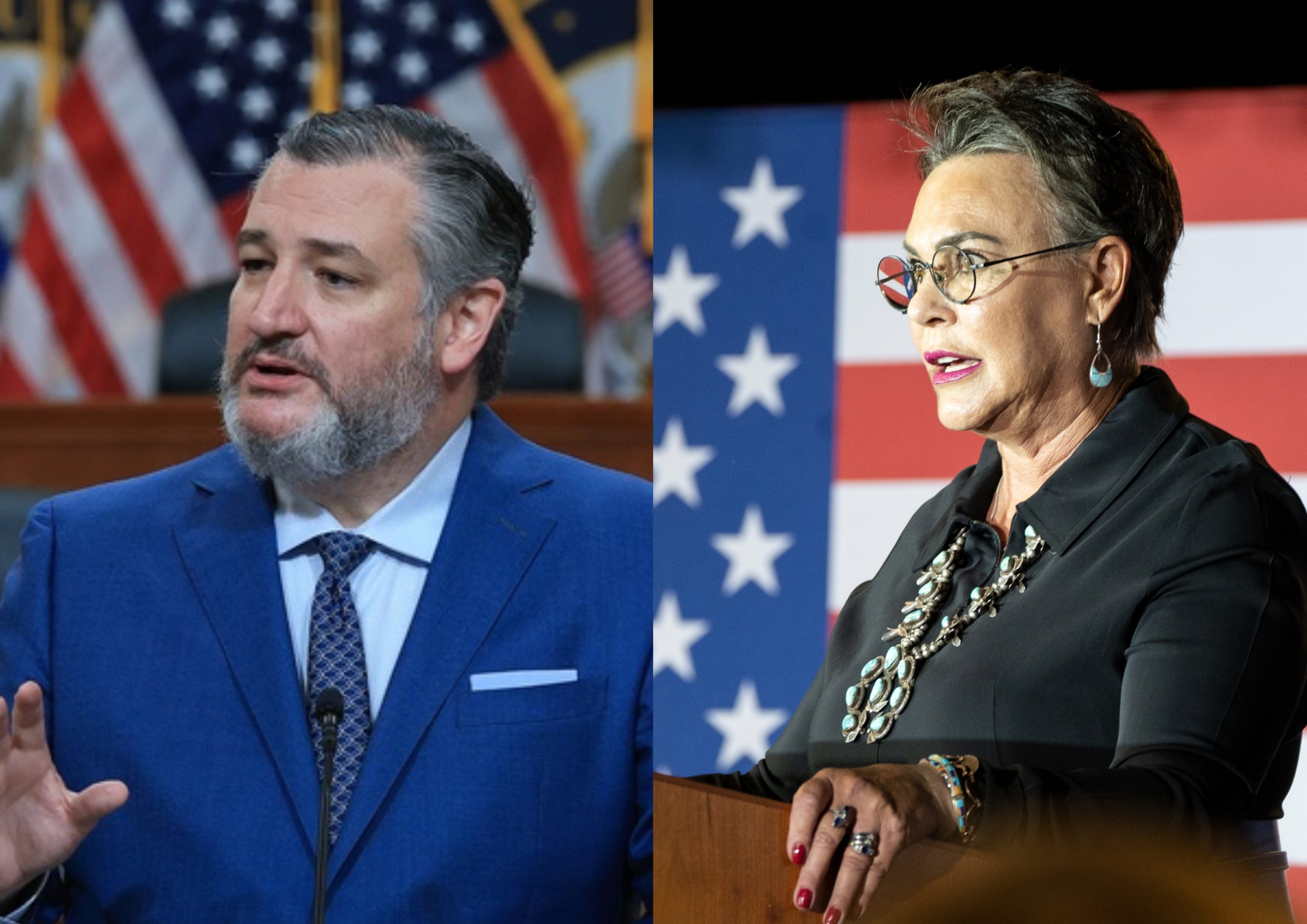
Republican lawmakers have introduced sweeping federal legislation aimed at blocking Democratic-led states and cities from pursuing lawsuits and laws targeting oil companies over climate change costs. The Stop Climate Shakedowns Act, authored by Sen. Ted Cruz (R., Texas) and Rep. Harriet Hageman (R., Wyo.), seeks to prohibit states from using litigation or legislation to force fossil fuel companies to pay for climate-related damages or fund environmental projects.
State-Level Climate Lawsuits Gain Momentum
More than two dozen Democratic-led states and cities, home to roughly a quarter of the U.S. population, have filed lawsuits accusing oil companies of misleading consumers about fossil fuels' environmental impact. These cases argue that companies should cover costs tied to extreme weather events linked to climate change, which Democrats attribute to human activity. New York and Vermont have passed laws requiring oil firms to pay hundreds of millions annually for infrastructure resilience, with New York's law mandating $75 billion over 25 years.
Constitutional Clash Over Federal Authority
Cruz and Hageman argue that state-level actions effectively regulate national emissions policy, a power they claim belongs to the federal government. "The Constitution's structure grants Congress, not states, authority over interstate and international issues like greenhouse gas emissions," said John Shu, a constitutional scholar. He contends the bill would not shield companies from proven wrongdoing but would prevent states from imposing extraterritorial climate policies.
Environmental groups, including the Center for Climate Integrity, oppose the legislation, calling it a "blanket immunity" grant to oil companies. The bill's sponsors counter that it protects energy jobs and prevents "meritless lawsuits" aimed at bankrupting the industry. Cruz accused radical environmental groups of weaponizing courts to raise energy costs for families, while Hageman warned that Democratic-led efforts could "increase the cost of everything" in American society.
The legal battle has already reached the Supreme Court, which dismissed Maryland's case earlier this year, ruling that state courts cannot regulate global emissions. A pending case from Boulder, Colorado, could further shape the legal landscape. Meanwhile, most plaintiff states and cities share the same outside law firm, Sher Edling, funded by left-wing environmental nonprofits, a arrangement that has drawn ethics complaints, including an IRS inquiry.