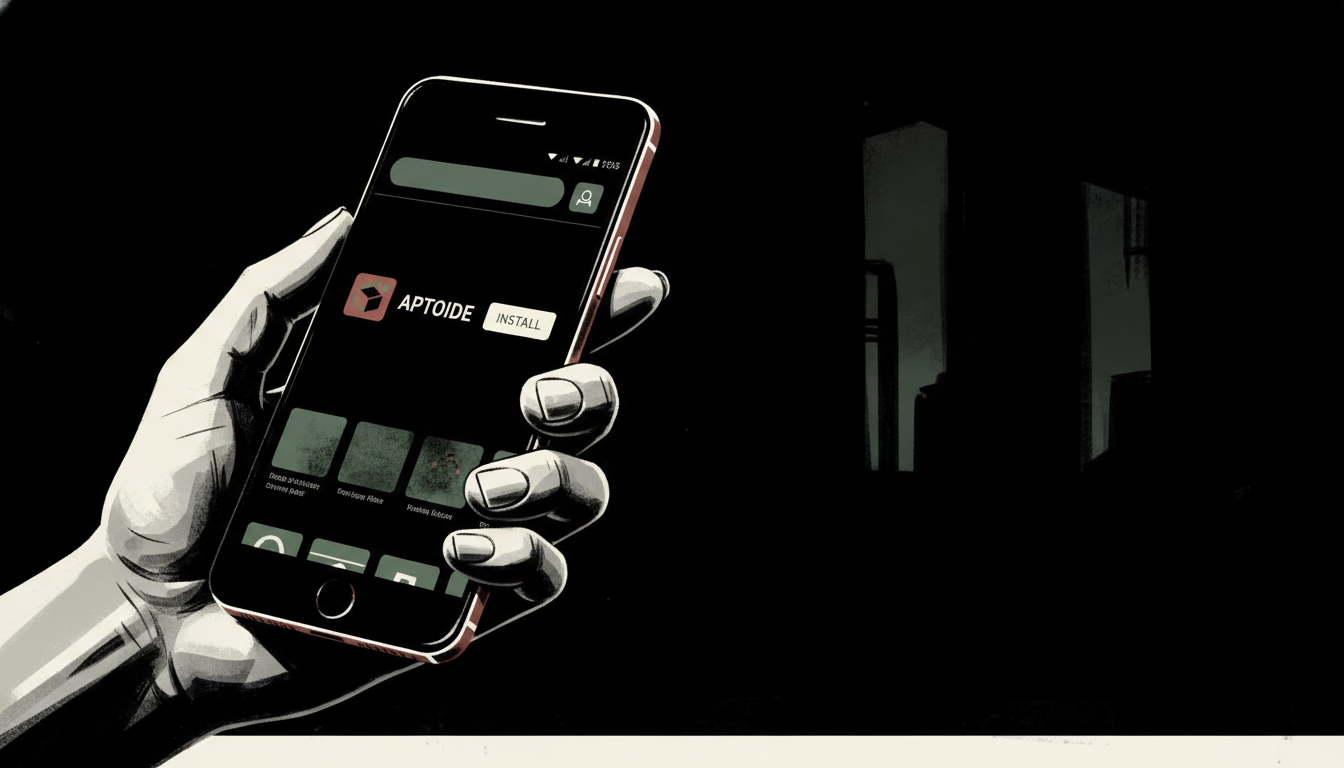
U.S. District Judge James Donato issued a binding order on August 13, 2026 that compels Google to remove a user‑interface element – the “view‑before‑install” button – and to ensure that third‑party Android app stores appear in ordinary Google Play Store search results. The judge described the existing steps as “anticompetitive friction” and gave Google one week to comply.
What the order mandates
The court’s directive targets three specific practices that have, until now, added extra clicks for users who wish to install a rival app store on an Android device. First, Google must eliminate the “view” button that currently precedes the “install” button when a user selects a third‑party store. Second, the order requires Google to surface rival stores in the same search results that display Google’s own apps, rather than relegating them to a separate banner page. Finally, Google must grant rival stores full access to its app catalog for a period of several years, a move that could broaden the range of apps available through alternative marketplaces.
Judge Donato’s order also specifies that searches for generic terms such as “store for apps” or for the name of a specific rival – for example, the Portuguese‑based Aptoide – must return normal app listings rather than a distinct “store” banner. The order’s language, as reported by The Verge, emphasizes that the current UI design creates unnecessary barriers for users and therefore violates antitrust principles.
Context: Epic Games’ courtroom demonstration
The timing of the order is notable. Just days earlier, Epic Games highlighted the same friction in a live courtroom demonstration, showing how the extra step slows the installation of a rival store. While the court’s decision does not reference Epic’s demo verbatim, the demonstration helped frame the issue as one of “anticompetitive friction,” a phrase that appears in Judge Donato’s ruling.
Epic Games, a major player in the video‑game industry with headquarters in North Carolina, has been engaged in a broader antitrust battle with Google over Android’s app‑distribution model. The recent order adds a concrete, enforceable remedy to that ongoing dispute, moving the conversation from abstract arguments to a specific change in the Play Store’s user experience.
Google’s response and compliance timeline
According to the court record, Google’s counsel agreed to comply with the order. The deadline set by the judge – one week from August 13, 2026 – gives the company a narrow window to redesign the Play Store UI, adjust its search algorithms, and implement the catalog‑access provisions for rival stores. No public statement from Google has been released at the time of writing, and the company’s internal roadmap for the changes remains undisclosed.
Google’s chief executive, Sundar Pichai, leads a firm headquartered in Mountain View, California, with a workforce of roughly 47,756 employees according to Wikidata. While the employee count is subject to verification against the company’s latest filings, it provides a sense of the scale of the organization that must now adjust a core component of its Android ecosystem.
Potential impact on Android users and rival stores
If implemented as ordered, the removal of the “view‑before‑install” button will streamline the path for users who wish to install a third‑party store. Instead of navigating a two‑step process – view then install – users will be able to tap a single “install” button, reducing friction and potentially encouraging more downloads of alternative marketplaces.
For rival stores such as Aptoide, which is based in Lisbon, Portugal, the requirement that searches for their brand name return normal app listings could increase visibility dramatically. Currently, a user searching for “Aptoide” on the Play Store is directed to a banner page that isolates the store from the broader app catalog. The order mandates that the same query appear alongside other apps, putting Aptoide on a more equal footing with Google’s own offerings.
The order also obliges Google to grant rivals full access to its app catalog for several years. While the exact technical specifications are not detailed in the court filing, the provision suggests that rival stores will be able to list a wider array of apps, potentially expanding their user base and revenue streams.
Uncertainties and next steps
- Exact technical implementation: The court order does not spell out the UI design specifications, leaving Google to determine how best to remove the button while preserving security and user experience.
- Enforcement monitoring: The order sets a compliance deadline but does not outline a post‑implementation monitoring regime. It is unclear whether the court will require periodic reporting or a follow‑up hearing.
- Long‑term market effects: While the order removes a specific barrier, broader questions remain about how the change will affect Google’s Play Store revenue, which is derived in part from fees on app sales and in‑app purchases. No figures are provided in the source material to quantify potential financial impact.
What is clear from the filing is that the judge views the “view‑before‑install” step as an unnecessary obstacle that gives Google an unfair advantage over rival stores. By ordering its removal, the court has set a precedent that could influence future antitrust actions involving platform design choices.
What remains unknown
The public docket does not disclose the precise language of the deadline beyond “one week from the order.” It also does not specify whether Google must provide a public notice of the UI change or how the company will verify that searches for rival store names now return normal listings. Finally, the order’s reference to “full access to Google’s app catalog for several years” lacks detail on the scope of that access – whether it includes all categories of apps, how updates will be handled, or any revenue‑sharing arrangements.
Stakeholders – from developers to consumers – will be watching closely as Google rolls out the changes. The next week will reveal whether the company can meet the court’s timeline and how the revised Play Store experience will look in practice.
For further context on the broader dispute between Epic Games and Google, see State Beacon’s ongoing coverage of the antitrust saga.