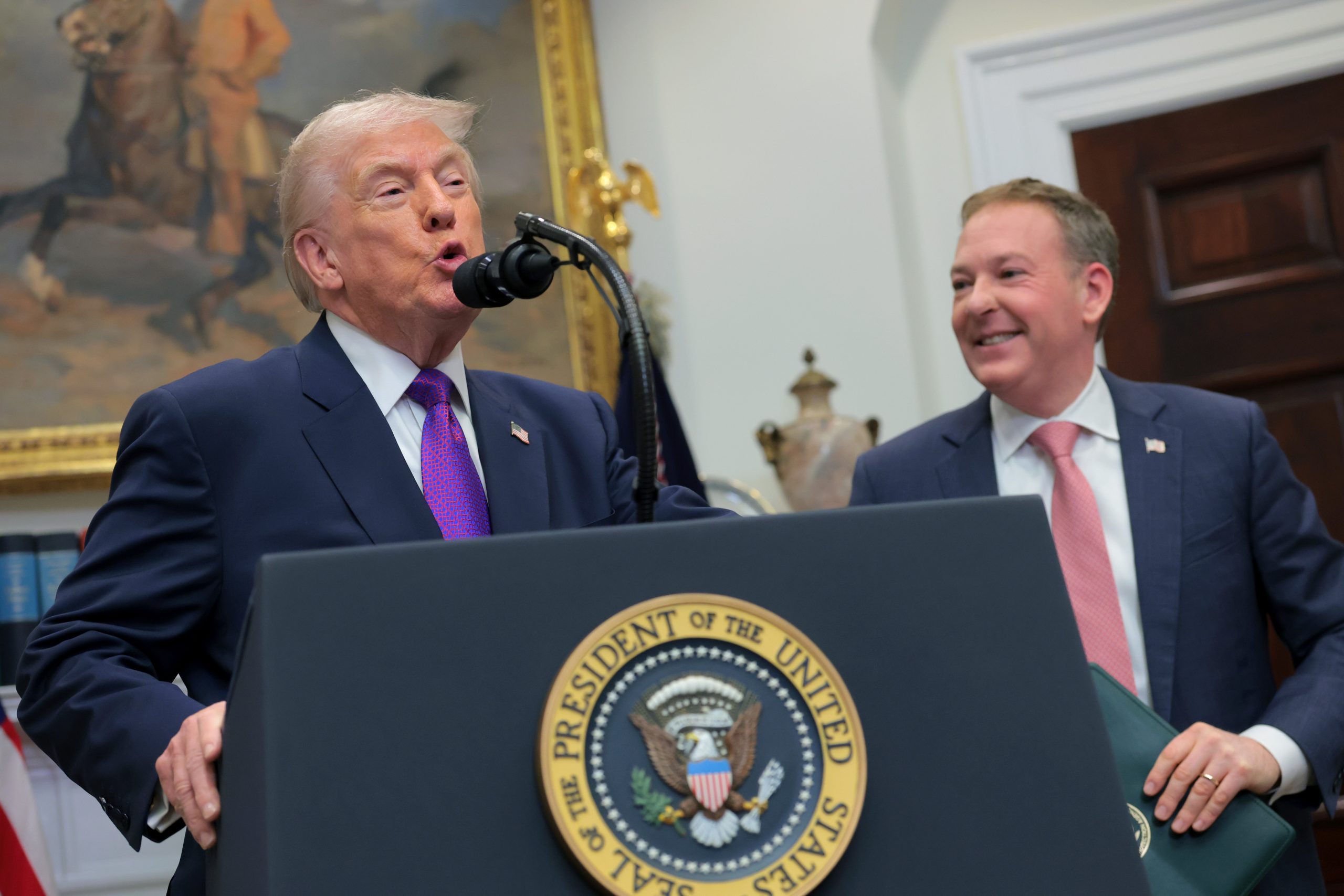
The Environmental Protection Agency is preparing a proposal that would eliminate every remaining federal regulation that limits greenhouse‑gas emissions from U.S. power plants, EPA Administrator Lee Zeldin said on Monday. The agency argues the rules, put in place during the Biden administration, provide "virtually no benefit" and that their removal will save consumers and industry billions of dollars.
Zeldin is expected to unveil the plan at the G20 Energy Abundance Ministerial in Houston, where he will appear alongside Energy Secretary Chris Wright and Interior Secretary Doug Burgum. In a statement to the Washington Free Beacon, Zeldin framed the action as a defense of "American energy" and promised lower electricity bills for households and businesses.
The EPA's own calculations estimate that scrapping the Biden‑era rules will save $310 billion in overall costs. A separate estimate puts direct compliance savings for power companies at $370 million, with additional downstream reductions in electricity rates for consumers. The agency says the changes will also extend the operating lives of existing coal‑fired plants and make it easier for developers to build new natural‑gas facilities.
Those claims contrast sharply with the rationale behind the regulations that the Biden EPA finalized in 2024. The 2024 rules required existing coal plants that wished to operate beyond 2039 to capture 90 percent of their carbon emissions by 2032, and they imposed similar carbon‑capture requirements on new gas‑fired plants. The administration projected that the standards would cut national greenhouse‑gas emissions by 617 million metric tons through 2042 and would lower health‑related costs linked to air pollution.
Critics of the Biden rules, including the Edison Electric Institute and four regional grid operators that manage the bulk power system for more than 150 million Americans, argued that the standards would jeopardize grid reliability. Those operators warned that forced retirements of coal units and restrictions on new gas plants could push reliability "to concerning levels." The industry's legal challenge has been ongoing since the rules were issued.
In its forthcoming proposal, the EPA will assert that it lacks statutory authority to regulate power‑plant greenhouse‑gas emissions on the basis of climate‑change science. The agency's draft language describes the emissions as "global in nature" and says any public‑health impacts are "too uncertain, conjectural, remote and convoluted to tie specifically to the U.S. power sector." This reasoning mirrors a February 2026 EPA determination that emissions from gasoline‑powered vehicles do not pose a direct public‑health threat.
Assistant Administrator for Air and Radiation Aaron Szabo emphasized the administration's focus on affordability. "Energy costs are a regressive form of taxation," Szabo told the Free Beacon. "The people who are hurt most by rising energy costs are the poorest in the country. This is something that's going to help all Americans, but especially those who need the money the most right now."
The proposed repeal would not affect EPA rules that limit hazardous air pollutants such as sulfur dioxide, nitrogen oxides, or particulate matter. Those standards remain in place to protect public health from smog and respiratory hazards.
Understanding the scope of the EPA's authority helps explain why the agency's move is politically charged. The Clean Air Act gives the EPA the power to regulate pollutants that endanger public health or welfare. In 2007, the Supreme Court ruled in *Utility Air Regulatory Group v. EPA* that the agency could regulate greenhouse gases under the Act, a decision that underpinned the Biden administration's climate rules. The Trump administration has repeatedly challenged that interpretation, arguing that the statute does not extend to emissions that are "global" rather than localized.
The policy shift also has implications for cross‑border energy markets. Canada and the United States share a tightly integrated electricity grid, especially in the Northeast and the Pacific Northwest. Canadian utilities have invested in renewable projects that rely on U.S. transmission capacity. A rollback of U.S. emissions standards could affect the economics of those projects and alter the balance of clean‑energy trade between the two countries.
From a political standpoint, the EPA's proposal arrives as the 2024 midterm elections approach in several key swing states where energy costs are a prominent voter concern. Republican candidates in states such as Pennsylvania, Ohio and Michigan have campaigned on promises to lower electricity bills and revive coal and gas jobs. A federal move that promises cheaper power could become a talking point in those races, while Democratic lawmakers are likely to frame the repeal as a step back for climate action and public‑health protection.
Environmental groups have already signaled their intent to challenge the EPA's proposal in court. Organizations such as the Sierra Club and the Natural Resources Defense Council argue that the agency's claim of lacking authority conflicts with established Supreme Court precedent. They also contend that the economic savings cited by the EPA ignore the long‑term costs of climate change, including more frequent extreme weather events that can disrupt power supplies.
In the broader context of U.S. energy policy, natural gas currently supplies about 40 percent of the nation's electricity, according to the Energy Information Administration's 2025 data. Coal accounts for roughly 17 percent, while wind and solar each contribute less than coal. The Biden administration's climate agenda sought to shift the mix toward renewables by imposing stricter emissions standards on the most carbon‑intensive sources. The Trump EPA's reversal aims to keep coal and gas plants operating longer, arguing that this will meet growing electricity demand and keep prices low.
Whether the proposed repeal will survive legal scrutiny remains uncertain. Past attempts by the Trump administration to roll back climate regulations have been blocked or delayed by courts, and the Supreme Court's composition could influence future outcomes. For now, the EPA's draft proposal signals a decisive policy shift that will likely generate intense debate in Congress, the courts and the public arena.
Stakeholders on both sides of the issue will be watching the G20 Energy Abundance Ministerial closely. The meeting, which gathers energy ministers from the world's largest economies, could provide an international stage for the United States to showcase its new energy stance. Canadian officials attending the summit may use the forum to highlight the importance of coordinated climate policies and the risks of divergent regulatory approaches.
As the EPA prepares to file its formal rulemaking, the agency will open a public comment period, a standard step that allows industry, environmental groups and citizens to weigh in. The final rule could take months to finalize, and any legal challenges could extend the timeline further. In the meantime, the proposal has already sparked a fresh round of political attacks, with Democrats accusing the administration of abandoning climate commitments and Republicans heralding the move as a win for affordable energy.