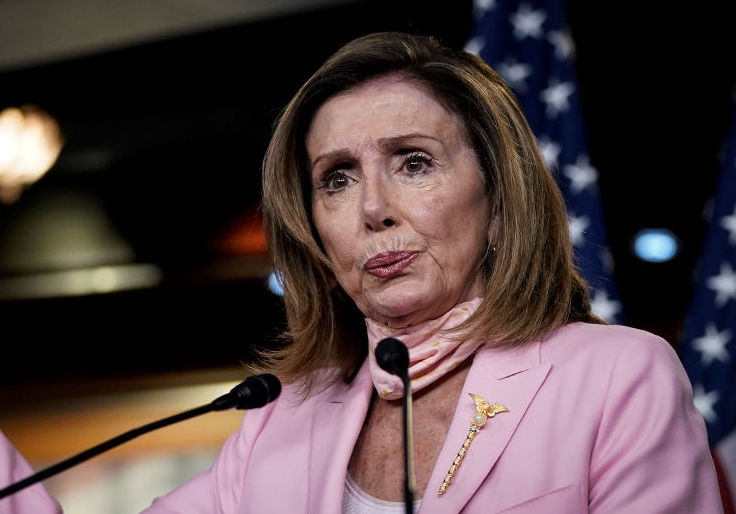
Nancy Pelosi announced in early 2024 that she will not seek re‑election, ending a congressional career that began with her 1987 victory in California's 12th district. The decision follows a decade in which she twice held the gavel of the House of Representatives, first from 2007 to 2011 and again from 2019 to 2023.
Born in Baltimore in 1940, Pelosi grew up in a family steeped in Democratic politics. Her father, Thomas D'Alesandro Jr., served as a U.S. congressman and later as mayor of Baltimore. After working for the California Democratic Party for several decades, she won a seat in the House at age 46 and has been re‑elected every two years since.
During her tenure, Pelosi became known for her ability to marshal votes on major legislation, from the 2009 stimulus package to the 2021 American Rescue Plan. As speaker, she controlled the House agenda, appointed committee chairs, and negotiated with the Senate and the White House on budget and policy matters. Her leadership style, described by colleagues as both disciplined and pragmatic, helped the Democratic caucus maintain a narrow majority in a closely divided chamber.
Pelosi's district, which encompasses most of San Francisco, is one of the nation's safest Democratic seats. In the 2020 presidential election, President Joe Biden received 86 percent of the vote there, according to the California Secretary of State. Pelosi herself earned 78 percent of the vote in the same cycle, a margin that underscored the district's partisan lean.
Financial disclosures filed with the House Ethics Committee estimate Pelosi's net worth at more than $115 million. The bulk of that wealth is tied to her husband, Paul Pelosi, a venture‑capital executive who has invested in real estate and technology firms. While Pelosi's assets place her among the wealthiest members of Congress, they also draw scrutiny from watchdog groups that argue such wealth creates a perception gap between elected officials and average Americans.
Critics have highlighted several incidents that they say illustrate a disconnect between Pelosi's public positions and personal circumstances. In 2020, she faced media attention after a video showed her receiving a haircut at a salon that was operating under pandemic restrictions. The episode sparked debate over the enforcement of public health rules for elected officials. Earlier, a report noted that her household maintains a freezer stocked with premium ice cream, a detail that opponents used to question her empathy for constituents facing economic hardship.
Pelosi has also been a frequent target of personal attacks that employ nicknames and pejorative language. While such rhetoric is common in contemporary political discourse, it often obscures substantive policy disagreements. For example, her opposition to certain gun‑control measures is framed by opponents as an "anti‑Second Amendment" stance, whereas Pelosi has argued that responsible regulation is necessary to address rising gun violence.
The speaker's role is constitutionally significant. The Constitution designates the speaker as the presiding officer of the House, third in the line of presidential succession, and a key figure in shaping legislative priorities. In practice, the speaker decides which bills reach the floor, negotiates with the Senate's leadership, and represents the chamber in dealings with the executive branch. Pelosi's two stints as speaker therefore gave her considerable influence over national policy, from health care reform to foreign‑policy decisions.
Understanding how a speaker is chosen helps explain the stakes of Pelosi's departure. After each biennial election, the party that holds a majority of the 435 House seats convenes a caucus meeting to elect its leader. The elected speaker must then receive a formal vote of the full House. In a closely divided chamber, the speaker's ability to keep the caucus united can determine whether the majority party can pass its agenda or faces a series of procedural defeats.
Pelosi's exit opens a rare opportunity for a new Democratic representative in a district that rarely sees competitive races. Potential candidates include local city officials, progressive activists, and business leaders who have expressed interest in continuing the district's liberal legacy. The Democratic Party's state committee is expected to endorse a successor early in the filing period to avoid a contested primary that could drain resources. In California, the filing deadline for congressional candidates typically falls in early March, and the state's "top‑two" primary system means that the two highest‑vote‑getting candidates, regardless of party, advance to the November ballot.
Beyond the district, Pelosi's departure marks the end of an era for the House Democratic caucus. Her ability to negotiate bipartisan agreements on infrastructure and budget matters set a precedent for future leaders. Analysts note that the next speaker will inherit a chamber still grappling with internal divisions over the party's direction, especially on issues such as climate policy, health‑care expansion, and the approach to China. The Democratic caucus currently includes a mix of moderate members from swing districts and progressive members from safe urban districts, a balance that any new speaker must manage to avoid a split vote on key legislation.
The procedural implications of a new speaker also affect the Senate‑House dynamic. The Senate, controlled by the same party, often relies on the speaker to coordinate timing for budget reconciliation bills, which require a simple majority and cannot be filibustered. A speaker who can quickly marshal votes can accelerate the passage of such bills, while a speaker who faces internal dissent may see the Senate's agenda stall.
For American readers, the transition may influence the pace of policy initiatives that have direct impact on daily life, such as the rollout of pandemic relief funds, infrastructure spending, and immigration reform. For Canadian readers, the speaker's stance on trade and border security matters is relevant because the United States and Canada share the world's largest bilateral trade relationship. A speaker who prioritizes stable trade policies can help maintain the flow of goods across the border, while a speaker focused on protectionist measures could introduce uncertainty for Canadian exporters.
Pelosi's legacy is likely to be judged on both her legislative achievements and the controversies that accompanied her long service. As she prepares to leave the Capitol, former colleagues and political observers alike will assess how her leadership shaped the Democratic agenda and how her personal wealth influenced public perception of elected officials. The coming months will reveal who steps into the speaker's chair, how the new leader navigates the party's internal factions, and whether the House can sustain the level of legislative productivity that characterized Pelosi's tenure.