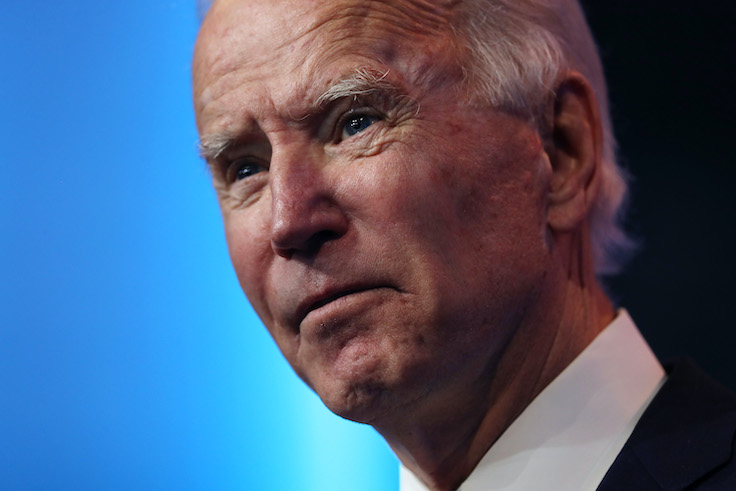
A website that bills itself as "Enemies of Freedom" posted a lengthy article on Thursday that brands President Joe Biden an "enemy of freedom" and levels a series of unverified accusations ranging from personal misconduct to alleged policy betrayals. The piece, which appears to be written by an anonymous contributor, mixes factual references to Biden's long career with sensationalist language and claims that have not been substantiated by any court or investigative body.
Joe Biden entered the U.S. Senate in 1972 at the age of 29, making him one of the youngest senators in modern history. He served six terms before becoming the running mate of Barack Obama in 2008 and serving two terms as vice president from 2009 to 2017. After two unsuccessful presidential bids in 1988 and 2008, Biden won the 2020 election at age 78, becoming the oldest person ever inaugurated to the White House. Concerns about his health have been a recurring theme in the media, but the White House has released regular medical summaries indicating that he is fit to serve. In his first weeks in office, Biden signed more executive orders than any president since Franklin D Roosevelt, a fact the fringe article highlights as evidence of overreach. He has also proposed large‑scale spending packages aimed at expanding infrastructure, clean energy, and social programs, initiatives that Democrats argue are necessary to modernize the economy while critics label them fiscally reckless.
The article alleges that Biden sexually assaulted a former Senate intern, that he "denies the existence" of a grandchild linked to his son Hunter, and that he has "mimicked ethnic accents" in public speeches. None of these claims have been corroborated by law enforcement or reputable news outlets. The Department of Justice has not announced any investigation into the alleged assault, and the claim about a grandchild stems from a court filing in Arkansas that has not been verified by independent sources. Biden's spokesperson has not responded to the specific allegations, but the White House has previously dismissed rumors about Hunter's personal life as private matters unrelated to the president's duties.
Political attacks on Biden are not new. Since his 2020 victory, Republican leaders and conservative media have frequently questioned his age, mental acuity, and policy agenda. What distinguishes the "Enemies of Freedom" piece is its reliance on inflammatory nicknames, personal insults, and a narrative that frames Biden as a deliberate threat to liberty. This style mirrors a broader trend in American politics where fringe outlets use hyperbolic language to mobilize a base that feels alienated by mainstream discourse.
Fringe websites like this one operate outside the traditional news ecosystem. They often lack editorial oversight, fact‑checking procedures, and transparent funding disclosures. Their content can spread quickly on social media platforms that amplify sensational headlines. Researchers at the Pew Research Center have noted that a small number of extremist sites generate a disproportionate share of political misinformation, especially during election cycles. While the reach of "Enemies of Freedom" is limited compared to major outlets, its articles can be shared by high‑profile partisan figures, giving them a wider audience than the site's traffic alone would suggest.
Fact‑checking organizations have begun to address the most egregious claims in the article. PolitiFact rated the allegation of a sexual assault as "unproven," noting that no credible evidence has emerged and that the claim appears to be based on anonymous sources. FactCheck.org similarly labeled the grandchild story as "unverified," pointing out that the court documents cited have not been publicly released and that the president's office has not confirmed any such denial. These assessments underscore the importance of distinguishing between legitimate policy criticism and unfounded personal attacks.
The timing of the article is notable. Republicans regained control of the House of Representatives in the 2022 midterms and have signaled an interest in pursuing impeachment inquiries against Biden. While impeachment requires a majority vote in the House and a two‑thirds vote in the Senate, the prospect of launching an inquiry has been used by some GOP leaders to rally their base. The fringe piece's call for impeachment reflects this broader strategy, even though legal scholars argue that the constitutional threshold for impeachment is high and that no concrete evidence of wrongdoing has been presented.
In response to the surge of extremist rhetoric, the Biden administration's communications team issued a brief statement emphasizing the president's focus on "delivering results for American families" and urging the public to rely on "verified information from reputable sources." The statement did not address each specific allegation but reiterated the administration's commitment to transparency and accountability.
Analysts warn that the spread of unverified claims can erode public trust in institutions. A 2023 survey by the American Enterprise Institute found that a significant share of voters consider "fake news" a major problem, and that exposure to sensationalist content can influence opinions about elected officials. For policymakers, the challenge lies in countering misinformation without appearing to suppress free speech, a balance that has become increasingly delicate in the digital age.
Looking ahead, experts expect that monitoring groups will continue to track the output of extremist sites, especially as the 2024 presidential election approaches. The Federal Election Commission has not indicated any violations related to the article, but the Department of Justice could become involved if credible evidence of criminal conduct emerges. Meanwhile, mainstream media outlets are likely to reference the piece as an example of the fringe rhetoric that shapes the current political climate, providing context and fact‑checking for their audiences.
In sum, the "Enemies of Freedom" article illustrates how fringe platforms can amplify unverified accusations against a sitting president, blending kernels of truth with speculation and personal attacks. While the claims themselves lack substantiation, the piece contributes to a polarized environment where political discourse is increasingly defined by sensationalism rather than policy debate. Observers will watch how both parties navigate this terrain as the nation moves toward another contentious election cycle.