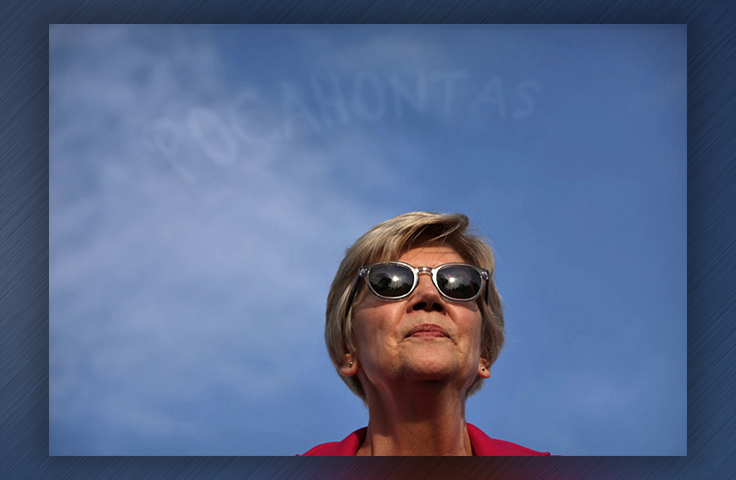
Senator Elizabeth Warren of Massachusetts unveiled a sweeping education blueprint in April that would spend roughly $1.3 trillion over a decade to make tuition free at public colleges and universities, expand Pell Grants and forgive a portion of existing student debt. The plan, announced on the anniversary of the Russian revolutionary Vladimir Lenin's birth, has become a flashpoint in the broader debate over how the Democratic Party should address rising college costs and the role of private schooling.
Warren, a former Harvard Law professor and the 2020 Democratic presidential nominee, has built a reputation as a consumer‑protection advocate and a champion of progressive taxation. Her education agenda reflects that philosophy, proposing to fund the initiative through a combination of higher marginal tax rates on households earning over $400,000, a modest increase in the corporate tax rate, and a new "wealth tax" on the nation's richest families. The Congressional Budget Office, when asked to model a similar proposal, estimated that a $1.3 trillion outlay would add roughly 0.4 percentage points to the federal deficit over ten years, a figure that Democrats argue could be offset by closing loopholes and increasing revenue from wealthier taxpayers.
The proposal's centerpiece is tuition‑free attendance for students whose families earn less than $125,000 per year. For those above that threshold, the plan would double the maximum Pell Grant award and provide a sliding scale of loan forgiveness tied to income. Warren told a press conference that "no American should have to choose between a college degree and a lifetime of debt." Critics, however, contend that the plan could inflate tuition prices if colleges raise fees in response to the influx of federal money, a concern echoed by the Heritage Foundation and several Republican lawmakers.
While Warren's free‑college vision has energized progressive activists, her stance on school choice has drawn fire from conservatives and some moderate Democrats. Warren has consistently opposed voucher programs that divert public funds to private schools, arguing that they undermine public‑school funding and exacerbate segregation. In a 2021 Senate hearing, she warned that "public education is a public good that cannot be commodified." Yet the senator's personal decision to enroll her son in a private school in the Boston area has been highlighted by opponents as a contradiction. Warren has responded that her family's choice was based on the specific needs of her child and does not change her policy position, a nuance that often gets lost in partisan sound bites.
The political stakes of the education debate are high. In the 2022 midterms, education funding emerged as a top issue for voters in swing districts, particularly among younger constituents burdened by student loans. A Pew Research Center poll released in March showed that 62 percent of adults aged 18‑34 consider college affordability a "very important" issue, while 48 percent said they would be more likely to support a candidate who pledged to make college tuition free. For Democrats, Warren's plan offers a rallying point to energize that demographic, but it also risks alienating moderate voters who worry about tax increases.
Republican leaders have seized on the proposal to paint the Democratic agenda as fiscally reckless. Senate Majority Leader Mitch McConnell, in a recent floor speech, called the plan "a massive giveaway that would push the national debt to unsustainable levels." House Republicans have introduced a counter‑proposal that would replace tuition‑free college with a "college savings tax credit," arguing that the latter would be more targeted and less costly. The two sides are unlikely to reach a compromise before the 2024 election, but the clash is shaping campaign narratives on both coasts.
Beyond the partisan arena, education experts are divided on the plan's practical impact. The Brookings Institution's education policy division noted that tuition‑free programs in states like Tennessee and New Mexico have increased enrollment among low‑income students, but also observed that enrollment spikes can strain campus resources if not paired with expanded faculty hiring. The American Association of University Professors warned that "any federal tuition‑free initiative must be accompanied by safeguards to protect academic quality and institutional autonomy." Warren's team has pledged to allocate a portion of the funding to hiring additional faculty and expanding student support services, though the details remain under negotiation.
Warren's education agenda is part of a broader legislative push that includes her work on the Senate Banking Committee, where she has championed stricter oversight of financial institutions and advocated for consumer‑friendly reforms. Her influence on the committee has helped shape the Dodd‑Frank Act's recent amendments, and she continues to push for stronger regulations on fintech firms. The intersection of financial regulation and education funding is evident in her proposal to tax large financial transactions, a "financial activity tax", to help fund the free‑college plan.
The upcoming Senate calendar will determine how far Warren's proposals travel. The Senate Finance Committee, chaired by Senator Ron Wyden, is slated to hold hearings on higher‑education financing in the next month. Warren is expected to testify, outlining the projected revenue streams and addressing concerns about inflationary pressure. If the committee votes to move the proposal forward, it would still need to clear the Senate Appropriations Committee and survive a potential filibuster, a hurdle that requires at least 60 votes.
For voters in Massachusetts, the plan has already sparked local debate. Boston public‑school teachers' unions have expressed cautious support, emphasizing the need for increased funding for K‑12 schools to complement any college‑level reforms. Meanwhile, the Massachusetts Republican Party has launched a statewide ad campaign warning that the plan would raise property taxes to cover the shortfall. The state's mixed‑government composition means that any federal education legislation will have to navigate both partisan and regional interests.
In the broader context of the 2024 election, education policy is emerging as a wedge issue that could influence swing states such as Pennsylvania, Michigan and Wisconsin. Both Democratic and Republican presidential candidates have signaled that they will address college affordability, but their approaches differ sharply. While former President Joe Biden has pledged to expand existing loan forgiveness programs, Warren's more expansive free‑college vision offers a distinct alternative that could shape primary battles within the Democratic Party.
As the debate unfolds, Warren's proposals are likely to remain a focal point for progressive activists who view tuition‑free college as a civil right, as well as for fiscal conservatives who see it as an untenable expansion of federal spending. The outcome will depend on a combination of legislative maneuvering, public opinion, and the ability of both parties to frame the issue in a way that resonates with voters who are increasingly concerned about the cost of higher education.