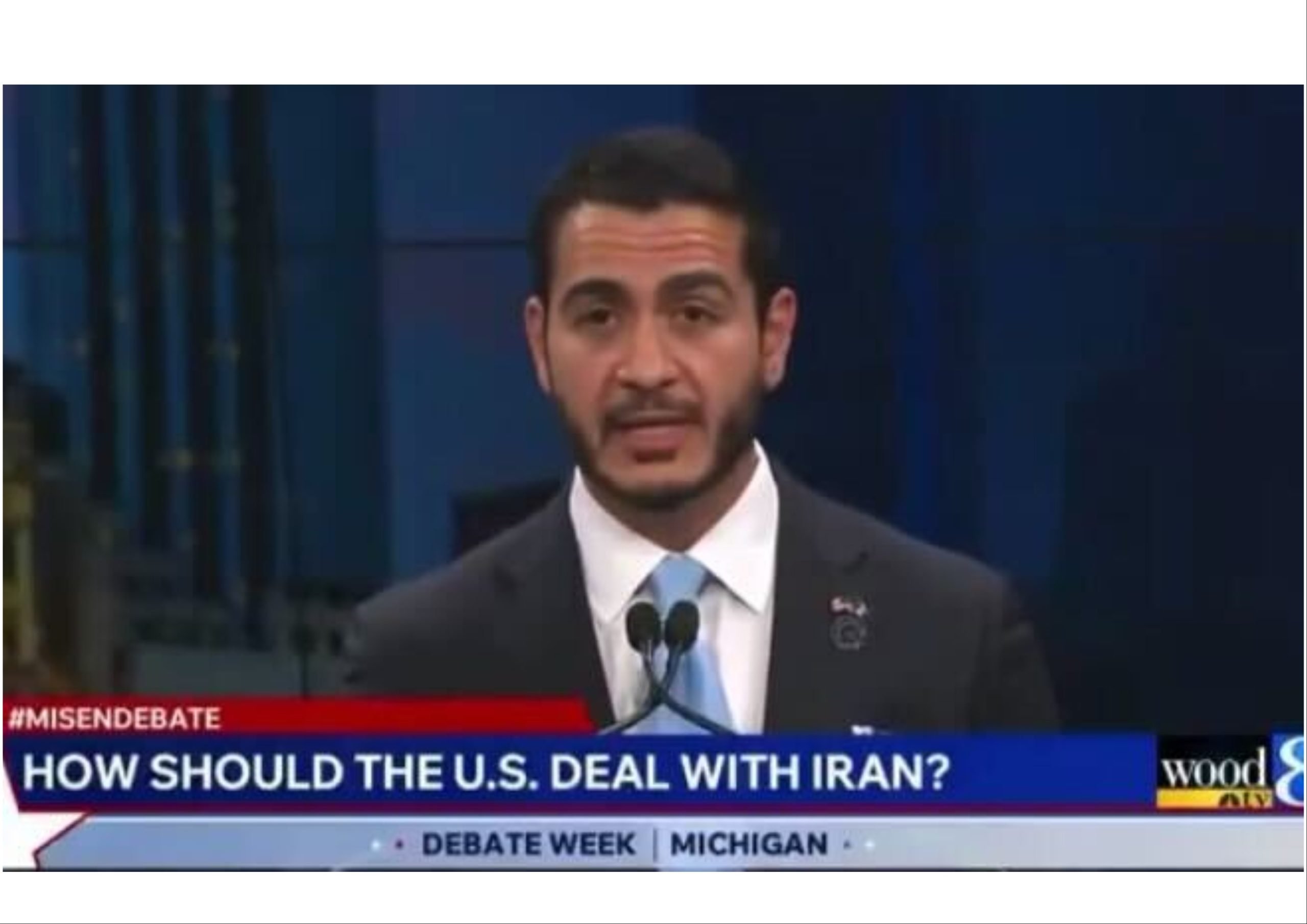
Michigan Democratic Senate candidate Abdul El‑Sayed used his inaugural one‑on‑one debate with Rep. Haley Stevens to focus almost entirely on Israel and the influence of the American Israel Public Affairs Committee (AIPAC). He argued that the Jewish state is shaping US policy on artificial intelligence, the national debt and even the direction of the Democratic Party under Senate minority leader Chuck Schumer.
When pressed on whether AI should be regulated, El‑Sayed replied that he was "being outspent 30-to-1 in this race" and that "that money is coming in from the American Israel Public Affairs Committee ." He said the funding is used to sway government decisions and called for reforms to campaign finance.
On the issue of the national debt, he urged an end to “stupid wars we shouldn’t be fighting at the behest of foreign governments”, blaming Israel for drawing the United States into a potential conflict with Iran and citing AIPAC’s role in US foreign policy.
The debate marked the first direct confrontation between the two candidates since state senator Mallory McMorrow withdrew from the race earlier this week. The Democratic primary is set for 4 August, with the victor slated to challenge Republican Mike Rogers in the November general election.
According to a poll commissioned by a super‑PAC supporting El‑Sayed, he leads Stevens by 20 points. His campaign has centred on accusations that Israel and AIPAC are buying off politicians, while deliberately avoiding criticism of the Iranian regime – a stance that has provoked controversy among some voters.
When asked whether the Democratic Party is drifting too far to the left, El‑Sayed responded that the party must represent ordinary people rather than special interest groups.
First reported by the original source.