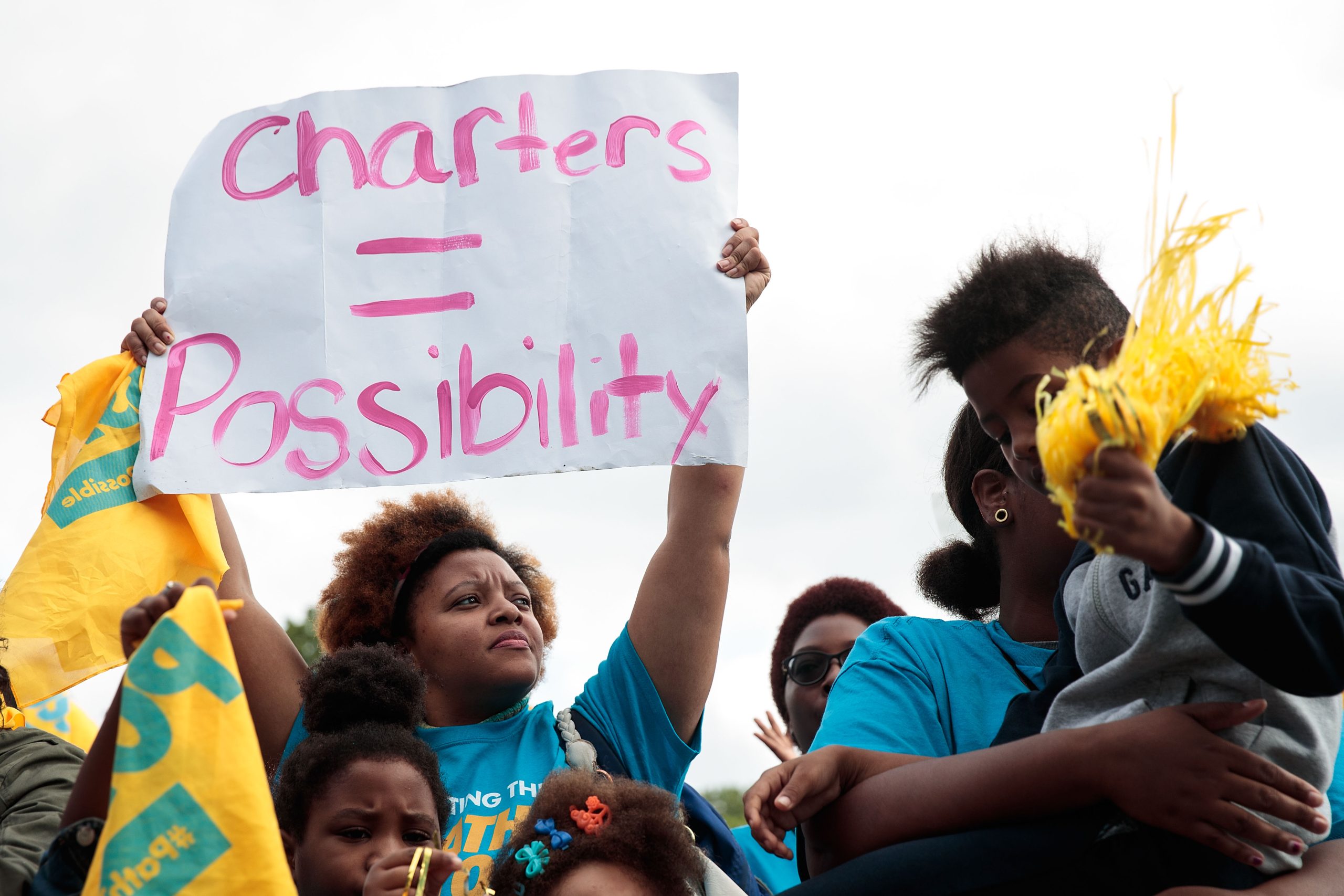
State‑wide results for 2025 reveal that charter schools occupy the bulk of the top‑100 public schools in New York City when judged by mathematics and English Language Arts examinations. Of the hundred schools with the highest maths scores, 59 are charter institutions; in English, charter schools number 53.
These schools are disproportionately situated in neighbourhoods such as the Bronx, Harlem and parts of Brooklyn – areas not typically linked with high property wealth. Their student bodies are also predominantly economically disadvantaged, with 80‑90 % qualifying for free or reduced‑price meals, yet they report proficiency rates exceeding 90 % in both subjects.
Data versus narrative
The city and state education portals publish individual school report cards, but they do not provide a straightforward way to compare scores across schools. This lack of comparative tools may unintentionally protect traditional public schools from direct scrutiny, even as the figures highlight charter schools’ relative success.
The findings stand in stark contrast to a recent New York Times article titled "As Income Gap Grows, So Do Fears Over Access to a Quality Education". That piece focused on parental anxieties about inequality and did not mention the charter schools’ performance. When approached for comment, reporter Troy Closson did not respond.
The Times story quoted Stanford professor Sean Reardon, whose work on income and academic achievement has been contested by fellow Stanford academic Eric Hanushek. Critics of the narrative argue that such commentary often overlooks hard data, such as the over‑90 % proficiency rates achieved by charter schools serving largely low‑income populations.
Policy background
The expansion of charter schools in New York traces back to a 1998 state law championed by then‑Governor George Pataki (R). The legislation paved the way for networks like KIPP and Success Academy to focus on high‑need districts.
Standardised test‑based rankings remain a legally mandated metric under both federal and state accountability frameworks, despite ongoing debate about their suitability. Education analysts point out that other indicators – college enrolment, teacher satisfaction, long‑term economic outcomes – could also gauge school quality, yet test scores continue to dominate policy discussions.
"If the goal is teaching reading and math," one charter advocate stated, "the data speaks for itself."
These results suggest that, at least in the narrow domain of state‑tested literacy and numeracy, charter schools are outperforming many traditional public schools, raising questions about how success is measured and reported.