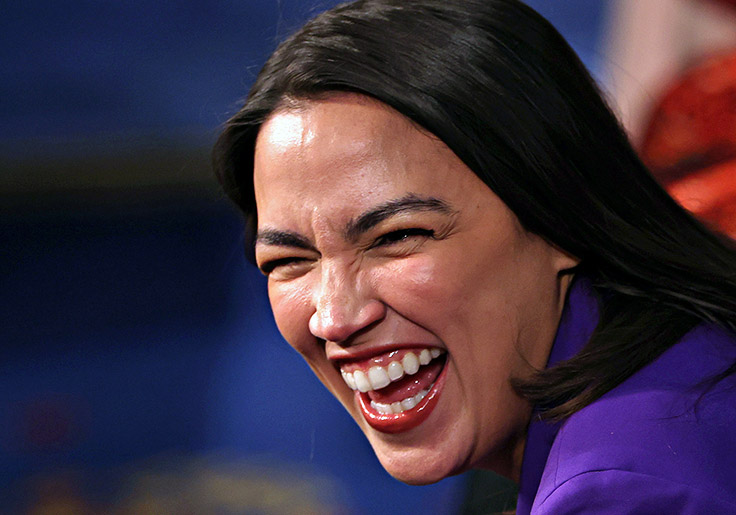
On a nationally televised interview earlier this month, Rep. Alexandria Ocasio‑Cortez described the wave of progressive language that emerged during the COVID‑19 lockdown as "crazy." She added, "During lockdown, of course, rhetoric in that time is not rhetoric that we would use today," suggesting that the intensity of the moment has receded.
The comment arrived as the Democratic Party faces renewed scrutiny over a series of policy proposals that have become flashpoints in recent elections. Issues such as police reform, criminal‑justice overhaul, and cultural inclusion have been championed by many in the party's progressive wing, while moderate members argue that the language used can alienate swing voters.
The term "woke" entered mainstream political discourse in the mid‑2010s, originally referring to an awareness of racial injustice. Over the past few years it has been adopted by activists, scholars, and politicians to signal a commitment to equity. Critics, however, have turned the word into a pejorative, accusing its users of overreach. The pandemic amplified these debates as social‑justice movements converged with public‑health restrictions.
During the early months of 2020, protests sparked by the murder of George Floyd coincided with nationwide lockdowns. Demonstrators called for reforms ranging from reallocating police budgets to broader criminal‑justice changes. Some local officials experimented with "defund the police" language, proposing to redirect funds toward mental‑health services and community programs. While a handful of cities, such as Minneapolis, pursued budget revisions, the majority of municipalities adopted more modest reform packages.
In the months that followed, university campuses and cultural institutions introduced new policies aimed at increasing inclusivity. Land acknowledgments, which recognize Indigenous peoples' historical ties to a region, became a routine part of many public events. The practice, though praised by some Indigenous groups, drew criticism from those who viewed it as performative.
Simultaneously, corporate branding efforts began to incorporate diversity language. Snack manufacturers and apparel brands launched campaigns highlighting "amplifying Black voices" or using gender‑neutral terminology. Market analysts note that such moves often reflect attempts to appeal to younger consumers who prioritize social values.
Ocasio‑Cortez's remarks echo a broader conversation within the Democratic National Committee (DNC) about how to balance progressive ideals with electoral pragmatism. The DNC's internal election process, governed by a combination of state‑level delegates and party officials, typically culminates in a chairperson who steers fundraising, messaging, and strategy. In February 2025, the party convened a meeting to select a new chair, a routine event that nonetheless attracted attention for its opening ceremony, which featured a land acknowledgment.
Party officials explained that the acknowledgment was intended to honor the nation's original inhabitants and to signal a commitment to reconciliation. Critics argued that the inclusion of such a ceremony at a political gathering underscored a shift toward identity‑focused rhetoric. The DNC's bylaws require that leadership positions reflect the party's diversity goals, a rule that has led to recent adjustments in committee assignments.
Two vice‑chair positions were reportedly vacated after an internal review concluded that the elections did not meet the DNC's gender‑diversity standards. Party spokespersons said the move was consistent with the organization's effort to ensure representation across gender identities. The decision sparked debate among members who questioned whether procedural rules should outweigh the need for experienced leadership.
Beyond internal party mechanics, the "woke" debate has concrete policy implications. Proposals to "defund the police" have evolved into broader calls for police reform, including the establishment of civilian oversight boards and the reallocation of a portion of law‑enforcement budgets to social services. While some Democratic lawmakers have introduced bills that reflect these ideas, many have faced opposition from law‑enforcement unions and suburban voters who fear a rise in crime.
Similarly, discussions about prison abolition have shifted toward incremental reforms such as reducing mandatory minimum sentences and expanding alternatives to incarceration. Advocacy groups argue that the United States' incarceration rate remains among the highest in the world, while opponents warn that rapid changes could compromise public safety.
The political calculus surrounding these issues is evident in recent election cycles. In the 2022 midterms, candidates who emphasized moderate criminal‑justice reforms performed better in swing districts than those who advocated for sweeping abolition measures. Polling conducted by the Pew Research Center in early 2023 showed that a majority of registered voters across party lines supported "police accountability" but were less enthusiastic about "defunding" language.
For American voters, the debate touches on taxes, public safety, and community investment. A proposal to redirect a portion of police funding could affect municipal budgets, potentially altering the allocation of resources for schools, housing, and health services. Conversely, opponents argue that any reduction in police funding could strain departments already facing recruitment challenges.
In Canada, parallel conversations have unfolded. Provincial governments have examined reforms to policing and corrections, and Indigenous land acknowledgments have become a standard feature of public meetings. While the terminology differs, the underlying tension between cultural recognition and practical policy remains similar.
Political analysts note that the Democratic Party's handling of "woke" language will likely influence its prospects in the 2026 midterm elections. Campaign strategists stress the importance of framing progressive policies in terms that resonate with a broad electorate. "It is not enough to champion a cause," said a senior political consultant who asked to remain anonymous. "The message must connect to everyday concerns about jobs, safety, and cost of living."
Ocasio‑Cortez's characterization of the early pandemic surge as "crazy" may reflect an internal reassessment of how the party communicates its agenda. Whether the shift leads to a moderation of language or a deeper entrenchment of identity‑focused policies remains to be seen. What is clear is that the conversation will continue to shape fundraising, candidate selection, and voter outreach in the months ahead.