Abdul El‑Sayed emerged as the Democratic nominee for the United States Senate seat from Michigan after a primary that produced a narrower margin than recent polls had suggested. While earlier polling had shown him ahead of fellow Democrat Haley Stevens by double‑digit points, the Associated Press reported a final gap of less than one point on the morning of the primary count.
El‑Sayed's performance in the primary was weaker than many observers had expected, and Stevens secured a substantial share of Black voters in Detroit. The Michigan Democratic Party, known for its legacy of progressive activism alongside moderate factions, now faces the task of uniting these divergent elements as it prepares for the November contest against Republican nominee Mike Rogers.
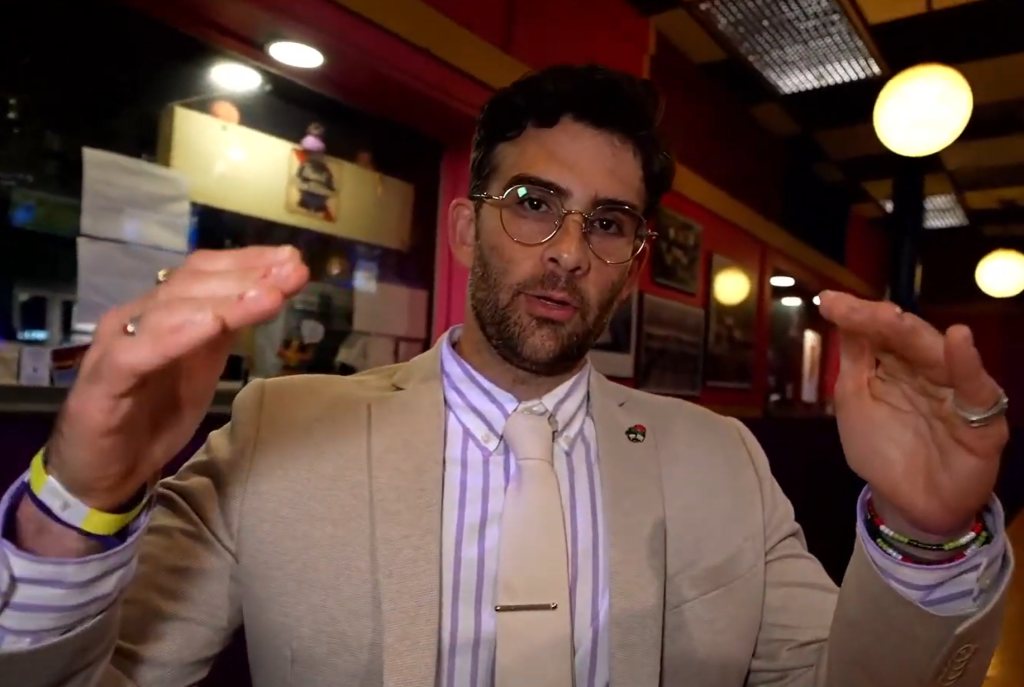
Hasan Piker, a prominent online commentator, acted as a surrogate for El‑Sayed's campaign and appeared with the candidate at two events in April. Following the primary, Piker rejected advice that El‑Sayed should reach out to Stevens supporters, instead directing harsh criticism at them and accusing them of Islamophobia. Piker's language was described as particularly strong, and he has previously made statements suggesting that America deserved the September 11 attacks.
Supporters of Stevens, in turn, have labelled El‑Sayed with a range of insults, including calling him a terrorist. El‑Sayed has sought to distance himself from Piker's more extreme remarks, stating that he does not believe the September 11 attacks were justified and condemning the use of out‑of‑context quotations.
In a recent interview with a national news outlet, El‑Sayed reiterated his rejection of any justification for the attacks and criticised attempts to misrepresent his views. He also noted that he attended an influencer pool party in Detroit shortly before the election, a detail that attracted media attention.
After the primary results were announced, El‑Sayed addressed supporters at a watch party in the early hours of the morning, indicating that the final outcome of the race would take more time to become clear. He expressed concern that some Democrats might either covertly support the Republican candidate or refrain from backing him, potentially undermining the progressive narrative in the state.
The internal dynamics of the Democratic nomination process, which allows voters to select a candidate but can also generate divisions, will be a key factor as El‑Sayed seeks to consolidate support across the party's progressive and moderate wings ahead of the general election.