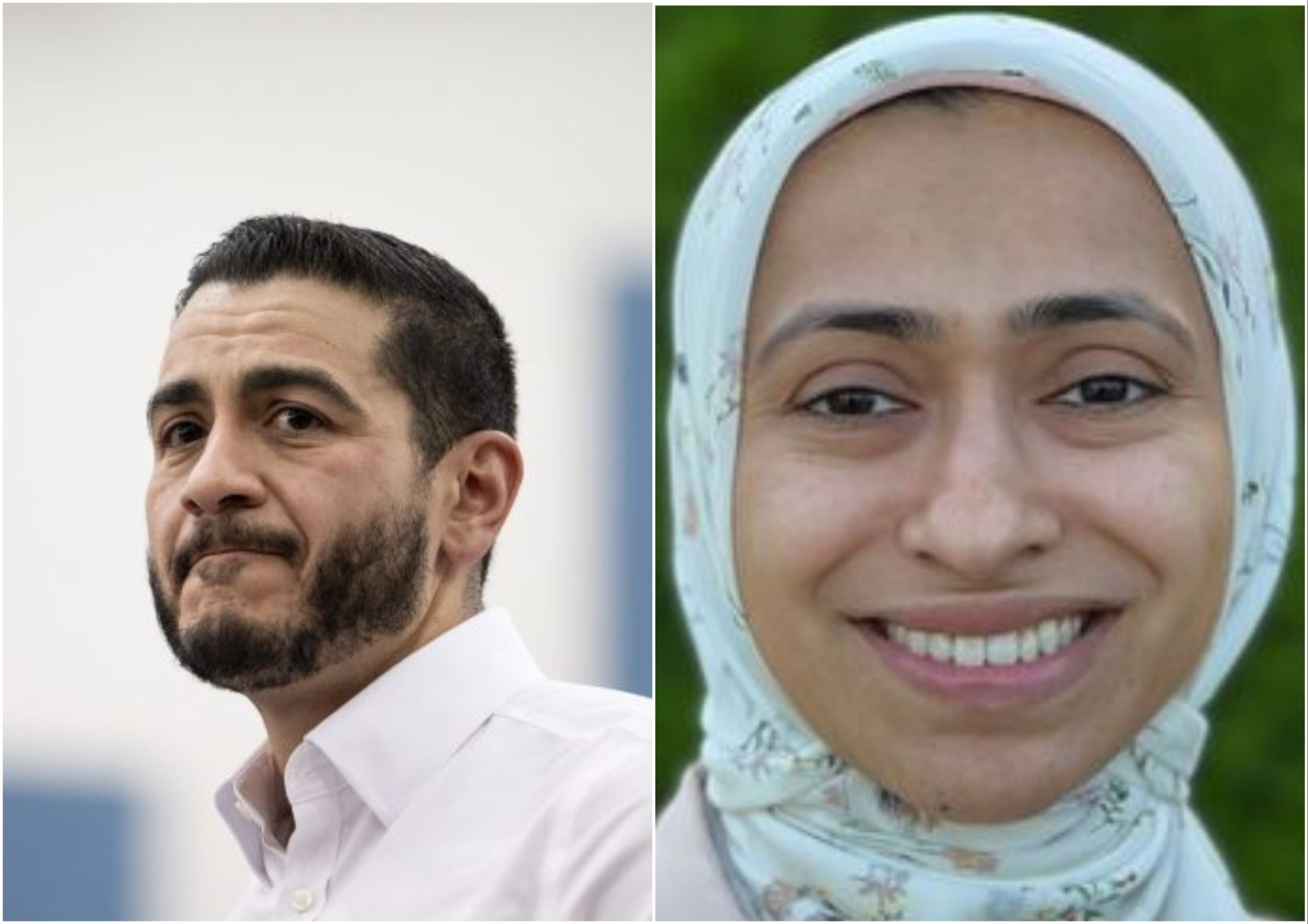
Abdul El‑Sayed, the Democratic candidate for the United States Senate seat from Michigan, has made universal health coverage a central plank of his campaign. He argues that "your healthcare shouldn't depend on who signs your paycheck" and that "we can and must guarantee healthcare from cradle to grave".
However, the candidate’s personal circumstances have drawn criticism from within the progressive camp. His wife, Sarah Jukaku, works as a psychiatrist in private practice and does not accept Medicare or any other form of insurance. A Google preview of her FAQ page once listed a question about insurance acceptance, indicating she does not take insurance; that question has since been removed.
Jukaku holds a medical degree from Columbia University and a master’s degree from the University of Oxford. She previously worked at the University of Michigan Health system, which does accept Medicare, before moving to private practice where she elects not to take the public programme.
Former Democratic adviser Dan Turrentine, who has served on the Democratic National Committee and worked for Hillary Clinton, said the situation is damaging to progressive politics. He warned that "stories like this are 'devastating' for progressives" and added that the contrast between the campaign’s single‑payer message and the private practice’s refusal to accept Medicare "paints the picture of an elite that doesn't really play by the rules they're asking me to play by".
Turrentine compared the case to perceived double standards involving Governor Gavin Newsom and former Speaker Nancy Pelosi during the COVID pandemic, suggesting that similar contradictions could undermine public confidence in the push for a single‑payer system.
El‑Sayed’s campaign continues to promote the view that health care should not be tied to employment and that universal coverage is necessary, while opponents point to his household’s current practice as a potential conflict between rhetoric and personal conduct.