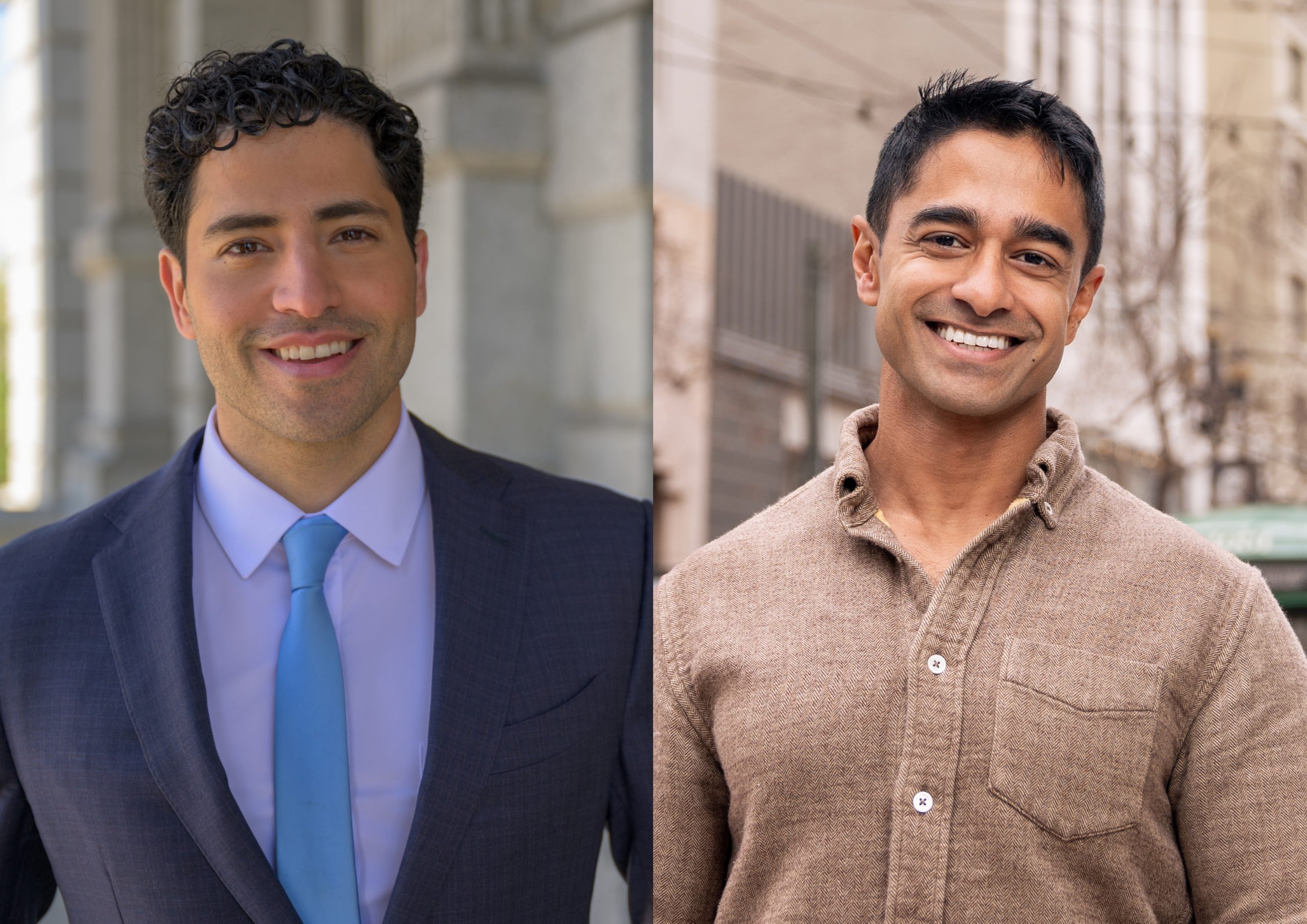
The Trust Brigade super PAC, which launched in 2023, has directed most of its $408,000 war chest toward door‑to‑door canvassing in Colorado's 8th congressional district. The money comes primarily from Ross Boucher, a longtime professional ally of Saikat Chakrabarti, the former chief of staff to Representative Alexandria Ocasio‑Cortez. Boucher contributed more than a third of the PAC's cash and also gave $525,000 to the LGBTQ Connection PAC, a group that in turn donated $60,000 to the Trust Brigade.
Colorado's 8th district is a swing seat that decided the 2024 race by fewer than 2,500 votes. Analysts say the outcome will be one of several districts that determine which party holds the House of Representatives after the 2026 midterms. A Democratic win would add to the party's chances of retaining a majority, while a Republican hold would keep the chamber evenly divided.
Under federal law, a super PAC may raise unlimited contributions from individuals, corporations and unions, but it must operate independently of any candidate's campaign. The Trust Brigade is permitted to coordinate with Manny Rutinel's campaign on voter‑targeting strategies, a practice that has drawn scrutiny from watchdog groups who argue that the line between coordination and independence is often blurred.
Ross Boucher's financial support reflects a broader network of left‑leaning donors. In addition to the Trust Brigade, Boucher has funded the Working Families Party and A Fight Worth Having, an organization that backs progressive challengers to establishment Democrats. He also donated the maximum $7,000 allowed to Chakrabarti's own campaign when the latter ran for a House seat in California earlier this year.
Chakrabarti, a co‑founder of Justice Democrats, has positioned himself as an insurgent voice within the Democratic Party. He has repeatedly criticized party leaders for being too moderate and has spoken about leading a "insurgent sort of takeover" of the party. His two PACs, created to push the party leftward, were the subject of a federal campaign‑finance investigation after allegations that they funneled nearly $1 million in donations into his private businesses.
Manny Rutinel, a state representative, entered the race with a record that includes sponsoring legislation requiring health insurers to cover gender‑affirming care without age limits and supporting a program that provides taxpayer‑funded health care to undocumented pregnant people and children. Earlier in his career, Rutinel wrote blog posts with titles such as "What Would Jesus Do? Socialism" and "Why a More Socialistic Society Is Superior." He has since tried to distance himself from those positions, telling local media that he no longer identifies as a socialist and that his stance on animal agriculture has changed.
The shift in Rutinel's messaging is aimed at voters in a district that relies heavily on ranching and agriculture. Critics argue that his past statements and his association with groups that have advocated for defunding the police and ending ICE operations make it difficult for him to appeal to moderate suburban voters. An event he was slated to attend with an anti‑police organization was cancelled after a request for comment was filed by a conservative outlet.
Beyond funding, the Trust Brigade is leveraging the organizational capacity of groups such as Indivisible, which has offered to pay for protests and training sessions in red‑leaning districts. An upcoming canvassing training organized by the PAC will be promoted by Indivisible and will feature Dave Fleischer, a veteran of deep‑canvassing techniques who has worked with the ACLU of Colorado, Planned Parenthood and the now‑defunct ACORN network.
Super PAC activity in swing districts has grown in recent election cycles as donors seek to influence outcomes without the constraints of campaign‑finance limits. The Federal Election Commission's rules allow a super PAC to coordinate with a campaign only through public information, yet many groups share data through third‑party vendors, raising questions about the effectiveness of the independence requirement.
For American voters, the battle in Colorado's 8th district is a microcosm of the larger fight over the House's balance of power. A Democratic gain would bolster the party's ability to pass legislation on climate policy, health care and immigration, issues that also affect Canadian interests, especially in the context of cross‑border trade and shared environmental concerns. Canadian political observers often watch closely how swing districts in the United States shift, as the resulting policy direction can influence bilateral agreements and joint infrastructure projects.
The Trust Brigade's next steps include expanding its field operation to cover additional precincts and rolling out a series of voter‑education mailers that emphasize Rutinel's recent policy positions. The PAC's schedule also lists a series of town‑hall events where Rutinel will face questions from both progressive activists and moderate constituents. As the 2026 filing deadline approaches, the flow of money into the district is expected to increase, with both parties likely to deploy additional outside groups.
In the coming months, the interplay between super PAC financing, candidate messaging and voter outreach will shape the final shape of the race. Whether Rutinel can successfully rebrand himself while benefitting from a network of left‑leaning donors remains the central question for both Colorado voters and the national parties that view the district as a bellwether for the next congressional cycle.