A video produced by the mayor’s office to promote tenant organising was released this week, featuring Cea Weaver, who holds the position of director of the mayor’s office to protect tenants. The film advocates for squatters’ rights and urges tenant groups to take action against landlords deemed irresponsible, praising tactics such as withholding rent payments.
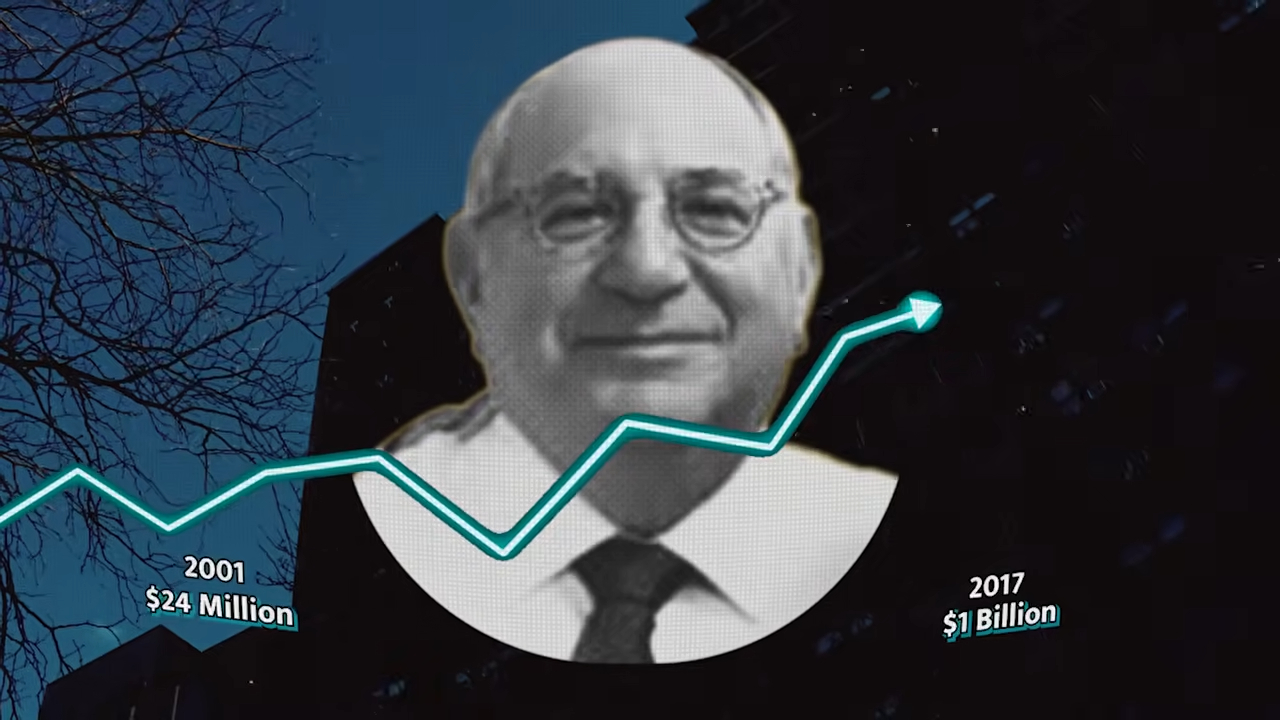
The video also describes a billionaire Jewish landlord, Wiener, in language that has been accused of reinforcing antisemitic stereotypes. An image of Wiener originally used in the film was later corrected and replaced with a different picture.
Weaver’s involvement has attracted renewed scrutiny over a 2018 tweet in which she suggested that impoverishing the white middle class and describing homeownership as racist and a failed public policy. The tweet attracted widespread criticism at the time, with commentators arguing that it targeted a specific racial group.
Narration for the video was provided by actor Morgan Spector, who has faced criticism for his anti‑Israel positions, including a 2025 interview with Rolling Stone in which he criticised prominent politicians for insufficient support for Gaza.
The mayor’s press office did not promptly respond to a request for clarification about a line in the video stating that occupants, rather than leases or deeds, define a home. A spokesperson for Wiener also declined to comment.
Criticism from Housing Advocates
Advocacy group NYC Common Sense argued that using undisclosed public money to produce a video narrated by a documented extremist misplaces priorities. The group also said the film fails to address practical concerns such as street cleaning and public safety.
Critics have cited a 2016 City Journal article reporting that Pinnacle’s properties, owned by Wiener, had fewer violations than the citywide average, suggesting the landlord’s record may not be as problematic as the video implies.
Broader Context of Property‑Seizure Proposals
The video forms part of a wider initiative led by Mamdani, who met Weaver in 2019 at a Jacobin reading group, to confiscate property from landlords deemed irresponsible and transfer ownership to government or nonprofit entities. Some observers describe Mamdani’s plan as radical and untested, while others commend the attempt to address the affordable‑housing crisis but warn of possible effects on property rights and the city’s economy.
Debate continues over the appropriate role of government in the housing market, with some commentators crediting rent‑control regulations for keeping housing affordable, and others arguing that such controls discourage investment and reduce the supply of units.
The city’s economy, driven largely by the financial and technology sectors, continues to fuel strong demand for housing, pushing up rents and home prices. Demographic shifts, including a growing population of immigrants and young professionals, have intensified pressure on an already strained housing market.
High housing costs are making it increasingly difficult for low‑ and moderate‑income households to secure affordable homes, contributing to homelessness and poverty. Analysts expect the discussion about property rights and tenant protections to persist, shaped by economic trends, demographic changes and evolving public opinion.