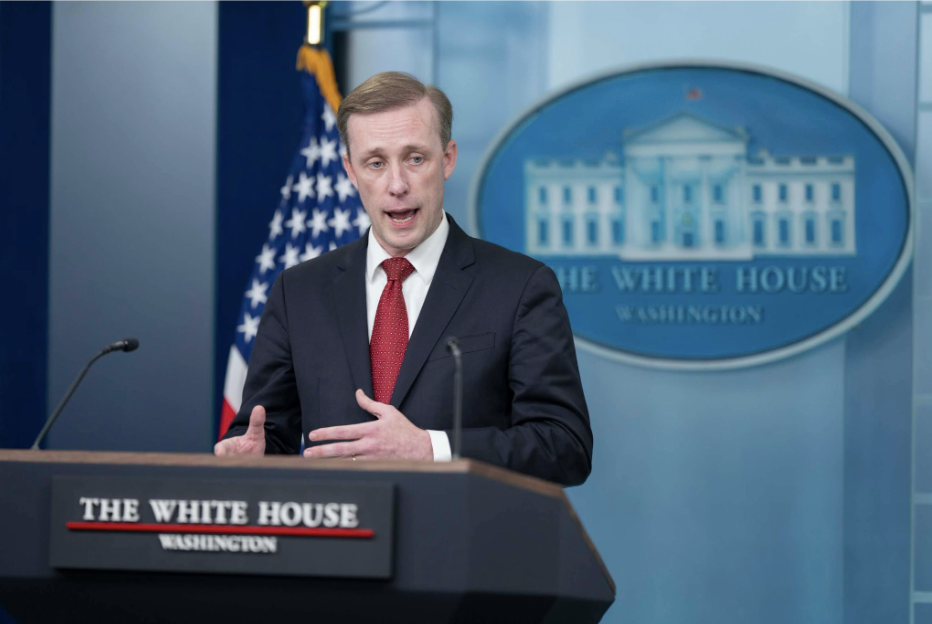
National security adviser Jake Sullivan has revealed that he has been unable to sleep as he reviews the United States’ decisions on the Israel‑Hamas conflict. In an interview with David Kirkpatrick of The New Yorker, published on 27 July 2026, Sullivan said, "I've lain awake many nights thinking about what the U.S. might have done differently." The interview, titled “How Biden Enabled Israel's Aggression Toward Gaza, And Iran”, highlighted internal debates within the administration.
Academic role and professional background
Sullivan holds the Kissinger Professorship of the Practice of Statecraft and World Order at the Harvard Kennedy School, where his profile lists courses on national‑security decision‑making and the geopolitics of artificial intelligence. He also advises the investment firms Morgan Stanley and D.E. Shaw. At 49, his résumé includes a summa cum laude degree from Yale, a Rhodes Scholarship, a clerkship at the Supreme Court and a long tenure in senior White House posts.
Criticism from advocacy groups
The Council on American‑Islamic Relations (CAIR) sent a letter to Harvard in March 2025 urging the university to revoke Sullivan’s appointment, accusing him of “failing up” and of ignoring Palestinian casualties. Unlike some progressive voices, Sullivan has not described Israel’s actions as genocide nor aligned himself with Hamas, setting him apart from figures such as New York Mayor Zohran Mamdani.
Media inquiries and health commentary
The Washington Free Beacon sought comment on the timing and nature of Sullivan’s sleep problems, but his office did not respond immediately. Medical experts note that chronic insomnia can be an early indicator of serious health issues; a recent Washington Post report linked reduced sleep to increased amyloid‑beta accumulation, a marker associated with Alzheimer’s disease.
Policy implications
Analysts suggest that Sullivan’s sleeplessness may stem from the weight of decisions such as maintaining US support for Israel during the Gaza war. One former Pentagon official, speaking anonymously, said, "Communicating clearer red lines to Israel might have eased tensions." The same source warned that forcing concessions could have empowered Iran‑backed groups like Hamas.
Broader Democratic debate
The episode reflects a wider discussion within Democratic foreign‑policy circles about how to balance moral criticism of Israeli actions with strategic interests in the Middle East. Colleagues describe Sullivan as introspective yet pragmatic, avoiding the more overt anti‑Israel rhetoric of peers like Ben Rhodes.
Personal toll and future outlook
While his academic and advisory duties provide little respite, Sullivan’s insomnia has become a symbol of the personal cost of shaping a foreign policy that prioritises counter‑terrorism over immediate humanitarian concerns. Whether his self‑reflection will lead to altered US strategy or further entrench existing approaches remains uncertain.