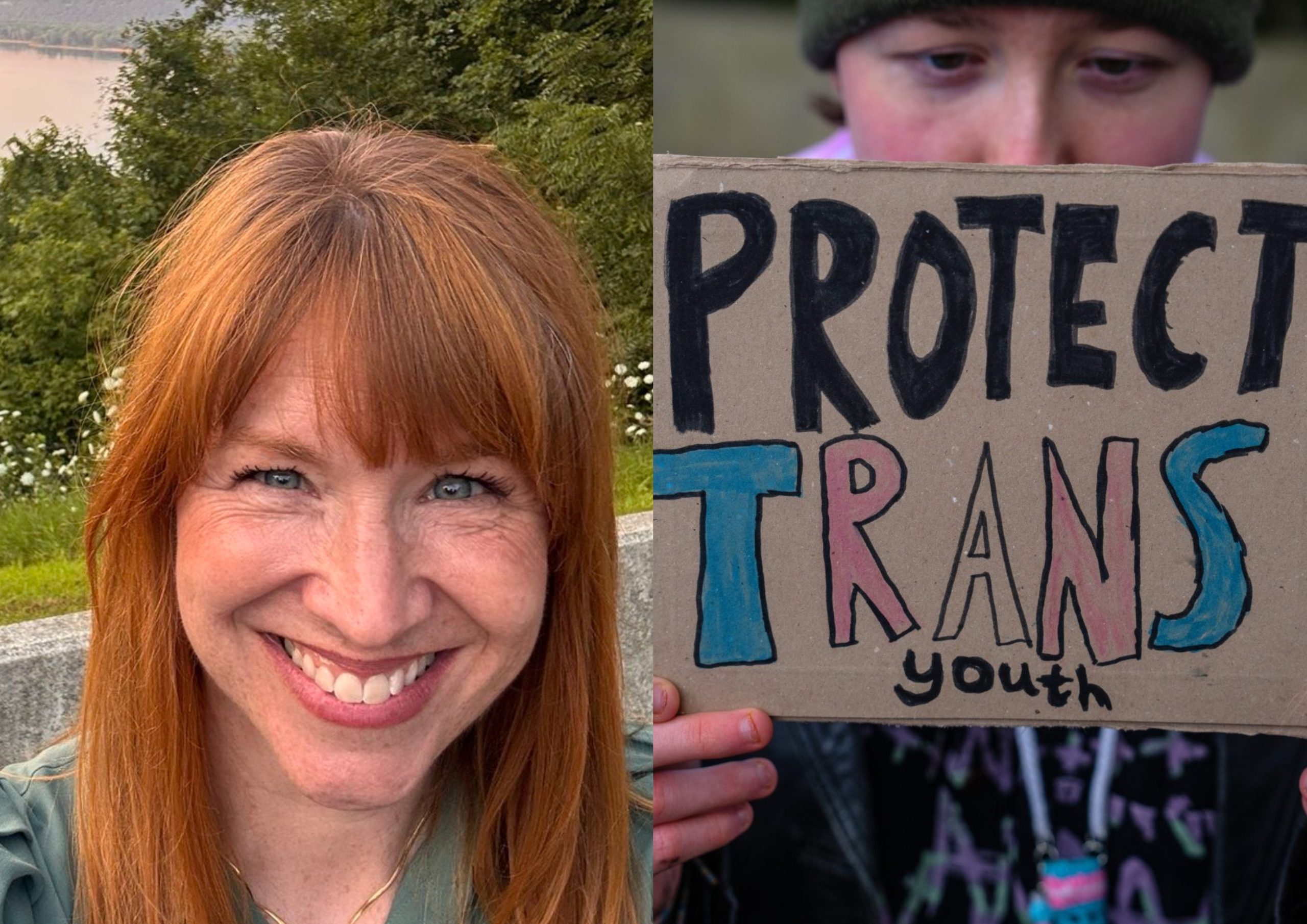
In a televised interview last month, Iowa state representative and Presbyterian minister Lindsay James said that puberty blockers and gender‑affirming surgery for transgender youth are "medically necessary" and can be "lifesaving." James made the remarks while announcing her candidacy for the open seat in Iowa's 2nd Congressional District, a district that Republicans have held for more than a decade.
The comments come as the Iowa legislature, controlled by Republicans, enacted a law in 2023 that bans puberty blockers, hormone therapy and gender transition surgery for anyone under 18. Governor Kim Reynolds signed the measure into law, arguing that the state must protect children from irreversible medical decisions. The law has been challenged in court, but it remains in effect while litigation proceeds.
James, who has served in the Iowa House since 2021, dismissed the Republican bill as a political intrusion into private medical decisions. "Every evidence‑based U.S. medical society affirms that gender‑affirming care is medically necessary and can be lifesaving," she said. "No one wants a politician making private medical decisions that parents and kids should be making with their doctors."
Her stance puts her at odds with the GOP‑backed bill that generated national headlines for Iowa. The legislation passed the Republican‑controlled House and Senate with bipartisan support from a handful of Democrats, then was signed by Reynolds. The law has drawn criticism from civil‑rights groups and several medical associations that argue the ban infringes on the doctor‑patient relationship.
James's position is likely to shape the dynamics of the 2024 race for the 2nd District. The seat will be open because Rep. Ashley Hinson, a Republican, is running for the U.S. Senate. Hinson won her last House race by 16 points, and former President Donald Trump carried the district over President Joe Biden by 10 points in 2020. Nonetheless, Democrats see the district as competitive, especially if they can mobilize suburban voters who are uneasy about cultural issues.
Political analysts note that the gender‑affirming care debate has become a flashpoint in several red‑state races. In Texas, Rep. James Talarico, a Presbyterian seminarian, faced intense scrutiny after comments about non‑binary God and participation in a youth drag show. Talarico voted against a Texas bill that mirrors Iowa's ban, but later clarified that he does not support sex‑change surgery for minors. The contrast between James and Talarico illustrates how candidates in conservative states must navigate a narrow path between party expectations and personal convictions.
Medical experts remain divided on the long‑term effects of puberty blockers. Some peer‑reviewed studies have linked prolonged use to reduced bone mineral density and potential impacts on cognitive development. European medical societies in France, Sweden, Norway and the United Kingdom have issued more cautious guidelines, often limiting gender‑affirming interventions for minors until more data are available. In the United States, major organizations such as the American Academy of Pediatrics and the Endocrine Society continue to endorse puberty blockers as a reversible option for gender‑dysphoric youth.
James's campaign has not responded to requests for comment on how she plans to address the legal challenges to Iowa's ban. Her social‑media posts after the law's passage emphasized a message of inclusion, writing "God loves trans children" and citing the story of a fifth‑grader who came out as transgender. The language aligns her with national LGBTQ advocacy groups, which have pledged support for candidates who champion trans rights.
The upcoming House race will be the first test of whether a pro‑trans candidate can win in a district that voted strongly for Republican presidential candidates in recent cycles. If James can attract moderate Republicans and independents who are uncomfortable with the ban, she could help Democrats narrow the margin needed to take control of the House. Conversely, a strong focus on gender‑affirming care could energize the Republican base, prompting a counter‑campaign that frames the issue as a matter of parental rights and child safety.
Legal battles over the Iowa law are expected to continue through the election. The state's Supreme Court has agreed to hear arguments on whether the ban violates the state constitution's guarantee of equal protection. A ruling in favor of the ban could solidify the Republican position, while a decision that strikes down the law would provide a boost to James and other pro‑trans candidates.
Nationally, the debate over gender‑affirming care for minors has become a wedge issue in the 2024 midterms. Congressional Democrats have introduced legislation to protect access to such care, while House Republicans have filed bills to expand bans. The outcome of the Iowa race may influence how both parties allocate resources to similar contests in other swing districts.
For voters in the 2nd District, the question may come down to how much weight they give to cultural issues versus economic concerns such as agriculture policy, trade and health care. Iowa's economy relies heavily on corn, soybeans and renewable energy, and the district's electorate has historically prioritized policies that affect farm incomes. James has pledged to support federal farm bill reforms and to work on expanding broadband in rural areas, positioning herself as a candidate who can address both policy and cultural priorities.
As the campaign season progresses, both parties will test messaging strategies that either highlight or downplay the gender‑affirming care issue. James's explicit endorsement of puberty blockers and surgery for minors marks a clear departure from the more cautious language used by some Democrats in similar districts. Whether that stance will attract enough cross‑party voters to flip the seat remains to be seen, but it will undoubtedly shape the narrative of the 2024 House battle in Iowa.