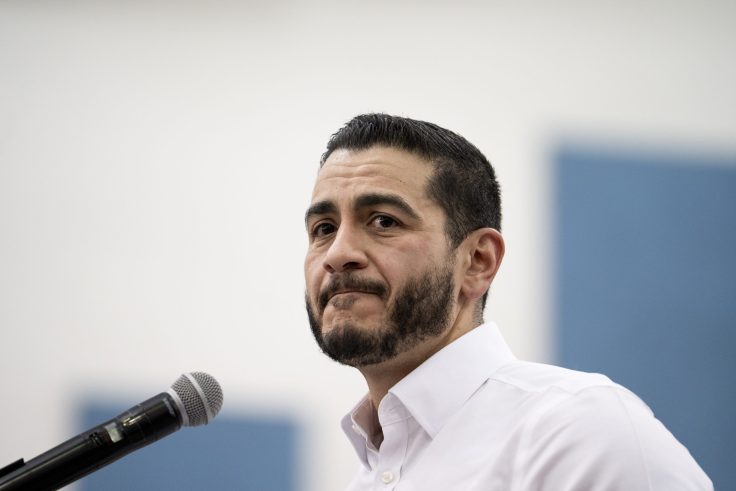
Michigan Democratic Senate candidate Abdul El‑Sayed has drawn attention to research that links post‑9/11 discrimination against Muslims with higher rates of premature births and low birth weight. The claim, made in a 2021 CNN essay published on Fareed Zakaria’s section of the site, rests on a 2006 Demography study of Arab‑American women in California that reported a 34% increase in such outcomes after the attacks.
Contrasting findings from his own work
At the time of the California study, El‑Sayed was an epidemiologist at Columbia University. Two years later he co‑authored a paper in *Ethnicity & Disease* that examined 129,384 births in Michigan between September 2000 and March 2002. The analysis found no difference in premature or low birth‑weight rates among Arab and Muslim mothers before and after 9/11. Arab mothers recorded an 8% premature‑birth rate, compared with 9% for white mothers and 15% for Black mothers.
The Michigan findings directly contradict the earlier California results that El‑Sayed later cited publicly. While the Demography paper attracted headlines such as the Washington Post’s “Babies, Bigotry and 9/11,” the 2008 study received little media coverage.
Academic record and political narrative
El‑Sayed has cited his Michigan research in eight subsequent academic papers, including a 2021 article in the *American Journal of Preventive Medicine*. In his 2020 memoir *Healing Politics*, he described the California study as “stunning” and “blood‑curdling,” saying it inspired his career in epidemiology.
To explain the divergent results, El‑Sayed suggested that Michigan’s Arab and Muslim communities benefitted from “tighter ethnic enclaves” that “shielded them from prejudice.” However, his own 2008 paper warned that the California findings might have been “due to chance alone.”
Campaign context and criticism
El‑Sayed is currently contesting Rep. Haley Stevens in the Democratic primary scheduled for 4 August. He declined to comment when approached for this story.
The episode has intensified scrutiny of his broader political messaging, which has previously included comparisons between the casualties of 9/11 and U.S. military actions abroad. Critics have also highlighted his appearances with left‑wing commentator Hasan Piker, who once said “America deserved 9/11.”