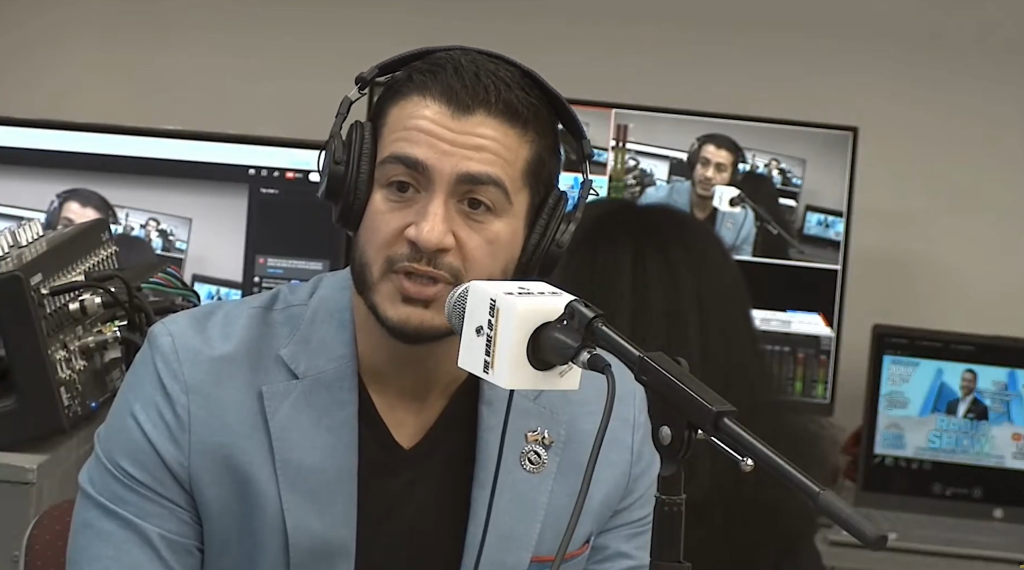
Abdul El‑Sayed’s Senate campaign has transferred a total of $75,000 to the Ecumenical Ministers Alliance, a nonprofit operated by Detroit pastor Horace Sheffield III. The money was paid in ten instalments of $7,500 each, spanning from 21 October to 1 June, and was recorded in campaign‑finance filings as "political consulting".
Endorsements and undisclosed payments
Sheffield, who hosts the radio programme The Wake‑Up Call, has publicly backed El‑Sayed on at least three occasions, urging listeners to call in support of the candidate. He also appeared in a social‑media video filmed at El‑Sayed’s campaign headquarters, declaring confidence that the Democrat would defeat his primary rival, Rep. Haley Stevens.
While the campaign lists Sheffield’s endorsement on its website and El‑Sayed has said he is "deeply honored" to receive the pastor’s support, neither the campaign nor Sheffield has explained the financial link between the nonprofit and the candidate’s operation.
Historical parallels and regulatory concerns
The arrangement mirrors a 2018 episode in which Sheffield was suspended from his former radio station after endorsing gubernatorial candidate Shri Thanedar, who paid Sheffield’s charity tens of thousands of dollars for "consulting" work. That case prompted scrutiny under Federal Communications Commission rules that require equal airtime for all candidates.
Similar concerns have been raised about a 2024 controversy in which then‑president‑elect Donald Trump and Vice‑president‑elect Kamala Harris each paid $500,000 to Al Sharpton’s National Action Network shortly before Sharpton appeared on Sharpton’s MSNBC programme.
Responses and corporate distancing
When asked about the payments, El‑Sayed replied that "you can't buy authenticity". A spokeswoman for Salem Media, the owner of Sheffield’s current station FaithTalk 101.5 FM, said the company "we completely reject the endorsement of Abdul El‑Sayed made during this paid programming" and added that "Pastor Horace Sheffield is not a Salem Media employee and has no affiliation with Salem Media other than purchasing airtime for his independently produced program". Salem Media also noted its support for Senator Mike Rogers and clarified that the views expressed on Sheffield’s show do not represent the company.
Past dealings and unanswered questions
Campaign‑finance records show that in 2018 three Michigan candidates – Kevin Robbins, Tracy Green and Terra Defoe – each paid Sheffield’s nonprofit $750 for "endorsement fees". The extent of any personal income Sheffield derives from the Ecumenical Ministers Alliance remains unclear.
Political implications
El‑Sayed is currently lagging behind Rep. Haley Stevens among Black voters, and the controversy may further erode trust in his campaign’s transparency. As the primary draws nearer, the candidate will need to address the perception that endorsements can be bought and demonstrate a commitment to open campaign finances.