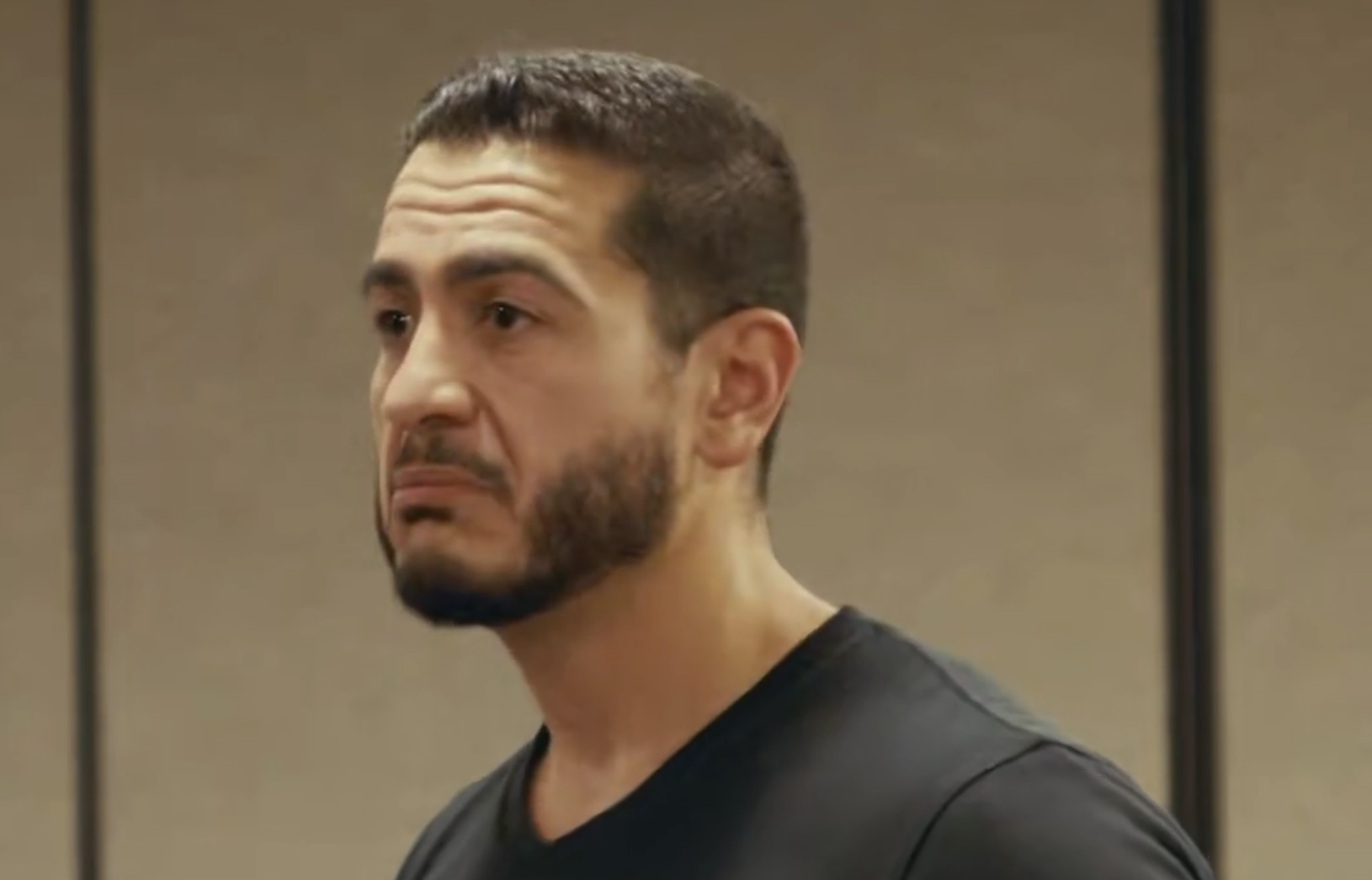
As Black Women’s Equal Pay Day is observed this week, Michigan Senate candidate Abdul El‑Sayed highlighted the disparity faced by Black women in the labour market. He posted on social media that "black women have to work an extra 7 months to earn what white men earn in a year", citing the Economic Policy Institute, and added "Equal work deserves equal pay" with the hashtag #BlackWomensEqualPayDay.
Salary record shows a gap
El‑Sayed was appointed director of Wayne County’s Department of Health, Human and Veterans Services in March 2023 with a base salary of $200,000. Financial filings later revealed total compensation of $278,939 by June 2025. By contrast, his predecessor, Melita Jordan, a Black woman who took the post in May 2021 during the height of the pandemic, earned a starting salary of $180,000. The subsequent director, Kennyle Johnson, also a Black woman and former chief of staff, was hired in November 2025 at the same $180,000 level.
Political ramifications
The pay disparity has become a focal point in the crowded Democratic primary for the U.S. Senate seat. A recent poll indicates that Rep. Haley Stevens (D‑Mich.) leads El‑Sayed by 46 points among Black voters. Stevens enjoys endorsements from the Congressional Black Caucus and Rep. Jim Clyburn (D‑S.C.). El‑Sayed’s support base includes Michigan’s Arab‑American community and national progressives such as Sen. Bernie Sanders (I‑Vt.) and Rep. Alexandria Ocasio‑Cortez (D‑N.Y.).
Controversies and past allegations
During the campaign, El‑Sayed was accused of misogynistic language after describing Rep. Stevens as unable to articulate coherent sentences, before urging his supporters to stop personal attacks. In 2019, eight former colleagues at a New York City medical school filed a lawsuit alleging that El‑Sayed refused to work with anyone over 40, a claim reported by the Washington Free Beacon.
Both El‑Sayed’s campaign and the Wayne County Health Department declined to comment when approached for a response. This story was first reported by a wire report.