In the aftermath of the 2020 US presidential election, a letter signed by 51 former senior officials of the US intelligence community warned that emails recovered from Hunter Biden’s laptop bore "all the classic earmarks of a Russian information operation." Subsequent verification proved the laptop’s contents to be authentic, prompting renewed scrutiny of the signatories’ motives and credibility.
Inside the new handbook on Russian espionage
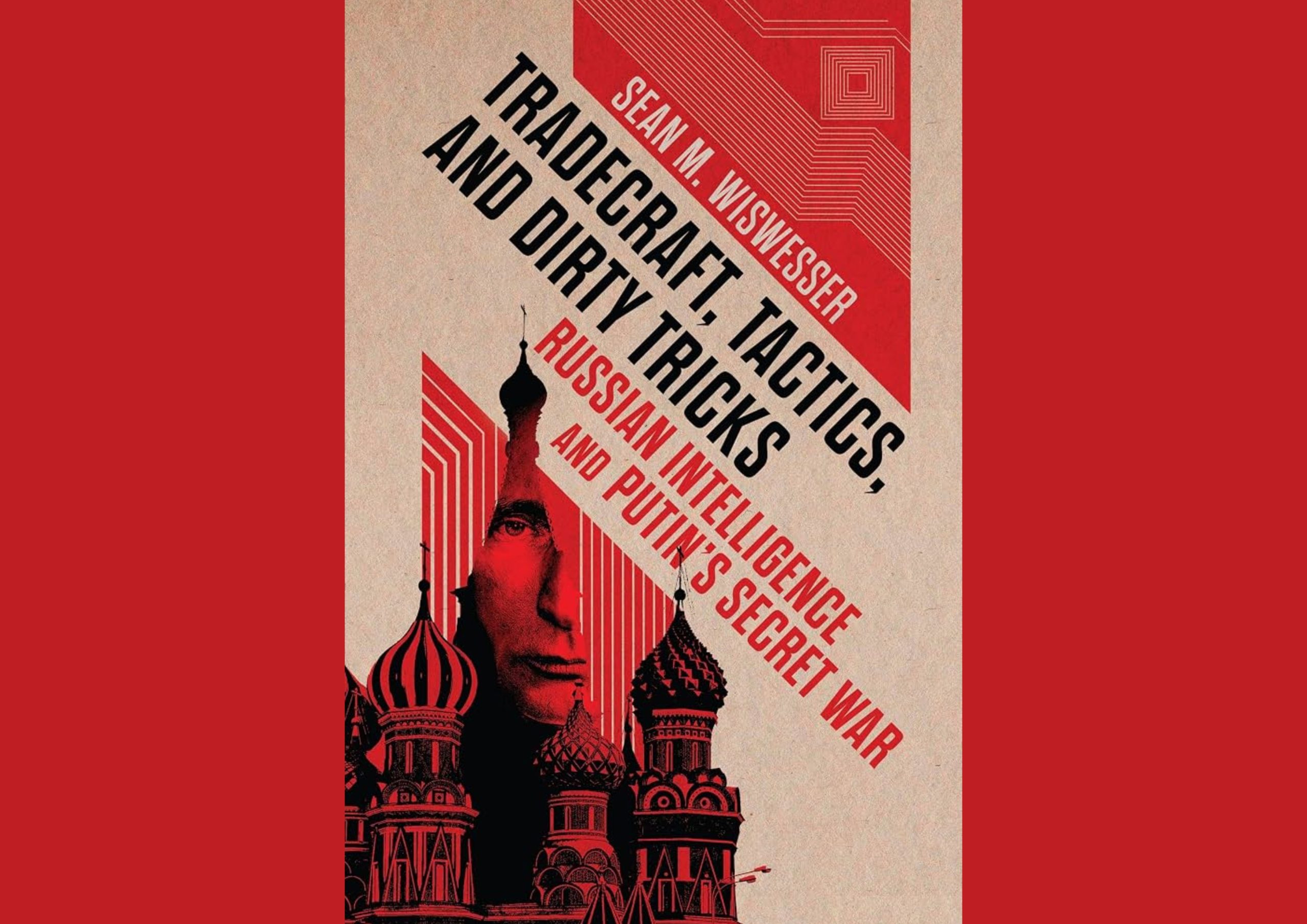
Retired CIA officer Sean Wiswesser, who spent three decades specialising in Russia, has published Tradecraft, Tactics, and Dirty Tricks: Russian Intelligence and Putin’s Secret War. The volume is positioned as a reference handbook rather than a spy thriller, offering a systematic overview of Russian intelligence activities from the Cold War era to the present day.
Wiswesser draws on his own experience to describe the training, methods and objectives of the Russian services. He argues that Russian intelligence has been at the forefront of what its strategists term a “non‑contact war” against the United States and the wider West, relying on covert capabilities to achieve political and strategic goals.
Putin’s reliance on the spy machine
Vladimir Putin, a 16‑year veteran of the KGB and later head of its successor agency, is portrayed as a leader who publicly admires Russian intelligence personnel and depends heavily on their insights. This dependence, Wiswesser notes, contributed to strategic blunders such as the 2022 invasion of Ukraine, which was launched on the basis of flawed intelligence and unrealistic expectations.
Strengths, flaws and opportunities
The handbook balances praise for the Russian services’ formidable capabilities with a candid assessment of their systemic weaknesses. Corruption, arrogance and undisciplined tradecraft are identified as recurring problems that create openings for US agencies to counter operations and to recruit defectors.
Wiswesser’s analysis underscores that, despite these vulnerabilities, Russian intelligence remains a potent threat. He stresses the importance of informing the public about the covert war waged by Russian agencies and their government against the West.
US and allied responses
The United States’ intelligence community – comprising the CIA, FBI and NSA – has a long history of confronting Russian espionage, dating back to the Cold War. Russian operatives continue to adapt, employing sophisticated technologies, fabricated identities and elaborate cover stories to blend into target societies.
A notable success came in 2018 when the US Department of Justice indicted 13 Russian nationals and three Russian companies for interference in the 2016 presidential election. The indictments exposed a network of covert activities and dealt a significant blow to Moscow’s influence‑peddling efforts.
Implications for North America
For readers in the United States and Canada, the book’s findings highlight the need for sustained investment in intelligence gathering, analysis and international cooperation. Awareness of Russian tactics – from disinformation to espionage – is presented as a prerequisite for protecting national security.
Wiswesser’s work, while firmly rooted in his loyalty to his former employer and country, serves as a reminder that the undeclared conflict between Western democracies and Russian intelligence services is ongoing. The handbook is positioned as a valuable resource for anyone seeking a nuanced understanding of espionage, its historical evolution and its present‑day challenges.
Conclusion
“Tradecraft, Tactics, and Dirty Tricks” adds depth to the debate over US‑Russia relations and the role of intelligence in international affairs. By mapping both the capabilities and the shortcomings of Russian spy services, Wiswesser argues for continued vigilance, stronger cooperation among allied agencies and an informed public as the best defences against an ever‑evolving threat.