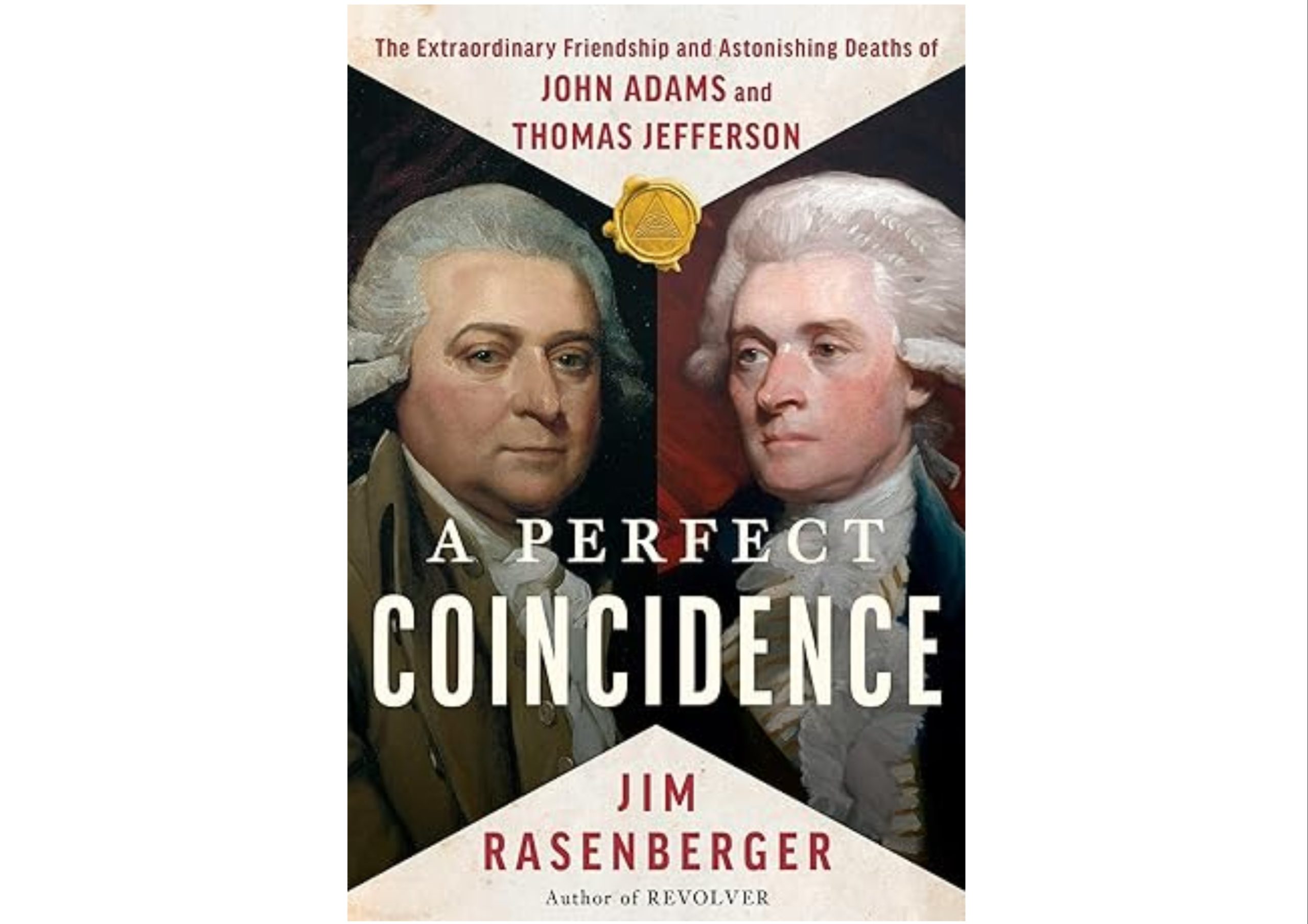
In a recent examination of the founders’ relationship, the author shows that the tension between John Adams’s pragmatic realism and Thomas Jefferson’s romantic idealism was central to the early United States. The book, first reported by Rasenberger, frames this clash as essential to the country’s development.
Contrasting Views on Revolution and Art
In December 1818 the former president, now frail and with failing eyesight, stood before John Trumbull’s monumental canvas of the Declaration signing in Boston’s Faneuil Hall. While he publicly praised the work, his private letters reveal a more skeptical stance. Adams argued that a faithful picture would have to depict "legislative debates so prosaic they likely wouldn't have inspired anyone to pick up a brush." He believed that the messy, prosaic nature of revolutionary politics could not be captured by grand artistic gestures.
Jefferson, by contrast, treated the founding documents as almost sacred. During the upheaval of the French Revolution in 1789 he wrote to James Madison that Europeans regarded America’s charter "like that of the Bible, open to explanation but not to question." This reverence underpinned his belief in the transformative power of the nation’s ideals.
Philosophical Foundations
Adams’s outlook was heavily influenced by Niccolò Machiavelli. He quoted the Italian thinker: "whoever would found a state … must presume that all men are bad by nature." For Adams, government required practical mechanisms and an acceptance of human imperfection.
Jefferson, on the other hand, held an optimistic view of human nature. He asserted that minds were "perfectible to a degree of which we cannot yet form any conception," a belief that drove his advocacy for radical reform, including the startling proposal that the Constitution should be allowed to lapse every nineteen years – an idea that astonished James Madison, the Constitution’s chief architect.
Personal Bonds and Shared Destiny
Despite their disagreements, the two men maintained a prolific correspondence that reveals a deep, if uneasy, friendship. Both died on 4 July 1826, the fiftieth anniversary of the Declaration of Independence, a coincidence that contemporary observers interpreted as divine endorsement of the founders’ work. The author notes that this interpretation was shaped by the heightened religious sentiment of the era, but the book focuses more on the private convictions expressed in their letters.
Adams repeatedly warned that miracles would not intervene on behalf of the new republic, insisting that "If we will have government, we must use human and natural means." Jefferson’s soaring rhetoric, exemplified by the Declaration’s claim of "self‑evident" truths, provided the inspirational language that rallied the public.
Enduring Influence
As the United States approaches its 250th anniversary, the divergent legacies of Adams and Jefferson remain evident. Jefferson’s lofty prose continues to shape national mythology, while Adams’s sober realism underlies the practical workings of government. The study concludes that neither vision could have succeeded without the other: Jefferson’s idealism required Adams’s grounding, and Adams’s realism was given purpose by Jefferson’s aspirations.