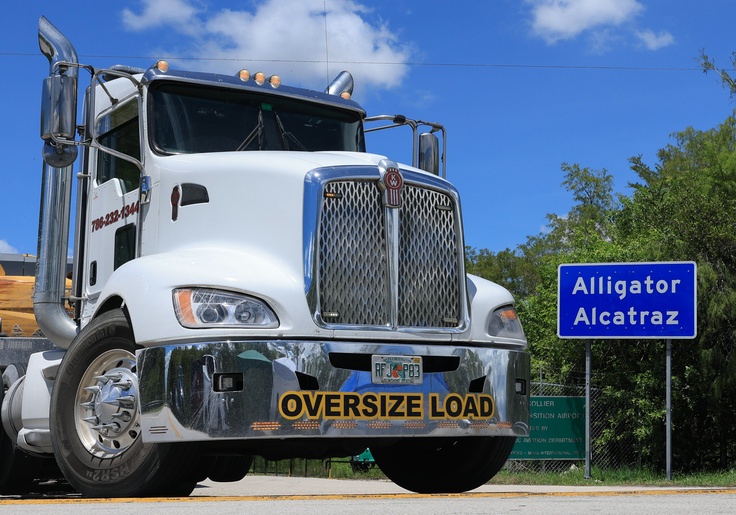
A federal judge has halted construction of the controversial "Alligator Alcatraz" migrant detention center, citing irreversible environmental harm to endangered species, despite the facility occupying less than 0.001 percent of the surrounding national preserve. Judge Kathleen Williams, appointed by former President Barack Obama in 2011, ruled the facility "creates irreparable harm in the form of habitat loss and increased mortality to endangered species in the area." She barred new migrants from being held there and ordered the removal of some equipment.
A Facility on the Fringe of a Vast Preserve
The detention center, built on a repurposed airport runway within the Big Cypress National Preserve, spans 158,000 square feet, a sliver of the preserve's 32 billion-square-foot expanse. For context, the footprint is comparable to the space occupied by home plate and the pitcher's mound at a Major League Baseball stadium. Environmental advocates argue that even this small footprint disrupts critical ecosystems within one of Florida's most ecologically sensitive regions.
Department of Homeland Security assistant secretary Tricia McLaughlin criticized the ruling, calling it an overreach by an "activist judge." "This land has been developed for decades," she said, defending the project as necessary to address rising immigration enforcement demands. "The administration is committed to removing dangerous individuals, including gang members and terrorists, from our communities."
Environmental and Legal Battles Intensify
The Trump administration began constructing the facility in June to accommodate a surge in detentions by Immigration and Customs Enforcement (ICE). Environmental groups, including the Friends of the Everglades and the Center for Biological Diversity, swiftly sued, alleging violations of the National Environmental Policy Act. They highlighted risks to species such as the eastern black rail, a secretive bird disrupted by artificial lighting, and the bonneted bat, whose echolocation could be impaired by noise pollution. The wood stork and Florida panther, both protected under federal law, were also cited as vulnerable to the project's impacts.
Judge Williams has previously clashed with immigration enforcement efforts. In April, she temporarily blocked a Florida law restricting the entry of undocumented immigrants. The following month, she held state Attorney General James Uthmeier in civil contempt for defying her order. Williams did not respond to requests for comment on the latest ruling.