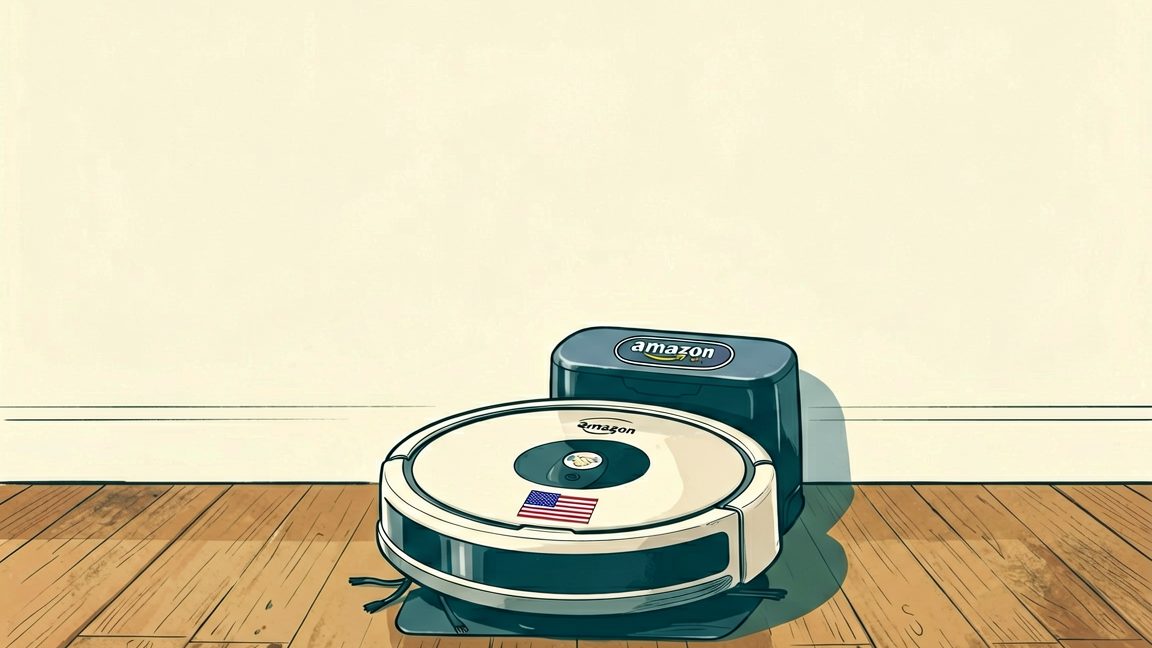
The effort by Senator Elizabeth Warren and former FTC chair Lina Khan to stop Amazon’s bid for iRobot has unintentionally paved the way for the robot‑vacuum maker’s assets to be bought by a Chinese company, prompting fresh worries about data security and American jobs.
Background to the block
Warren, Khan and a coalition of anti‑Big‑Tech groups argued that Amazon would gain an unfair market edge and could turn iRobot’s devices into a surveillance platform. They warned the retailer would acquire “eyes and ears” inside consumers’ homes, a claim that helped secure the regulatory intervention.
Bankruptcy plan and sale to Picea Robotics
Founded in 1990 by MIT scientists, iRobot announced a bankruptcy restructuring this week. The plan calls for the sale of all its assets – hardware, software and the data collected by its household robots – to Picea Robotics, a firm based in China, for $190 million. The transaction follows a lay‑off of 350 staff at the company’s Bedford, Massachusetts plant last year.
Reaction from the founders
Co‑founder Helen Greiner expressed disappointment that the technology and data would move to a Chinese owner, noting there has been "hardly any outcry" about the possible risks.
Political fallout
The European Commission opened its own probe into the Amazon‑iRobot proposal, citing competition and privacy concerns. In the United States, some critics argue that the block has cost American jobs and handed valuable technology to a foreign entity. House Republicans have launched an inquiry into whether the Biden‑led FTC coordinated with the European Commission to thwart the merger, suggesting the agency may have favoured foreign interests over domestic ones.
Security and privacy implications
iRobot’s vacuum cleaners routinely map interior spaces and transmit that information to the cloud. Transferring such data to a Chinese company raises the spectre of surveillance and potential breaches, especially given the US government’s longstanding criticism of China’s own monitoring practices. Senator Warren has previously warned that "China is stealing our technology," a sentiment that now appears relevant to the iRobot sale.
Balancing competing priorities
The episode underscores the difficult trade‑offs facing US policymakers: protecting competition and consumer privacy on one hand, while safeguarding national security and preserving domestic employment on the other. As regulators continue to grapple with the fast‑moving tech sector, the iRobot case may serve as a cautionary tale about unintended consequences of intervention.