Simon & Schuster announced on Tuesday that it will publish the next book by Susan Abulhawa, a writer whose social‑media posts have repeatedly used slurs such as "ghouls," "demons" and "roaches" to describe Jews. The novel, titled The Sun Still Kisses Me, is slated for release in 2027 as part of a three‑book agreement that also includes reissues of two earlier titles through the company's Atria imprint.
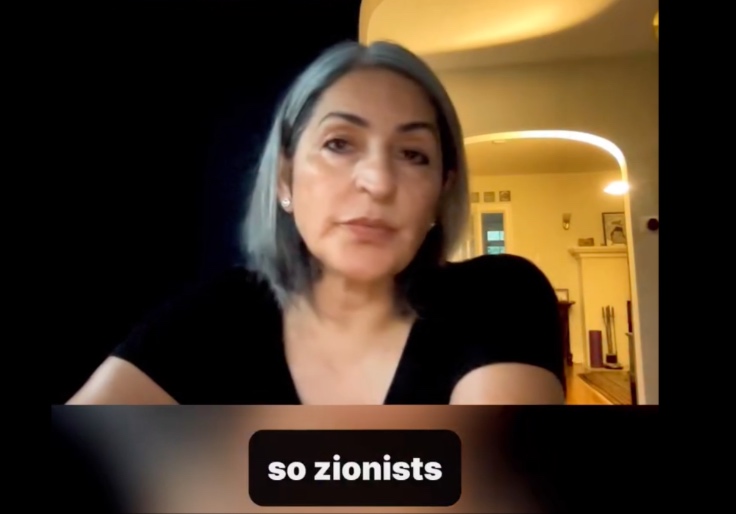
In a video posted to her X account, Abulhawa declared that "the Zionists have missed or don't know, but Simon & Schuster will also be publishing my new novel." She added that pre‑order proceeds would be donated to the Palestinian Youth Movement, an organization the Israeli government says works with the U.S.‑designated terrorist group Samidoun and has "close ties" to the Popular Front for the Liberation of Palestine, a claim cited by Senator Tom Cotton's office.
The Anti‑Defamation League (ADL) responded immediately, calling Abulhawa "an unabashed antisemite who traffics in antisemitic tropes and glorifies terrorism." ADL chief Jonathan Greenblatt posted on X that the deal "gets a book deal" for an author whose rhetoric "is patently unacceptable," and warned that Jewish writers face growing pressure to be silenced.
Abulhawa's online record includes a September 2025 X post in which she described Jews as "cultureless, rootless human aberration" and later labeled a critic a "lying Jewish supremacist cockroach." In November of the same year she called Israelis "demonic parasites" and urged the dismantling of Israel, adding that "we will have our revenge someday." She has also praised the Oct. 7, 2023 Hamas attack as "a spectacular moment" and described the militants as "honorable" and "brave."
Beyond the social‑media tirade, the author has expressed admiration for Kozo Okamoto, the last survivor of the 1972 Lod Airport massacre, posting a tribute on July 25 that praised his "solidarity and love of the people." The tribute appeared after her publishing deal with Simon & Schuster was announced.
Simon & Schuster's decision has ignited a revolt among some of its own authors. Investigative reporter Gerald Posner wrote in the Free Press that he will not publish with the house if it continues to support Abulhawa, stating, "If it stands by Abulhawa's noxious views, I will sadly look for another publisher." Posner's warning reflects a broader concern that the company's brand could be tarnished by association with extremist speech.
Jonathan Karp, who heads the Simon Six imprint and formerly served as the firm's CEO, issued a brief statement saying the company "unequivocally opposes antisemitism, racism and all forms of bigotry." Current CEO Greg Greeley declined to comment. A Simon & Schuster spokesperson reiterated that the upcoming novel is part of the existing three‑book contract but offered no further details.
The controversy revives a longstanding debate over the responsibilities of private publishers in the United States. While the First Amendment bars government censorship of speech, private firms retain the right to choose which authors they support. Critics argue that publishing platforms can amplify hate speech, whereas defenders claim that market forces and public criticism are sufficient checks.
In recent years, major houses have faced similar dilemmas. In 2020, a leading publisher dropped a contract with a far‑right commentator after a wave of protests, and in 2021 a literary imprint severed ties with a writer accused of transphobic remarks. Those cases illustrate the fine line publishers walk between protecting free expression and preserving corporate reputation.
For American and Canadian readers, the episode raises questions about how cultural institutions respond to extremist rhetoric. In Canada, the Canadian Human Rights Commission has the authority to investigate hate‑speech violations, though it rarely intervenes in private publishing decisions. The Canadian publishing sector has also grappled with calls to boycott authors who espouse antisemitic views, most recently in the wake of a controversy involving a Quebec‑based press.
Industry analysts note that the financial stakes could be significant. Simon & Schuster's Atria imprint has a strong track record of selling titles that explore Middle‑East conflicts, and the company may anticipate robust sales from a readership that supports pro‑Palestinian narratives. However, the backlash could also trigger boycotts from bookstores, literary festivals and readers who oppose the author's language.
Political observers point out that the episode may have ramifications beyond the literary world. Senator Tom Cotton's office, which flagged the Palestinian Youth Movement's links to designated terrorist groups, could use the controversy to argue for stricter oversight of charitable donations tied to extremist causes. Meanwhile, advocacy groups on both sides of the Israel‑Palestine debate are likely to mobilize their bases, potentially influencing future policy discussions on hate‑speech regulation.
As the publishing schedule moves forward, the next steps will involve the rollout of pre‑order campaigns, marketing materials and the eventual release of the novel. If the book reaches shelves, it will join a growing catalog of works that test the boundaries of acceptable discourse in the marketplace. The outcome may serve as a barometer for how far mainstream publishers are willing to go when an author's political views clash with widely held standards of civil discourse.